
Jul 23, 2026 · 26 min
DBT offers practical tools for surviving emotional overload
What to do when you're too upset to think straight
When intense emotion narrows judgment, distress-tolerance skills can lower arousal and create room to respond without worsening the situation.
- 1TIP skills use temperature change, exercise, and regulated breathing or relaxation to quickly lower emotional arousal.
- 2IMPROVE offers seven ways to make an unsolvable moment more bearable, from imagery and meaning to self-encouragement.
- 3DBT distinguishes willingness from willfulness and uses posture, including willing hands and a half-smile, to support acceptance.
Don't miss
Shireen Rizvi explains how willing hands and a half-smile can communicate acceptance to the brain and help reduce distress.
The brief
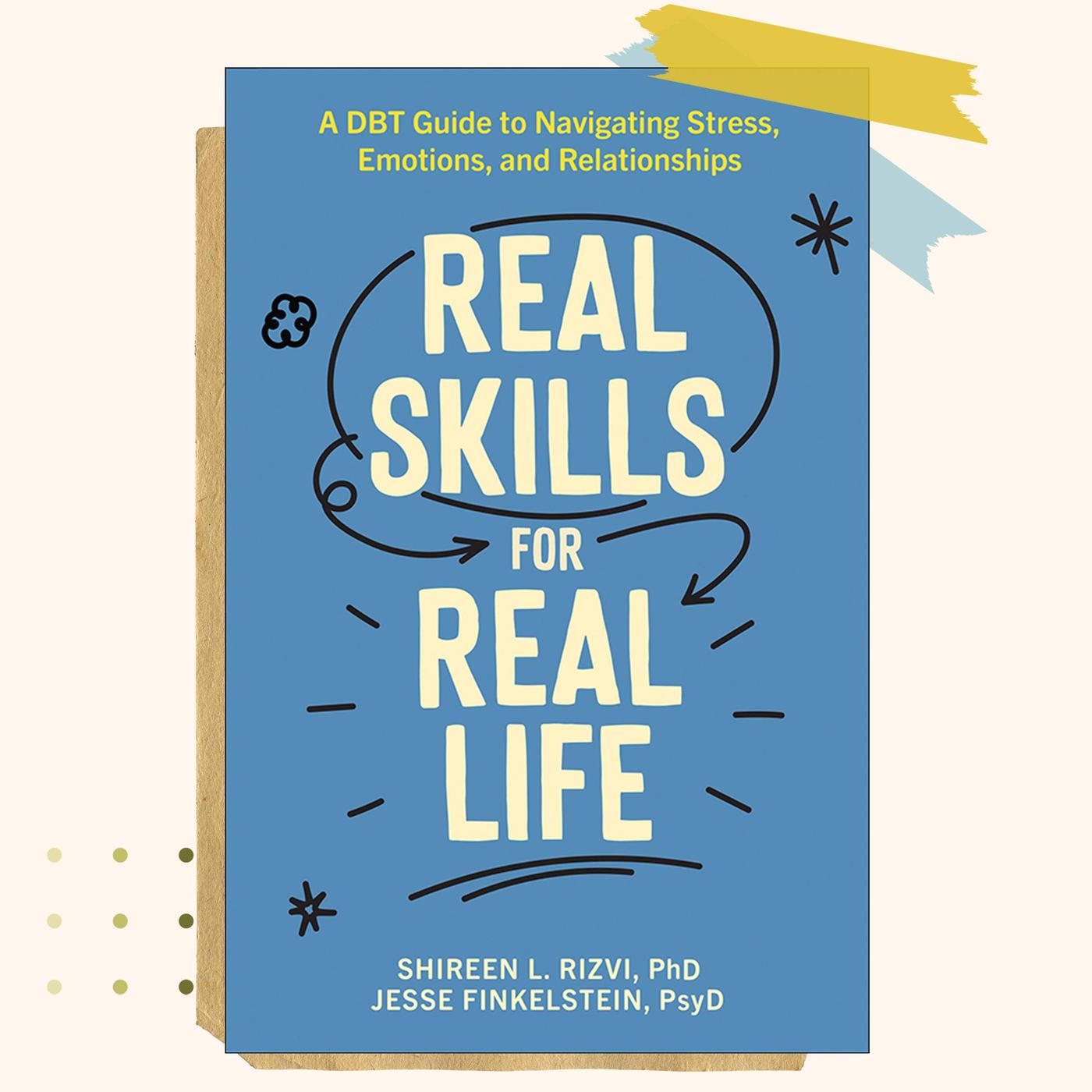
Clinical psychologist Shireen Rizvi joins host Marielle Segarra to frame distress as inevitable—and DBT as a way to tolerate painful moments without trying to erase them instantly.
The TIP skills target the body first: changing temperature, exercising intensely, and using paced breathing or progressive muscle relaxation can reduce emotional arousal quickly.
When a problem cannot be solved immediately, the IMPROVE acronym offers seven ways to make the moment more bearable, including imagery, meaning, prayer, and self-encouragement.
Rizvi’s distinction between willingness and willfulness shifts the goal from fighting reality to accepting it, with willing hands and a half-smile reinforcing that stance physically.
The episode’s practical argument is modest but consequential: lowering arousal can restore enough clarity to face a painful situation without making it worse.
Featuring
 Dialectical behavior therapy
 TIP Skills
 IMPROVE
 Distress tolerance
Books & mentions

Listen to the full episode and explore every guest, topic, and moment on PodLume.