
Aug 25, 2026 · 1h 14m
Menopause care still lags behind women’s lived experience
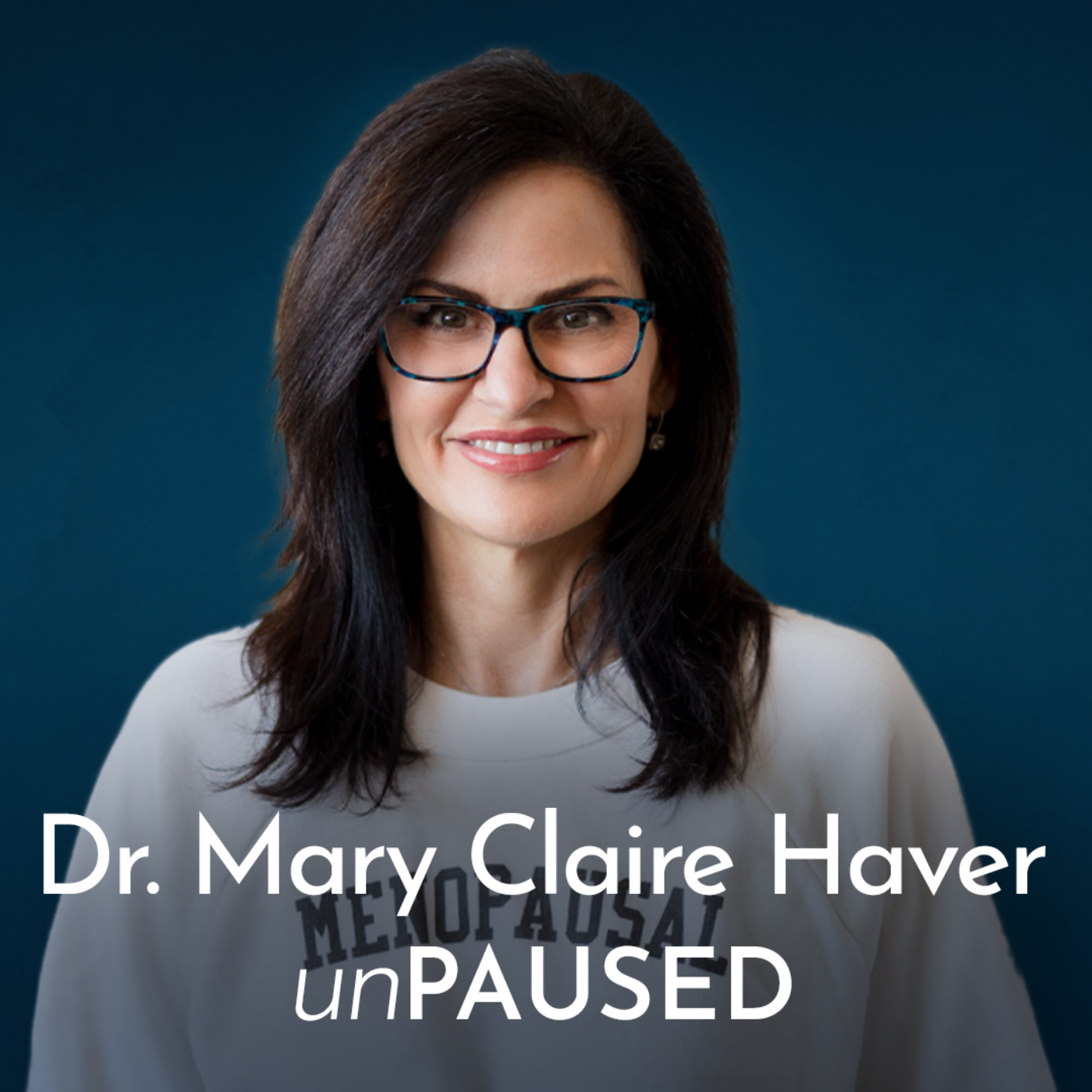
Dr. Mary Claire Haver on Menopause: Recorded Live from LA with Dr. Rena Malik
The conversation connects perimenopause symptoms to brain, cardiovascular, sexual, and bone health while examining why informed treatment remains difficult to access.
- 1Perimenopause is a prolonged biological transition whose hormonal fluctuations can affect mood, cognition, metabolism, and sleep.
- 2Hormone-therapy fears reflect outdated interpretations and limited clinician training, making informed evaluation and individualized care essential.
- 3Bone, sexual, cardiovascular, and vulvovaginal health require proactive strategies rather than treating menopause as an isolated symptom problem.
Don't miss
Haver explains how the Women’s Health Initiative and its public interpretation helped turn hormone therapy into a source of fear, despite newer menopause-focused guidance.
The brief
Recorded live in Los Angeles, Mary Claire Haver and Rena Malik frame perimenopause as a complex biological transition—not a simple decline—and ask why medicine has overlooked it for so long.
They connect fluctuating hormones to mood changes, anxiety, sleep disruption, brain fog, inflammation, metabolism, and vascular health, challenging the habit of dismissing symptoms as stress.
The discussion revisits the Women’s Health Initiative and the media-driven fear surrounding hormone therapy, then contrasts older blanket cautions with modern menopause-focused guidance.
Sexual and vulvovaginal health receive equal weight: pain, desire, local estrogen, testosterone, urinary symptoms, and relationship factors all belong in a comprehensive clinical conversation.
The practical through-line is self-advocacy: seek dedicated appointments and informed clinicians, evaluate symptoms in context, and build strength, nutrition, and bone-health habits before midlife.
Featuring
 Mary Claire Haver
Mentioned
 The New Perimenopause
 National Institutes of Health
 Estrogen Matters
Books & mentions
Listen to the full episode and explore every guest, topic, and moment on PodLume.