
Sep 29, 2026 · 23 min
Retailers use personal data to estimate what shoppers will pay
Worried you’re being overcharged when shopping online? Listen to this
Personalized pricing can make everyday purchases less transparent, but shoppers can reduce the data signals retailers use.
- 1Retailers may use browsing behavior, location, purchase history, and timing to estimate an individual shopper’s willingness to pay.
- 2Instacart and Eversight tested different prices on shoppers, showing how difficult hidden pricing experiments are to detect.
- 3Comparing logged-in and logged-out prices, clearing cookies, limiting tracking, and avoiding unnecessary apps can reduce exposure.
Don't miss
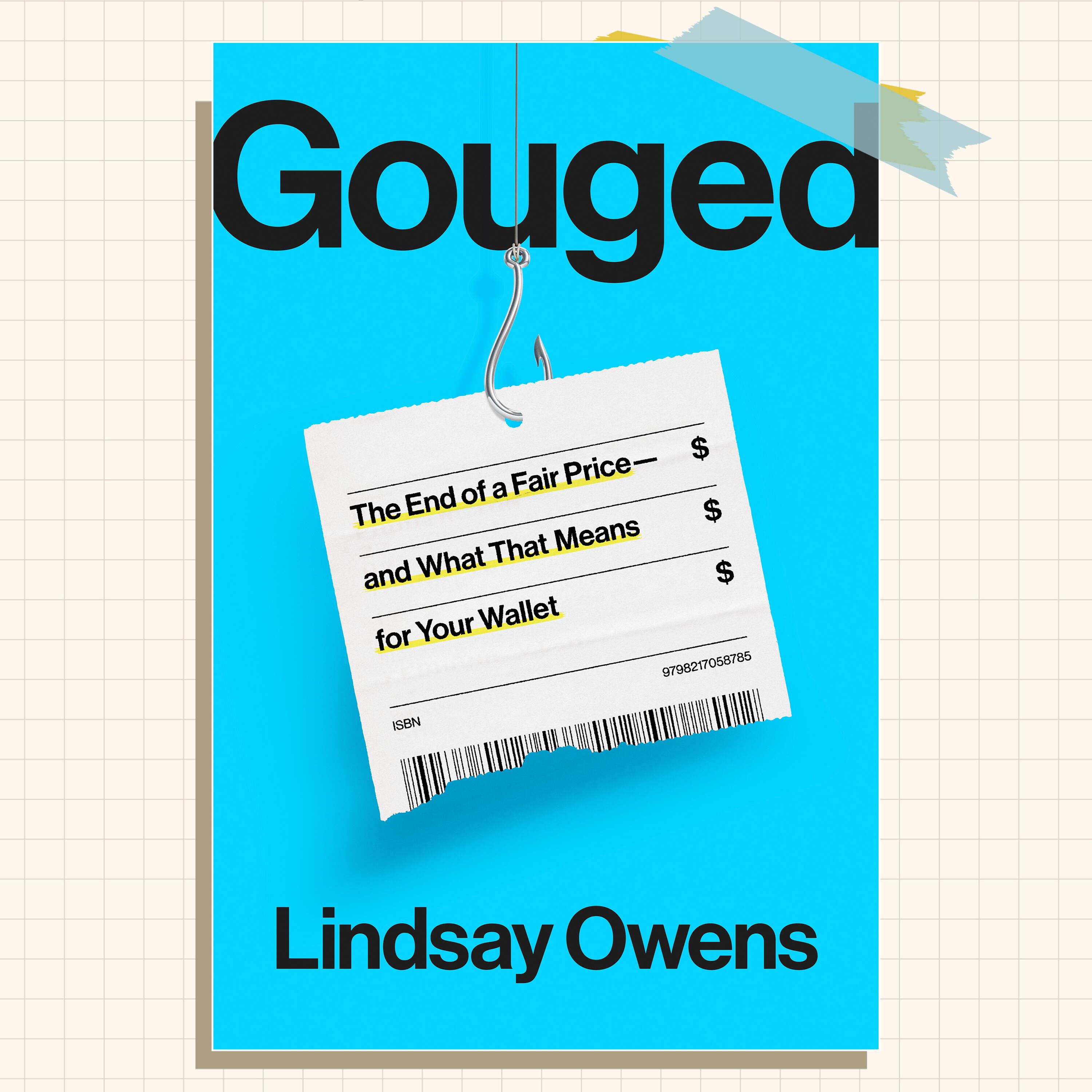
Lindsay Owens explains how she and her husband compare prices across their separate shopping setups, even when it makes purchases take longer.
The brief
Technology has turned familiar pricing tactics into individualized experiments, using browsing behavior, location, timing, and purchase history to estimate what each shopper might pay.
Lindsay Owens distinguishes ordinary dynamic pricing from surveillance pricing, where companies use personal data to test or tailor prices without shoppers knowing.
The episode’s practical advice is deliberately low-tech: avoid unnecessary logins and apps, clear cookies, limit location tracking, and compare prices across devices and accounts.
The hosts also test the limits of escape: small local shops may use fewer pricing systems, while large stores can deploy electronic shelf labels and other unpredictable tools.
Owens describes comparing prices with her husband as a household habit, accepting slower purchases in exchange for a clearer sense of whether the price is personal.
Featuring
 Lindsay Alexandra Owens
 FIFA
FIFABooks & mentions
Listen to the full episode and explore every guest, topic, and moment on PodLume.