
Sep 1, 2026 · 42 min
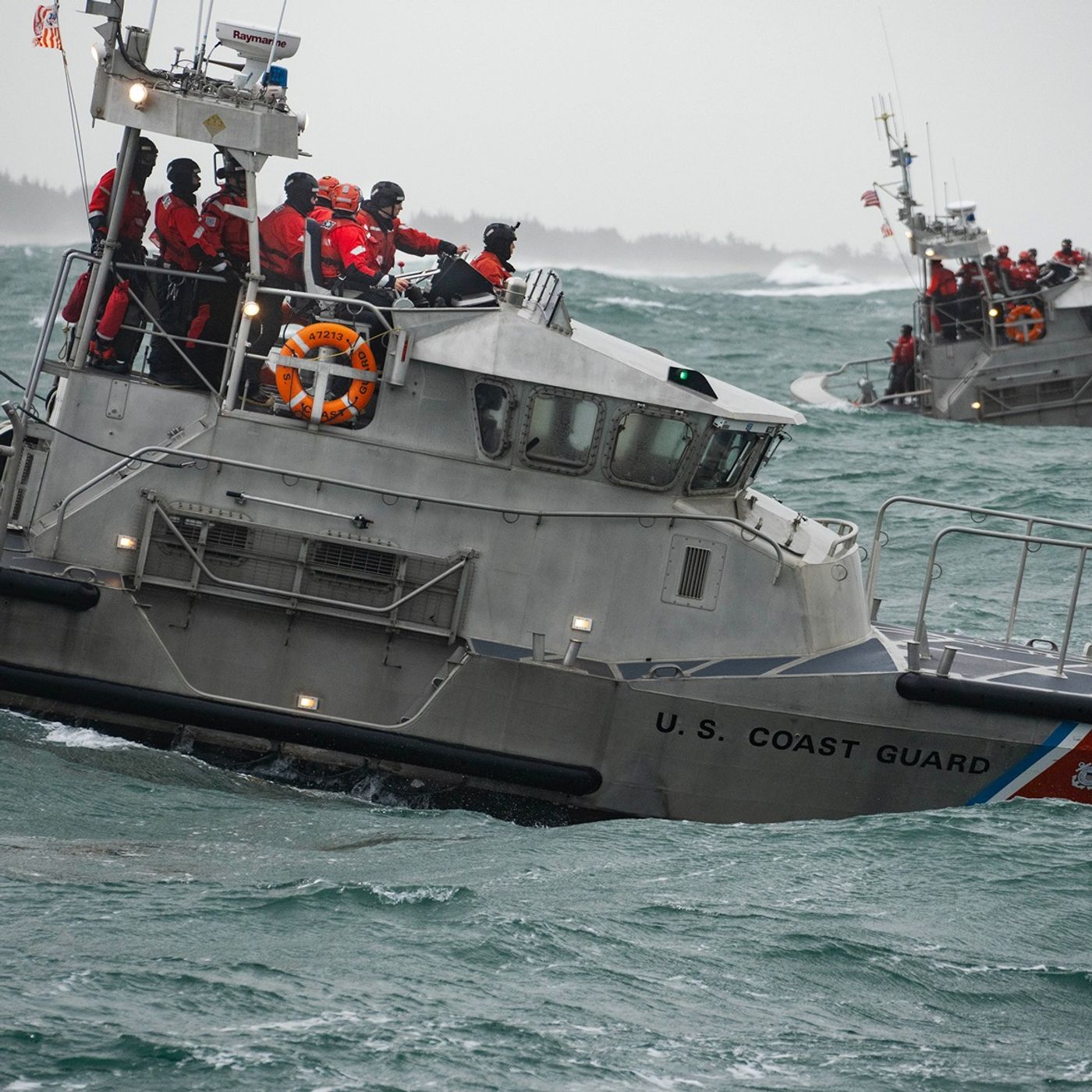
Ocean rescues expose a hidden Coast Guard brain injury risk
How a Teenager Found Undiagnosed Brain Injuries in the Military
The reporting challenges the assumption that traumatic brain injuries require explosions or direct blows, revealing how routine rescue work may cause lasting harm.
- 1Repeated impacts from violent waves may injure surfmen’s brains without direct head blows or explosions.
- 2Brett Bonner’s worsening symptoms were initially treated as PTSD and other conditions before repeated concussions became the leading explanation.
- 3Kaylee Bonner’s survey found widespread cognitive, sleep, mood, and memory problems among surfmen who had never received brain-injury diagnoses.
Don't miss
Kaylee Bonner’s survey reveals that many surfmen reported serious cognitive, sleep, mood, and memory symptoms without a brain-injury diagnosis.
The brief
New York Times reporter Dave Philipps investigates whether repeated impacts from violent ocean waves can cause traumatic brain injuries among Coast Guard surfmen.
Brett Bonner’s headaches, mood changes, memory loss, and cognitive decline intensified after years of rescue work and violent-surf training, but doctors initially struggled to identify the cause.
After Brett died by suicide, his daughter Kaylee surveyed active and retired surfmen and found many reported brain-injury symptoms without ever receiving a diagnosis.
The episode connects surfboat impacts to research showing that repeated high-force motion can injure the brain without explosions or visible wounds.
Philipps and the host examine whether military institutions have focused too narrowly on blast trauma, while Kaylee reinterprets her father’s behavior through the possibility of an undiagnosed physical injury.
Featuring
 David Nathaniel Philipps
Mentioned
 Coast Guard
 The New York Times
Listen to the full episode and explore every guest, topic, and moment on PodLume.