
Sep 13, 2026 · 41 min
New York Times writers define the joy of good-bad movies
The Good, the Bad and the Good-Bad (Movie)
Understanding the appeal of good-bad movies reveals how nostalgia, personal connection, and camp shape our collective cultural tastes.
- 1Good-bad movies succeed because they are highly watchable and earnest despite their obvious cinematic flaws.
Don't miss
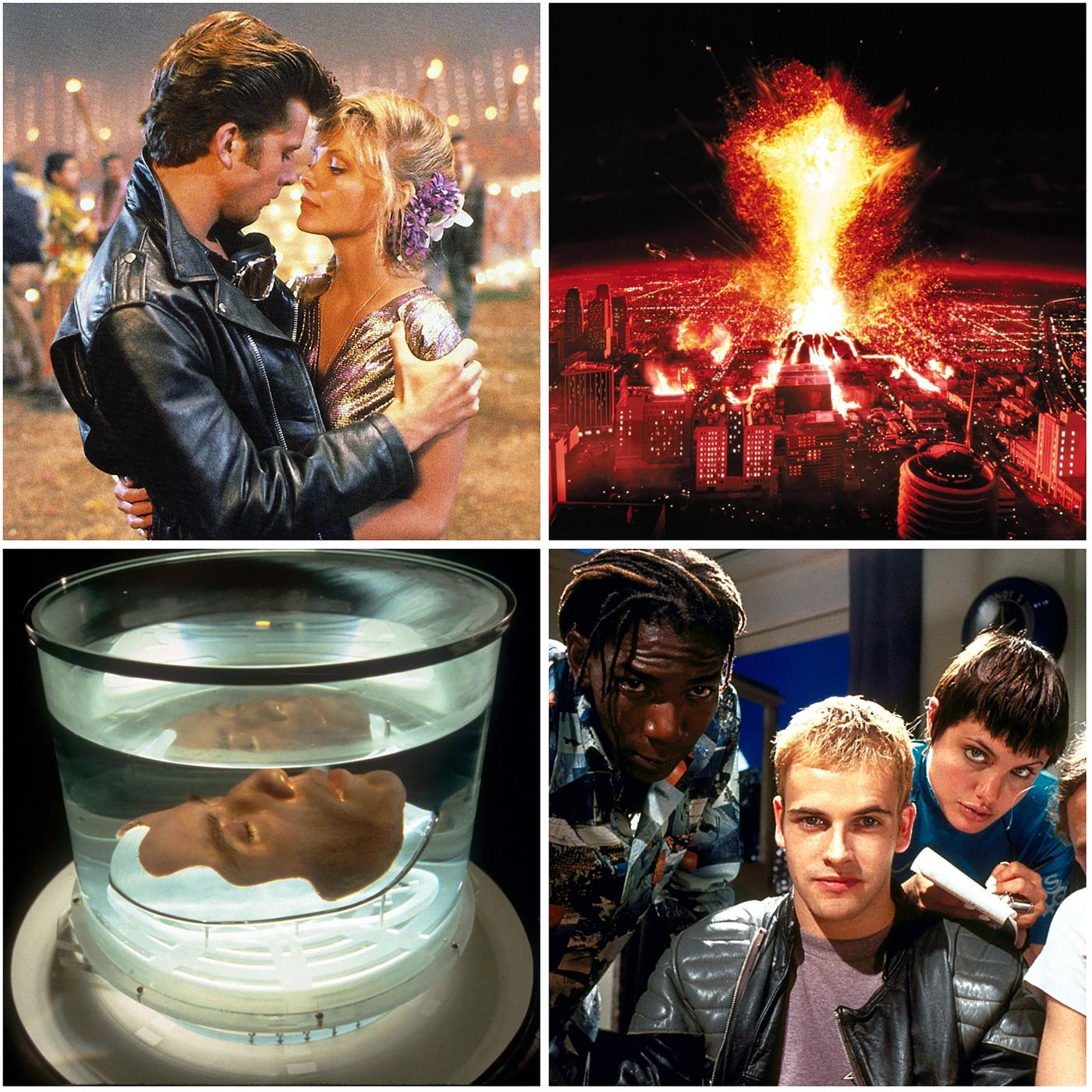
The panel debates their ultimate good-bad picks, highlighting Grease 2, Hackers, and Face/Off.
The brief
The upcoming sequel to the 1998 film Practical Magic has reignited a classic cinematic debate: what makes a movie bad, and why do we love certain flawed films so much that they become permanent fixtures in our culture?
New York Times writers Maya Salam, Gilbert Cruz, and Taffy Brodesser-Akner join host Rachel Abrams to define the good-bad movie, arguing that true classics of the genre rely on earnestness, nostalgia, and an undeniable watchability.
The panel dissects the anatomy of these films, using the 1997 disaster movie Volcano as a prime example of a story that is highly unrealistic yet completely captivating due to its commitment to its absurd premise.
The debate peaks as the writers pitch their ultimate favorites, with Maya Salam championing the campy musical Grease 2, Gilbert Cruz backing the cyber-thriller Hackers, and Taffy Brodesser-Akner defending the wild action of Face/Off.
 Good-bad films
 Volcano
 Face/Off
 Practical Magic 2
Books & mentions

Listen to the full episode and explore every guest, topic, and moment on PodLume.