
Aug 9, 2026 · 31 min
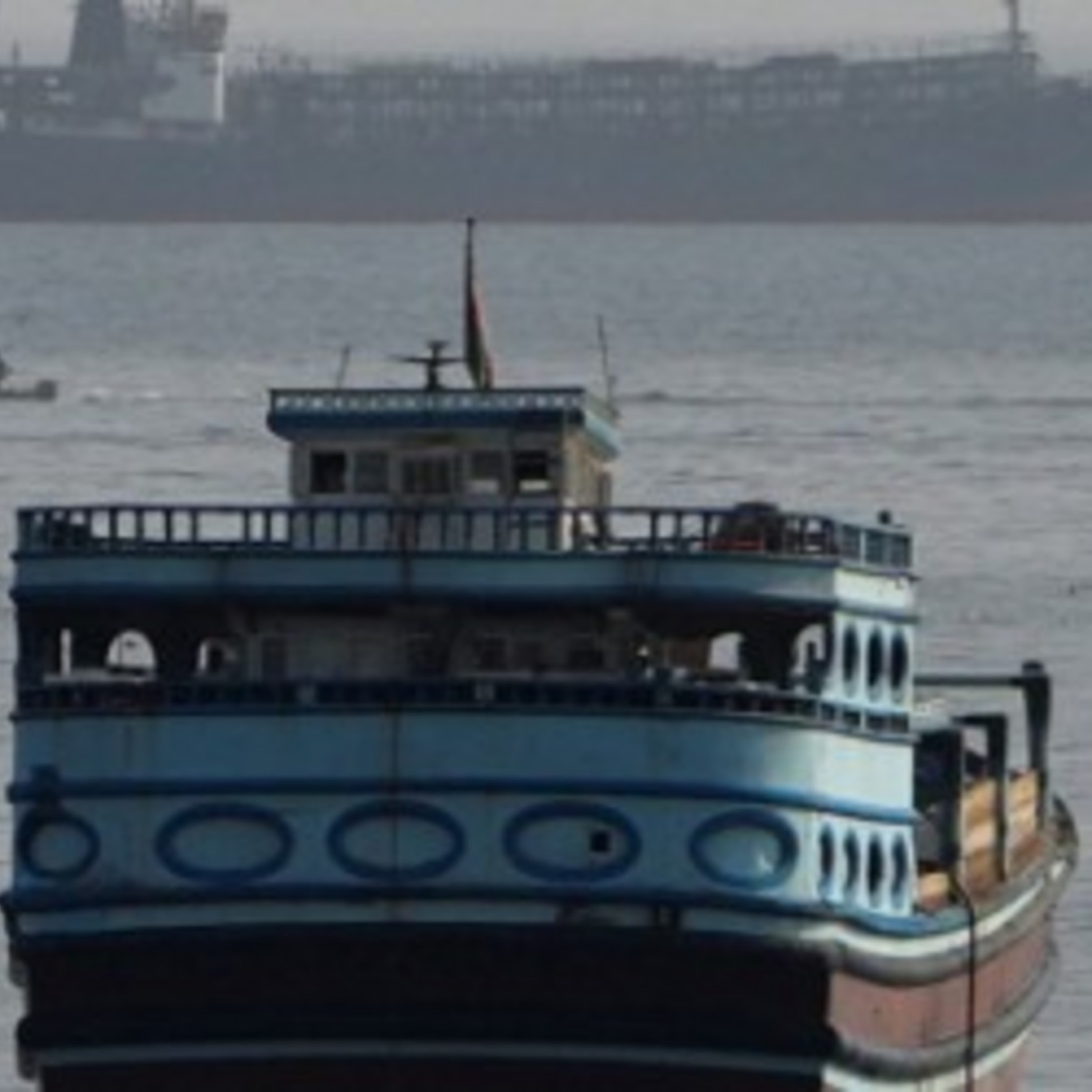
Iran links Hormuz reopening to sanctions relief and US withdrawal
Iran hardens demands on Strait of Hormuz
The episode connects a high-stakes maritime standoff to wider questions about escalation, allied support, political accountability, climate readiness, heritage, and technology’s treatment of books.
- 1Iran sets sanctions relief, reparations, and US troop withdrawal as conditions for reopening the Strait of Hormuz.
- 2Ukraine seeks more air defenses and sanctions as Russian strikes intensify pressure on European allies.
- 3Reports on destructive book scanning widen the AI debate from copyright to waste, ownership, and cultural preservation.
Don't miss
Iran’s conditions for reopening the Strait of Hormuz turn a regional negotiation into a test of sanctions policy, military pressure, and escalation limits.
The brief
Iran says the Strait of Hormuz will not immediately reopen, despite constructive talks with Oman, while demanding sanctions relief, reparations, and the withdrawal of US forces.
The report weighs President Trump’s limited room for escalation against Iran’s leverage over a waterway central to regional security and international commerce.
Ukraine’s appeal for missile interceptors follows deadly Russian strikes near Kyiv, while President Zelensky presses European partners for stronger support and sanctions.
The episode then moves through Todd Blanche’s confirmation as attorney general, scrutiny of FIFA president Gianni Infantino, and a British Columbia wildfire that forced more than 20,000 evacuations.
Its final stories examine contested archaeology in the West Bank, Japan’s changing paternity-leave culture, and AI companies reportedly destroying books after scanning them for training.
 Shu Matsuo Post
 Gianni Infantino
 Ukraine
 Gutenberg Bible
Books & mentions
Listen to the full episode and explore every guest, topic, and moment on PodLume.