
Sep 29, 2026 · 26 min
Confidence falters as households confront a tougher economy
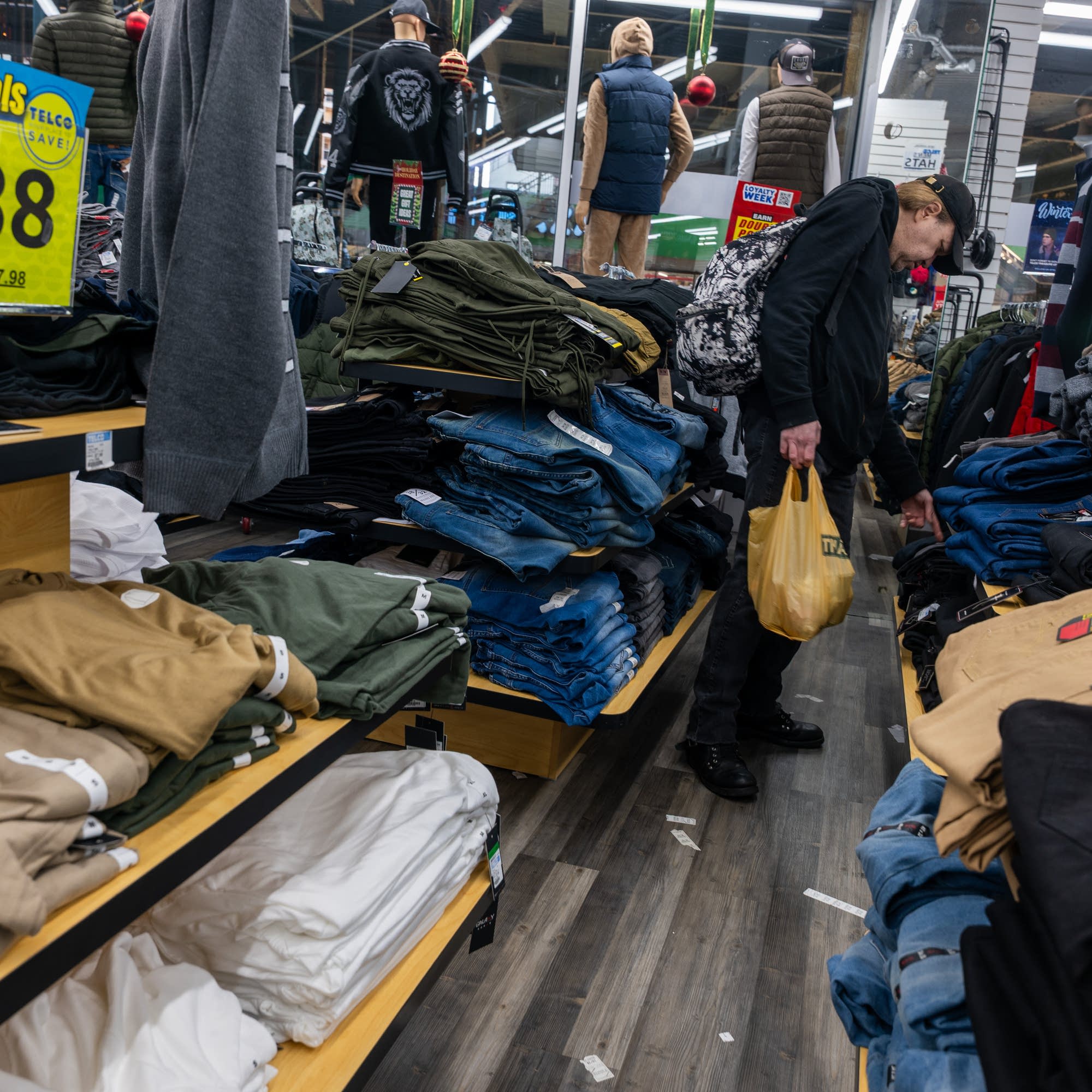
Consumer confidence slides to 12-year low
The episode connects weakening confidence, stalled hiring, and squeezed industries to a broader question about whether resilient spending can last.
- 1A stagnant labor market and falling confidence are emerging even as consumer spending remains relatively resilient.
- 2Higher-income households are feeling pressure, raising doubts about how long consumption can support economic growth.
- 3Personalized pricing, Gulf shrimpers’ fuel costs, and Anthropic’s planned IPO show economic change reaching consumers and industries differently.
Don't miss
Lindsay Owens explains how personalized pricing can make different shoppers see different grocery prices, challenging the idea of a fair price.
The brief
GDP growth still depends heavily on consumer spending, but tax refunds and resilient purchases may obscure a more fragile household outlook.
The labor market is barely moving: hiring, quits, and layoffs remain stagnant as uncertainty, higher rates, and competition from government bonds restrain expansion.
Consumer confidence has reached a 12-year low, with higher-income households now feeling pressure and economists warning that depleted savings could weaken future spending.
Lindsay Owens explains how companies use consumer data to vary prices, raising questions about fairness and whether a price can still be considered neutral.
Gulf shrimpers face low prices and sharply higher diesel costs, while Samantha Rafferty describes leaving project management at 32 to study architecture.
The episode closes with a look at corporate filings and Anthropic’s planned IPO, extending its focus from household strain to the next phase of AI finance.
 Lindsay Alexandra Owens
Mentioned
 Bureau of Labor Statistics
 Louisiana
Books & mentions
Listen to the full episode and explore every guest, topic, and moment on PodLume.