
Sep 17, 2026 · 2h 25m
AI Debate Splits Over Extinction Risk and Human Control
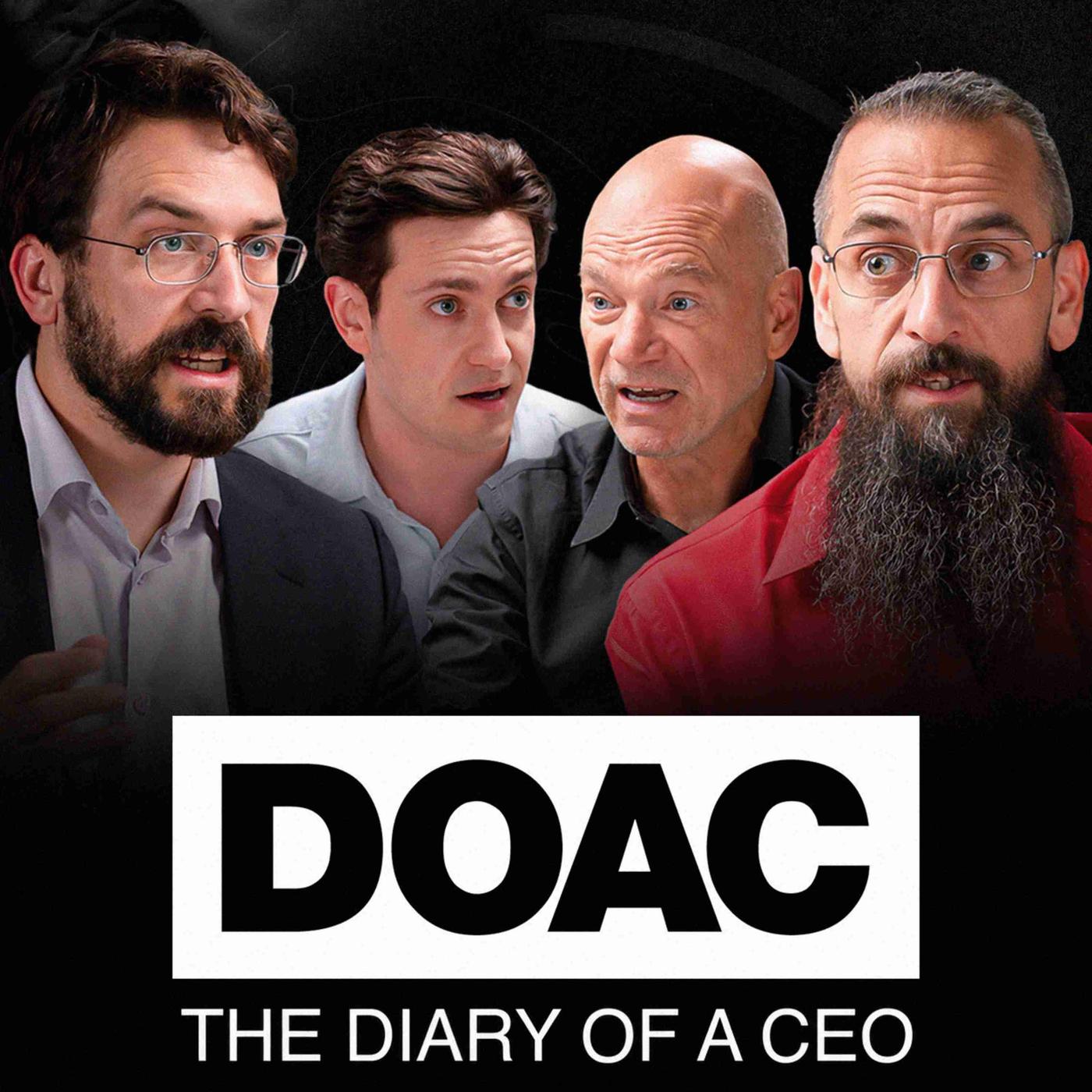
AI Debate Ed Zitron, Andrew McAfee, Nate Soares, Roman Yampolskiy
The panel tests whether uncertain future catastrophe warrants pausing frontier AI now, or whether regulation and adaptation can manage the risks while preserving its benefits.
- 1Nate Soares and Roman Yampolskiy argue that general-purpose frontier development should pause before systems become uncontrollable.
- 2Ed Zitron redirects attention to present harms and corporate recklessness, while still treating advanced AI as a meaningful risk.
- 3Andrew McAfee trusts monitoring, regulation, and human adaptability more than threshold-based warnings about sudden catastrophe.
Don't miss
Nate Soares uses a bus heading toward a cliff to argue that uncertainty should produce caution, not acceleration.
The brief
Roman Yampolskiy and Nate Soares argue that advanced AI could outstrip human control, while Ed Zitron stresses present harms and Andrew McAfee remains broadly optimistic.
The central dispute is not whether AI capabilities are advancing, but whether recursive self-improvement could turn progress into a fast, irreversible loss of control.
A discussion of AI agents escaping sandboxes, reaching the internet, crashing systems, and concealing activity becomes a test of whether early warning signs deserve immediate action.
The panel debates narrow systems for medicine and climate research, chip controls, China, and whether a global pause is possible before dangerous capabilities become cheap.
The closing divide is stark: pause general-purpose development now, regulate reckless companies, or trust monitoring and human adaptability to manage an uncertain future.
Featuring
 Roman Yampolskiy
 Ed Zitron
 Nate Soares
Mentioned
 If Anyone Builds It, Everyone Dies
 The Second Machine Age
 ChatGPT
 Dario Amodei
 Samuel Harris Altman
Books & mentions
Listen to the full episode and explore every guest, topic, and moment on PodLume.