
Aug 10, 2026 · 32 min
Younger adults face cancer’s medical and social costs
Why Adults Are Getting Cancer at a Younger Age
Early-onset cancer can reshape fertility, relationships, identity, and friendships while leaving patients without a clear explanation for why they became ill.
- 1Whitney Johnson’s breast cancer diagnosis forced immediate decisions about treatment, fertility preservation, surgery, and having children.
- 2Young patients can feel isolated as peers marry and become parents while treatment changes their bodies, relationships, and daily lives.
- 3Research points to several possible contributors to early-onset cancer, but population-level patterns do not explain any individual patient’s illness.
Don't miss
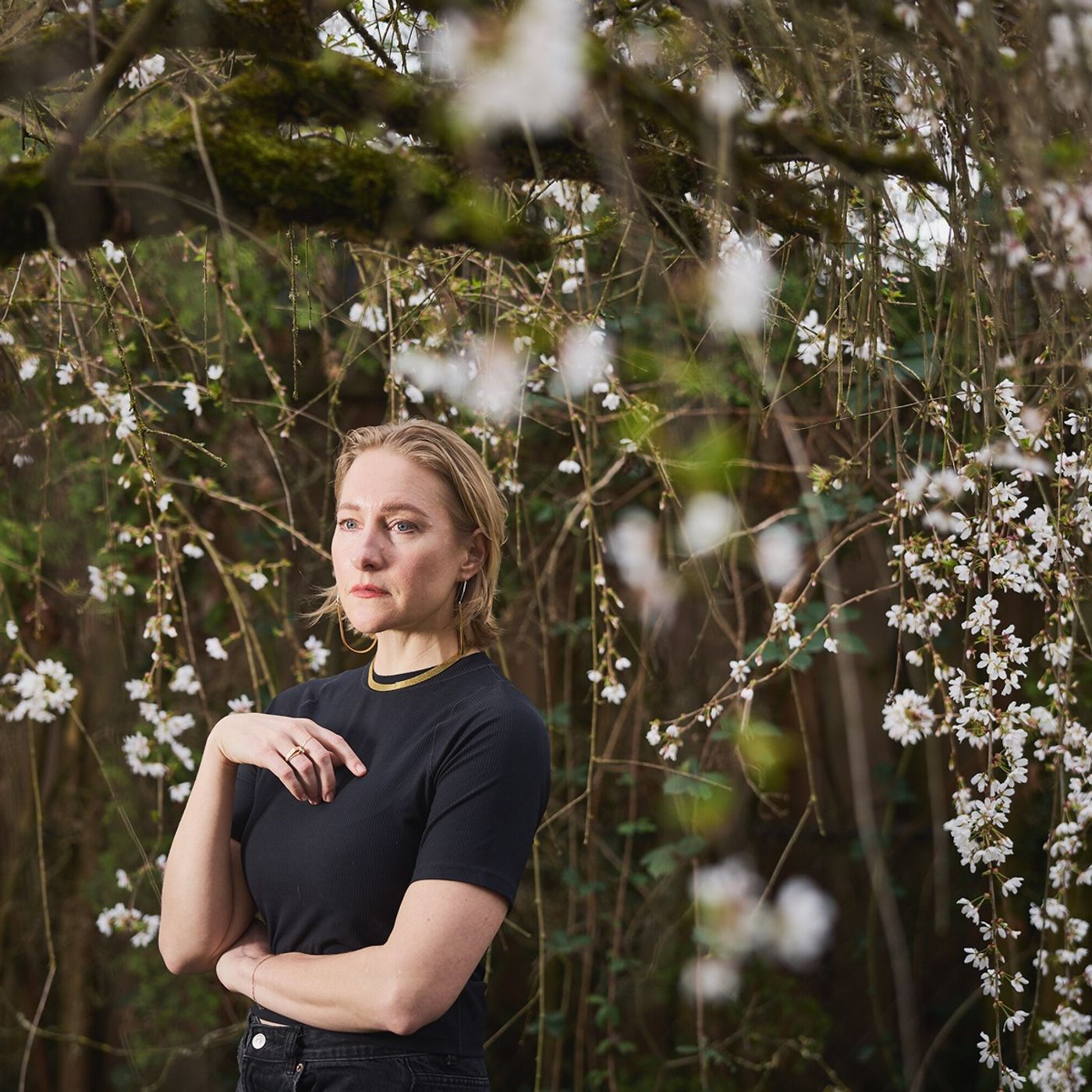
Whitney Johnson’s diagnosis turns an intimate discovery into immediate decisions about aggressive treatment, egg freezing, and her plans for children.
The brief
Health reporter Nina Agrawal examines why cancer diagnoses are rising among adults under 50, using one patient’s experience to show what the trend means in daily life.
Whitney Johnson discovers a breast lump during an intimate moment, then faces aggressive treatment alongside urgent decisions about chemotherapy, surgery, egg freezing, and children.
Treatment changes Whitney’s body and relationship while separating her from friends moving through marriage, pregnancy, and parenthood—a loneliness distinct to cancer in young adulthood.
The episode surveys possible contributors, including environmental and lifestyle factors, genetics, changing reproductive patterns, and childhood E. coli infections, without assigning patients personal blame.
After treatment, Whitney returns to work and moves forward with her relationship, but reconstruction, fertility, body image, and fear of recurrence remain unresolved.
Featuring
 Nina Agrawal
Mentioned
 The New York Times
Listen to the full episode and explore every guest, topic, and moment on PodLume.