
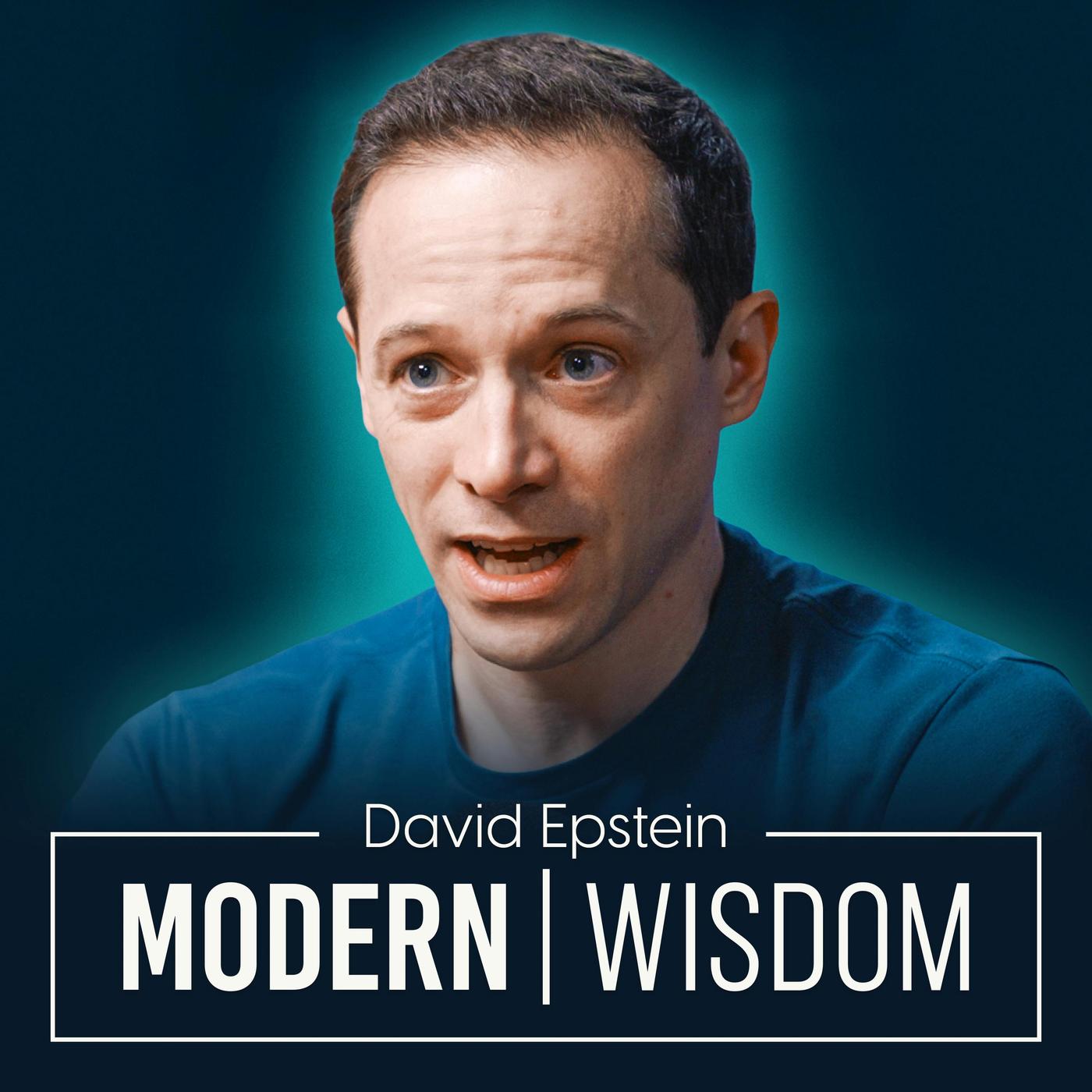
Jul 9, 2026 · 1h 19m
Why endless choices cause cognitive overwhelm and how constraints spark creativity
Why You Feel Overwhelmed All The Time (and how to fix it) - David Epstein - #1121
Chasing endless optionality and over-optimization leads to chronic overwhelm, but understanding the power of deliberate limits can restore focus and drive original thinking.
- 1Human psychology evolved to overvalue unlimited options, leading to severe decision paralysis in an era of abundance.
- 2Imposing strict creative constraints forces the brain off the path of least resistance to find highly original solutions.
- 3True focus requires rejecting the myth of multitasking and establishing singular, structured boundaries for your time.
Don't miss
David Epstein details how the visionary nineties tech company General Magic collapsed due to a lack of constraints, despite its brilliant staff.
The brief
Modern life offers unparalleled freedom and endless choices, yet this abundance often breeds paralysis. Science journalist David Epstein argues that our evolutionary drive to hoard options backfires in a world where scarcity is no longer the primary threat.
True creativity and focus require intentional boundaries. When Dr. Seuss wrote a masterpiece using only fifty words, he proved that removing the easiest paths forces the brain to find highly original solutions, a phenomenon known as the Green Eggs and Ham effect.
This need for limits extends from artistic endeavors to modern corporate strategy. Silicon Valley giant General Magic failed in the nineties by chasing a limitless vision without constraints, while today's elite sports coaches use environmental limits to train athletes.
To escape cognitive overwhelm and the trap of constant task-switching, we must embrace deliberate constraints. Rather than keeping every door open, committing to structured limits is what actually unlocks deep learning and meaningful progress.
Featuring
 David Epstein
Mentioned
 Green Eggs and Ham
 The Paradox of Choice: Why More Is Less
Books & mentions
Listen to the full episode and explore every guest, topic, and moment on PodLume.