
Sep 22, 2026 · 13 min
Warmer oceans raise Hawaiʻi’s hurricane stakes
Climate change is increasing hurricane risk for Hawaiʻi
Hawaiʻi’s reefs, shorelines, and communities face compounding pressure from stronger storm risks, sea-level rise, erosion, drought, and wildfires.
- 1Warmer oceans and El Niño may be changing the conditions that have historically kept hurricanes from Hawaiʻi’s main islands.
- 2Healthy coral reefs can help protect shorelines, while storms also reshape reefs, beaches, and coastal communities.
- 3Island resilience depends on combining scientific records, traditional Hawaiian knowledge, resilient species, and informed communities.
Don't miss
Haunani Kane explains why healthy reefs, traditional knowledge, scientific records, and informed communities must work together to help islands recover.
The brief
Back-to-back storms have exposed Hawaiʻi to unusual hurricane damage, prompting questions about how warmer oceans and El Niño may be shifting island risk.
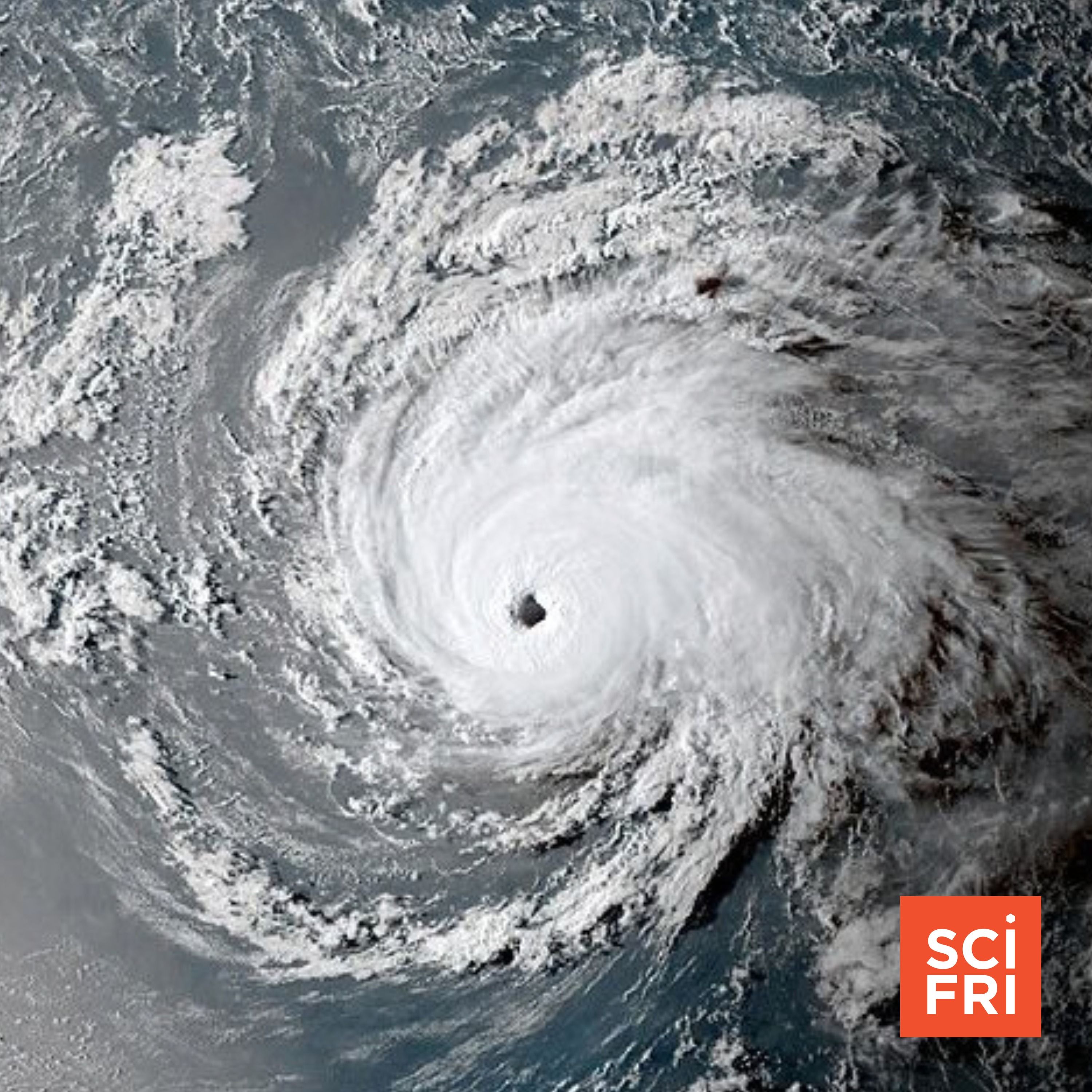
Haunani Kane explains that hurricanes do more than damage homes and roads: they reshape coral reefs, beaches, and coastal areas, as Hurricane Wolaka did in 2018.
The episode frames reefs and communities as interconnected defenses. Healthy coral can help protect islands, while traditional Hawaiian knowledge adds context to scientific research.
Kane links storms to a wider climate challenge that includes sea-level rise, coastal erosion, drought, and wildfires, with future generations bearing the consequences.
Her resilience research draws on modern, historical, and paleo records to identify recovery thresholds, resilient corals, calcareous seaweeds, and informed communities as crucial assets.
Featuring
 Haunani Kane
Mentioned
 Hurricane Lala
 Hawaii
Listen to the full episode and explore every guest, topic, and moment on PodLume.