
Jul 9, 2026 · 34 min
US-Iran strikes choke Hormuz as crises spread worldwide
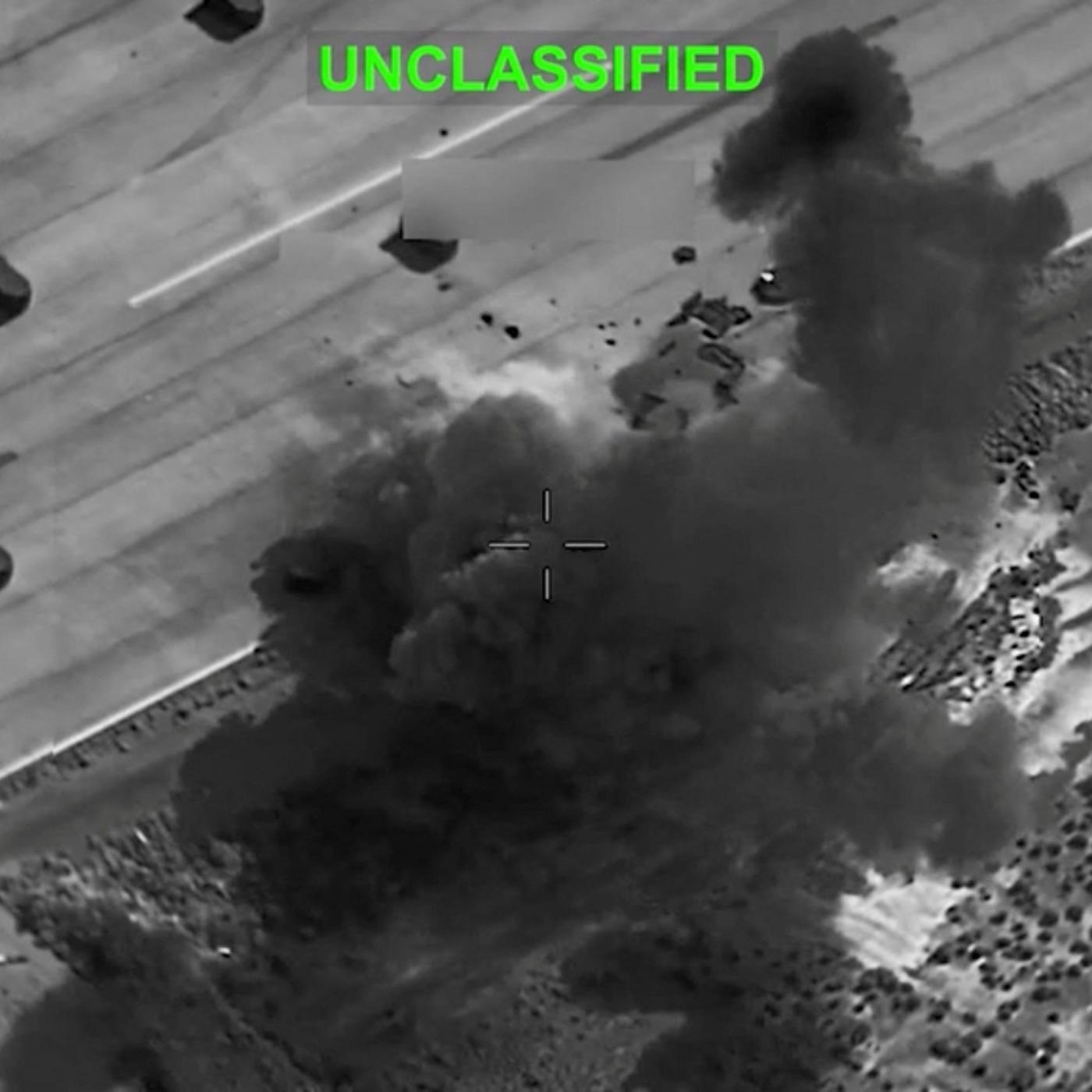
US and Iran trade strikes in Gulf
The episode connects a widening military confrontation and disrupted energy routes with political, public-health, technological, environmental, and sporting developments.
- 1US-Iran strikes are disrupting shipping and oil tanker traffic through the strategically vital Strait of Hormuz.
- 2Ebola misinformation in the Democratic Republic of Congo is fueling violence against health workers and obstructing containment.
- 3The wider bulletin spans AI’s uncertain effect on young workers, a threatened desert rain frog, and a France-Morocco World Cup quarterfinal.
Don't miss
The episode’s clearest global-stakes moment is the reported disruption of shipping and oil tanker traffic through the Strait of Hormuz.
The brief
US and Iran trade strikes for a second night as crowds gather in Mashhad for the burial of Iran’s late Supreme Leader, while civilian infrastructure is affected.
The conflict’s immediate global consequence is economic: shipping and oil tanker traffic through the Strait of Hormuz, a key energy route, face severe disruption.
The bulletin then turns to Graham Platner’s suspended Maine Senate campaign, Bonnie Tyler’s death at 75, and Ebola misinformation driving violence against health workers in the DRC.
Brad Smith argues young digital natives may adapt to AI, even as entry-level jobs face uncertainty; the desert rain frog meanwhile confronts mining and encroachment.
The episode closes with a preview of France versus Morocco in Boston, alongside fallout from the Egypt-Argentina match.
 United States
 Iran
Iran Strait of Hormuz
 Graham Platner
 The Global Story
Books & mentions
Listen to the full episode and explore every guest, topic, and moment on PodLume.