
Jul 11, 2026 · 30 min
US and Iran clash over a vital shipping route
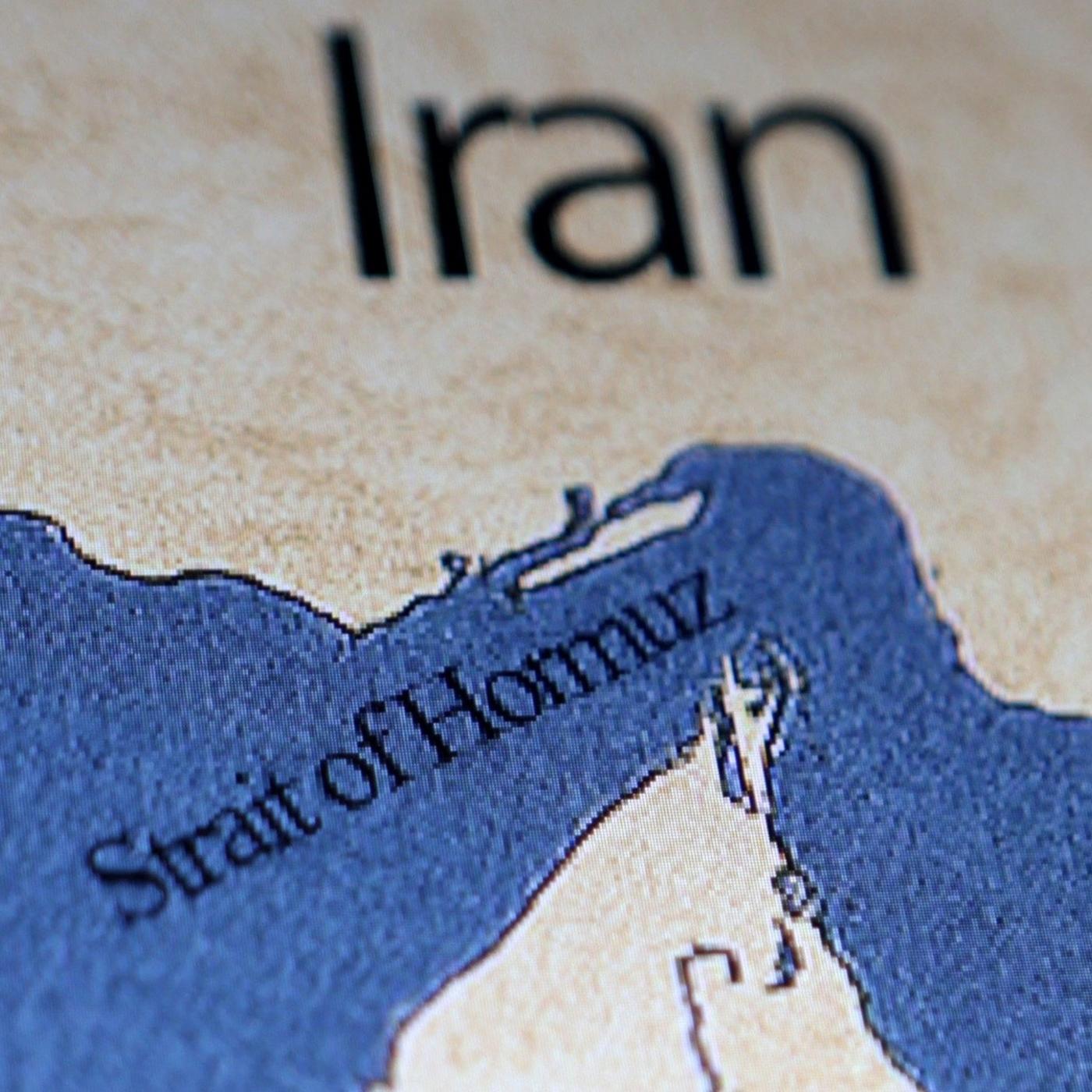
US demands Iran guarantee Strait of Hormuz is open
The episode connects a dangerous US-Iran confrontation over commercial shipping with conflicts, corporate power, environmental policy, and demographic decline.
- 1Washington demands Iran acknowledge the Strait of Hormuz is open while warning of retaliation against further attacks on commercial ships.
- 2Nigeria reports rescuing more than 25 abducted school children and teachers without paying ransom, while capturing several alleged abductors.
- 3The wider news agenda spans intensified Russian attacks, Apple's trade-secret lawsuit against OpenAI, and South Korea's temple matchmaking retreats.
Don't miss
The episode's sharpest moment is Washington's warning of strong retaliation unless Iran stops firing on commercial ships and acknowledges the Strait of Hormuz is open.
The brief
The central confrontation is between the United States and Iran: Washington wants Tehran to publicly confirm the Strait of Hormuz is open and halt attacks on commercial ships.
Regional mediators carry the message, backed by a warning of strong retaliation if firing continues. The dispute turns a strategic waterway into a test of escalation control.
Nigeria reports that more than 25 abducted school children and their teachers were rescued in Oyo State, with no ransom paid and several abductors captured.
The bulletin widens to Russian bombardment in Zaporizhzhia, Apple's trade-secret lawsuit against OpenAI, and a decade-low first-half deforestation rate in the Brazilian Amazon.
Its closing stories shift from Spain's World Cup semifinal to a newly identified Thai dinosaur and Buddhist matchmaking retreats responding to South Korea's low birth rate.
Featuring
 United States
 Iran
Iran Strait of Hormuz
 Nigeria
 Apple Inc.
 OpenAI
 Artificial Intelligence
Listen to the full episode and explore every guest, topic, and moment on PodLume.