
Sep 21, 2026 · 26 min
U.S.-China trade strains outlast the tariff truce
The state of U.S.-China trade
The episode shows how trade tensions, stubborn inflation, energy costs and shifting consumer habits are complicating economic decisions on both sides of the Pacific.
- 1Chinese imports are rising, particularly in AI-related equipment, while agricultural purchases from the United States remain below promised levels.
- 2Copper’s high price now reflects infrastructure, defense and supply pressures as much as economic growth, weakening its traditional forecasting role.
- 3Higher oil costs and AI investment complicate the Federal Reserve’s inflation fight because interest rates cannot directly address every price shock.
Don't miss
The copper discussion explains why a once-trusted growth indicator now reflects infrastructure, defense and supply constraints as much as demand.
The brief
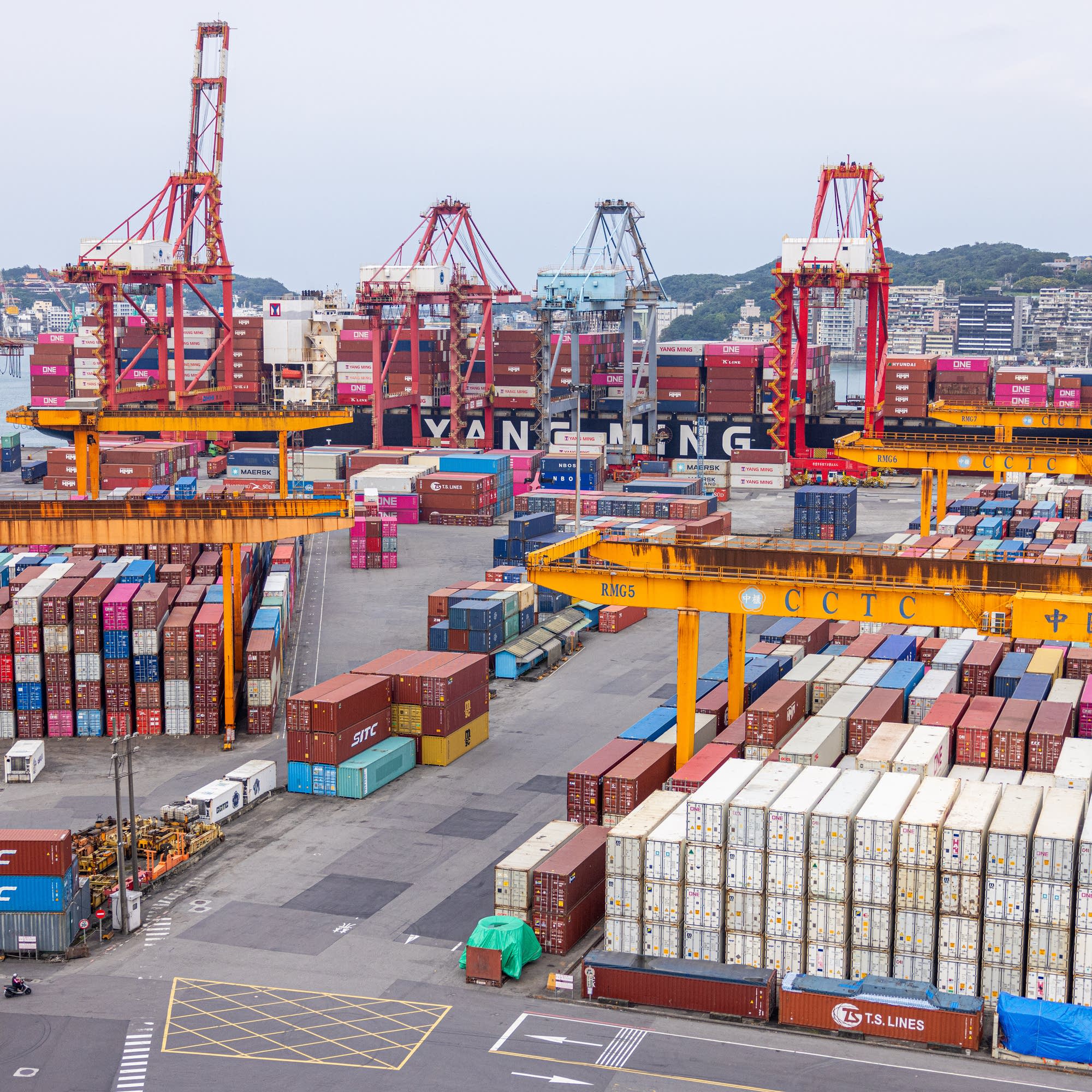
Ahead of a Trump-Xi meeting, U.S.-China trade remains unsettled: imports from China are rising, especially in AI equipment, while American farm purchases lag promised levels.
Copper’s reputation as a growth barometer is eroding as data centers, power grids, defense demand, mine disruptions and possible tariffs keep prices elevated.
The Federal Reserve faces a difficult trade-off: higher rates may cool demand elsewhere without directly addressing oil costs or the AI investment boom, and policy works with long lags.
The episode widens its lens to Great Lakes cities courting young workers, airlines cutting routes as fuel costs rise, and restaurants rethinking the labor-heavy boozy brunch.
The closing report turns to an Atlanta Fed survey of businesses navigating tariff refunds, extending the episode’s focus on how policy reaches the real economy.
Featuring
 Lane Florsheim
 Xi Jinping
Listen to the full episode and explore every guest, topic, and moment on PodLume.