
Sep 27, 2026 · 1h 0m
TV’s canon wrestles with comedy, antiheroes and omission
The Best TV Shows of the 21st Century
The ranking reveals how critics and industry figures weigh artistic ambition, cultural influence and the changing boundaries of television.
- 1Comedy earns a place in television’s canon, but its lower rankings expose persistent doubts about the form’s seriousness.
- 2The top dramas pair formal craft with expansive arguments about power, institutions, identity and the American dream.
- 3Breaking Bad’s victory revives questions about whether television’s celebrated antiheroes invite admiration or demand moral judgment.
Don't miss
The panel questions whether Breaking Bad’s antihero should be admired as a transformation or understood as a cautionary tale.
The brief
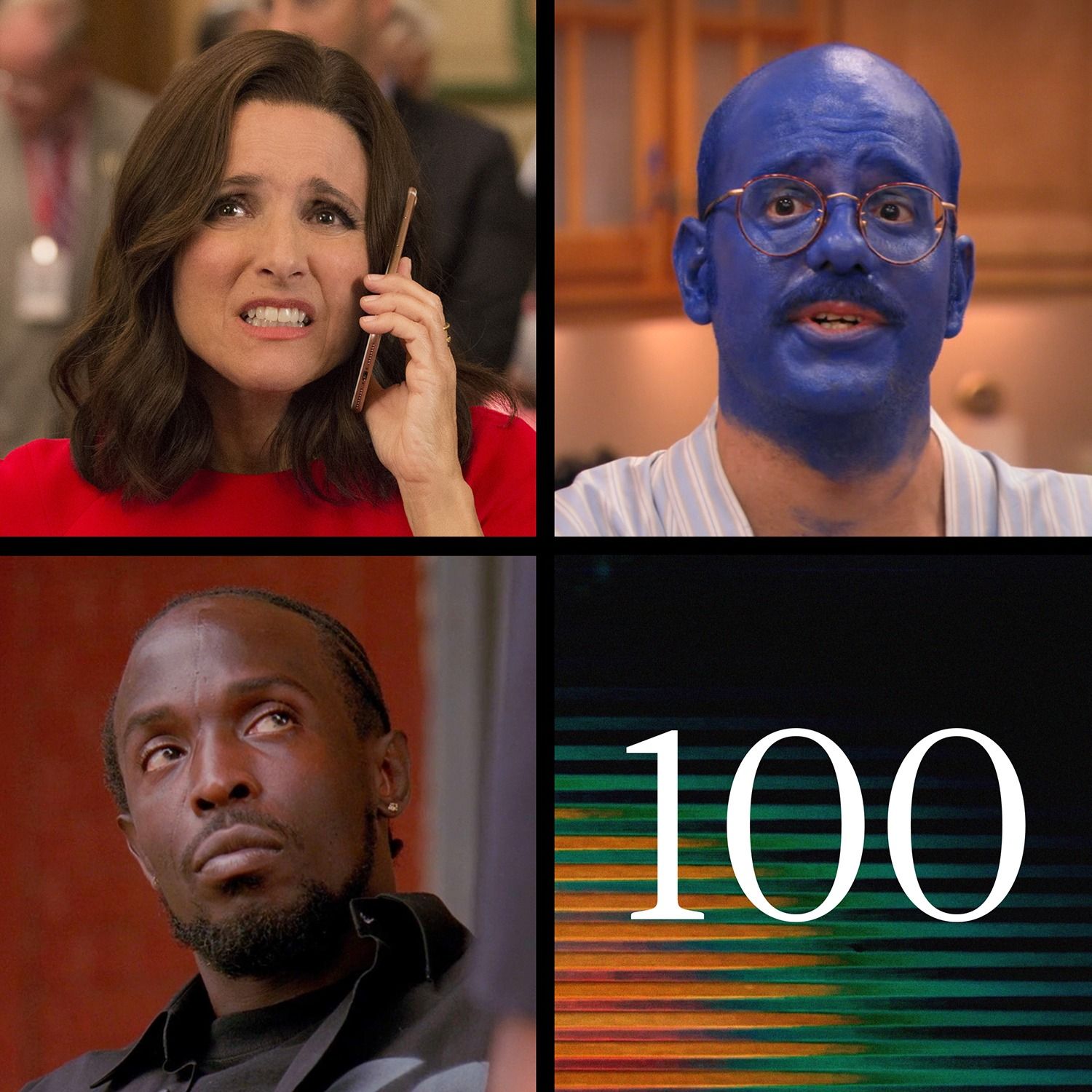
The New York Times’ ranking of the century’s 100 best shows becomes a debate over what television canonizes—and why comedy remains underrepresented near the top.
James Poniewozik and Gilbert Cruz examine Atlanta, 30 Rock, Curb Your Enthusiasm and Veep, arguing that the strongest television often blends comedy with drama.
Fleabag, Succession, Mad Men and The Wire anchor the list’s upper tier, spanning intimate confession, inherited power, advertising, institutions and systemic dysfunction.
Breaking Bad takes the top spot through Walter White’s transformation, relentless tension and binge-ready structure, while its antihero legacy receives a sharper moral reading.
The omissions sharpen the argument: The Sopranos falls outside the formal cutoff despite its influence, while Hannibal, Adventure Time and Rectify go unranked.
Featuring
 The New York Times
 The Sopranos
 Hannibal
 Rectify
 Vince Gilligan
Listen to the full episode and explore every guest, topic, and moment on PodLume.