
Sep 24, 2026 · 8 min
Trump’s stock promotions test presidential conflict rules
What Doordash, Dell and Palantir all have in common
The episode examines whether presidential trading and public endorsements can influence markets while avoiding rules that constrain other officials.
- 1Trump traded and promoted companies tied to federal contracts, government policy, or White House events.
- 2The presidency remains exempt from many financial-conflict restrictions that apply to other executive-branch employees.
- 3A proposed trading ban for elected officials could reshape how presidents and lawmakers manage individual stocks.
Don't miss
Trump’s Truth Social post about Palantir briefly lifted the company’s stock, prompting questions about presidential market influence.
The brief
The Indicator examines Donald Trump’s trading and public promotion of Dell, Palantir, and DoorDash—companies connected to federal contracts, government policy, or White House events.
Most executive-branch employees face restrictions involving financial interests in government matters, but the president and vice president have a historical exemption. The White House says Trump’s portfolio is independently managed.
Trump’s Dell praise followed stock purchases and coincided with a major government investment commitment and nearly $10 billion Defense Department contract for a Dell subsidiary.
Palantir offers the sharpest market test: Trump traded the government contractor, then a Truth Social post briefly lifted its stock and raised manipulation questions.
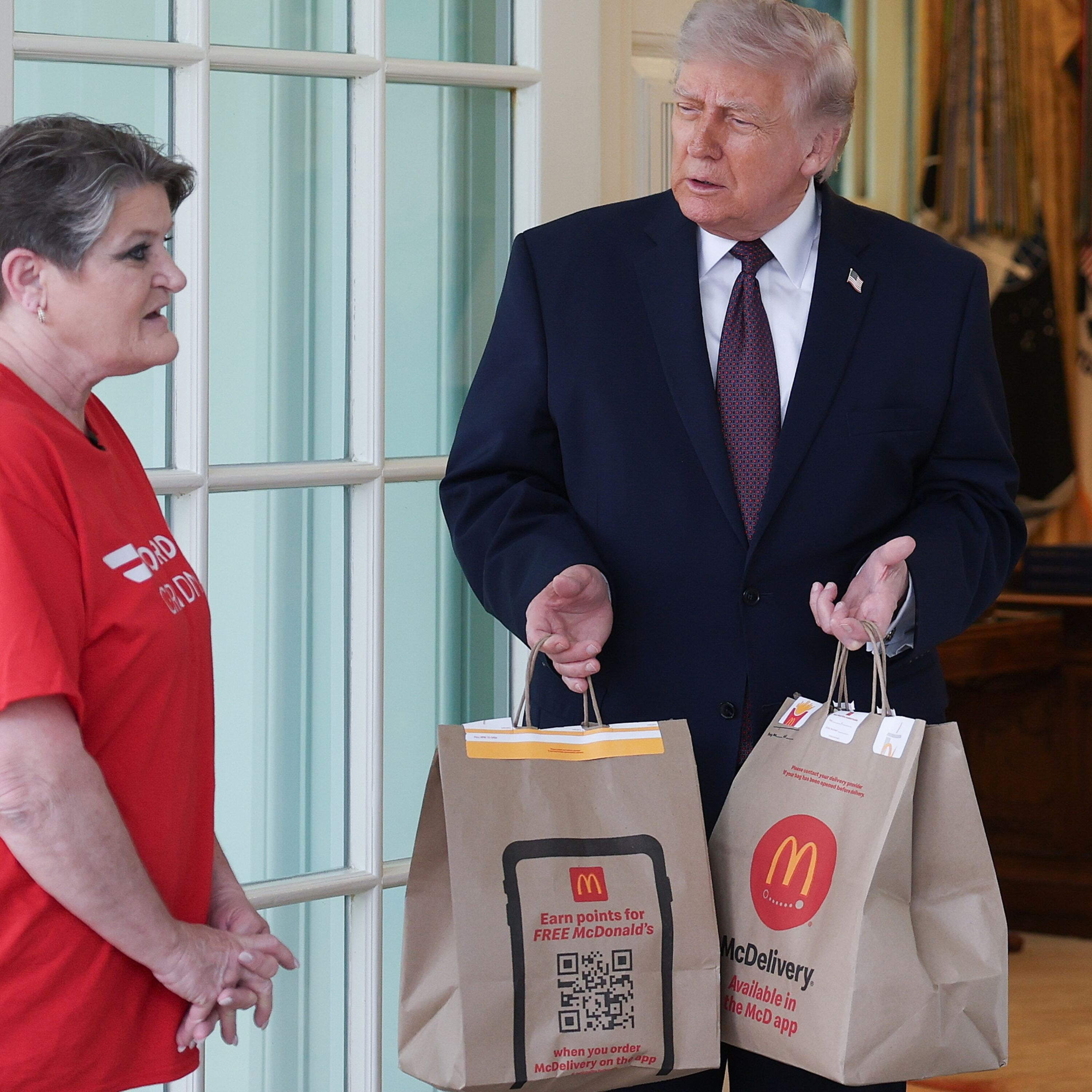
DoorDash links trading to policy promotion after a delivery driver appeared at a White House event for no-tax-on-tips, a policy Trump had promoted.
The episode closes on broader ethics concerns around Trump’s AI advocacy and calls to restrict elected officials’ stock trading, including a House bill that excludes the president.
 Donald John Trump
 Palantir
Listen to the full episode and explore every guest, topic, and moment on PodLume.