
Sep 22, 2026 · 1h 21m
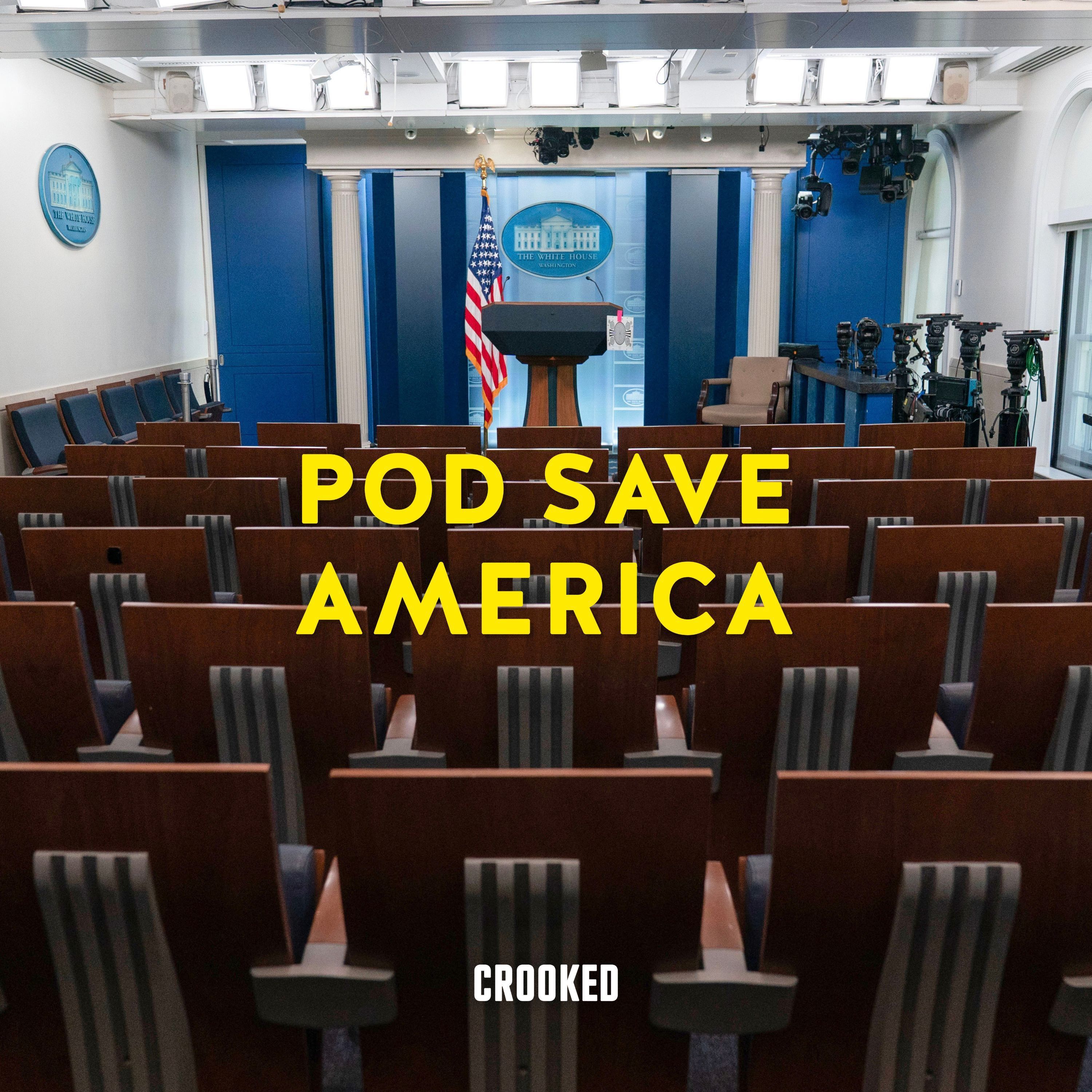
Trump’s press restrictions test media solidarity and democratic norms
Trump Bans Crooked Media
The episode connects viewpoint-based press access restrictions to legal precedent, institutional resistance, and broader risks from executive overreach.
- 1The hosts argue that coordinated media resistance matters when the White House uses access to punish disfavored outlets.
- 2They question whether Paramount’s settlement can give CNN and CBS News meaningful editorial independence.
- 3The discussion links the Iran conflict, AI policy, and midterm politics to mounting risks for Trump and Republicans.
Don't miss
The hosts’ discussion of coordinated media resistance frames the press-access fight as a legal and democratic test, not merely a dispute over credentials.
The brief
Jon Favreau and Tommy Vietor open with Trump’s effort to exclude disfavored outlets from White House coverage, arguing that the policy turns press access into political leverage.
The hosts examine the television and newspaper boycott, the need for media solidarity, and legal precedent barring arbitrary or viewpoint-based restrictions on White House access.
The conversation widens to Paramount’s settlement, the expanding Iran conflict, AI risks involving the United States and China, and Republican anxiety ahead of the midterms.
Trump’s Kennedy Center and monument projects become examples of a presidency focused on personal legacy, even as war, trade, and campaign spending create political liabilities.
Dan Pfeiffer interviews Kate Connolly about her military and cybersecurity background, her challenge to Mike Lawler, data centers, AI guardrails, and the Iran war.
Featuring
 Mike Lawler
 Donald John Trump
 Kennedy Center for Performing Arts
 NBC News
 Natalie Harp
Listen to the full episode and explore every guest, topic, and moment on PodLume.