
Aug 10, 2026 · 26 min
Trump’s legacy concerns shape war, economic and White House choices
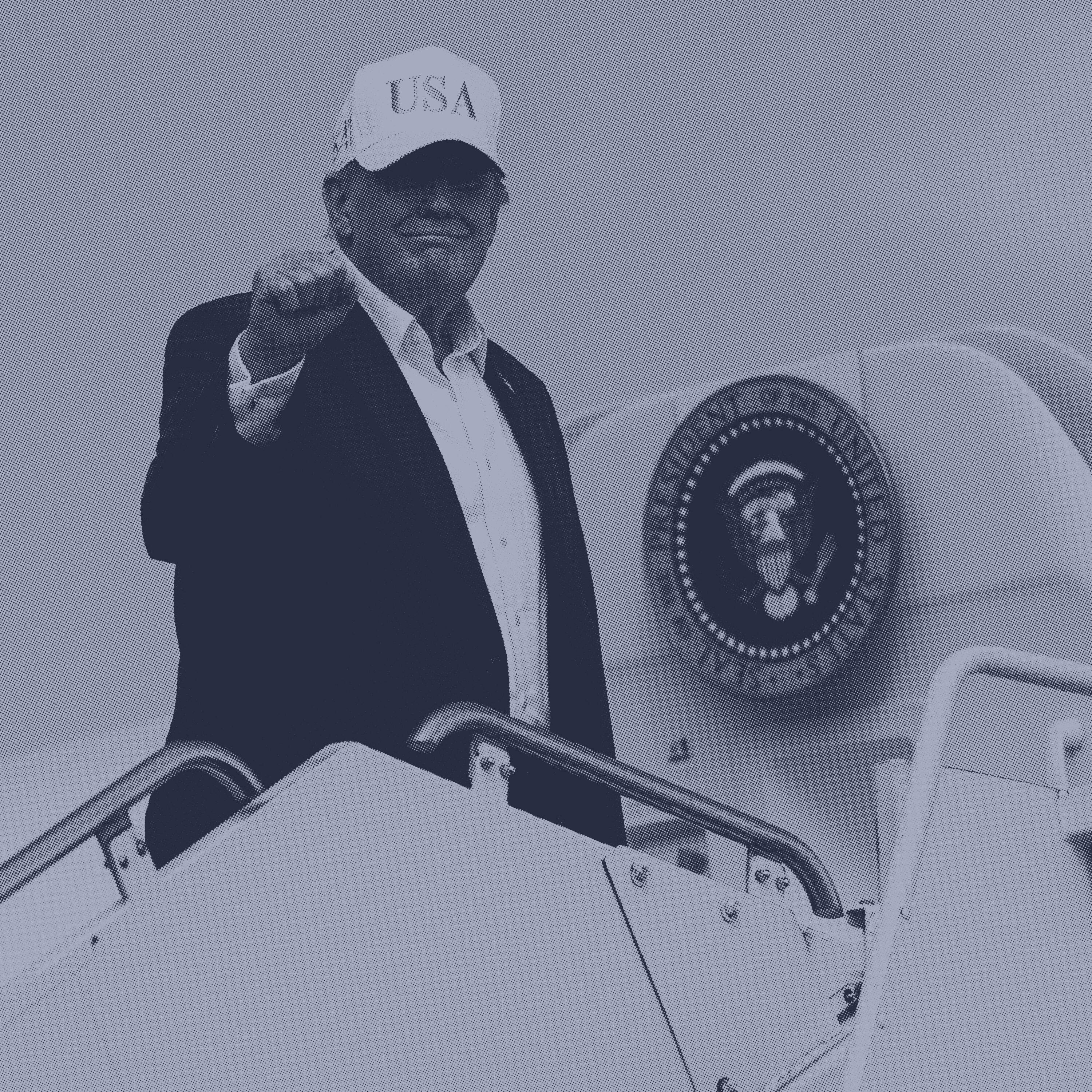
How Trump's focus on his legacy drives his decisions
The episode connects Trump’s response to immediate political and economic pressures with his longer-term effort to control how history remembers his presidency.
- 1Trump’s concern about a Hoover-like legacy colors his response to inflation, recession risks and the Iran conflict.
- 2Visible projects and institutional changes give Trump a way to pursue his stated ambition of being remembered as a peacemaker.
- 3The discussion places presidential legacy-making within broader questions about mortality, executive power and lasting accomplishments.
Don't miss
The hosts connect Trump’s fear of a Hoover legacy to the economic and political pressures surrounding the Iran conflict.
The brief
The hosts examine the stalled effort to reopen the Strait of Hormuz, weighing Iran’s demands, White House red lines and the war’s political and economic pressure on Trump.
A discussion of Herbert Hoover reveals Trump’s anxiety about being associated with economic collapse, even as the hosts stress that today’s economy differs substantially from Hoover’s.
Trump’s stated desire to be remembered as a peacemaker turns toward visible legacy projects, including the White House ballroom, the Kennedy Center and other branded changes.
The conversation widens beyond Trump to ask how presidents shape their legacies, with age, mortality, assassination attempts, executive actions and legislation all raising the stakes.
The episode’s central tension is between decisions made for immediate crises and the enduring image a president hopes those decisions will create in history.
 Miles Parks
 Tamara Keith
 Strait of Hormuz
 Herbert Hoover
 Donald John Trump
Books & mentions
Sources and Methods
A related NPR podcast featuring Mary Louise Kelly and former intelligence officials, promoted during the episode.
Listen to the full episode and explore every guest, topic, and moment on PodLume.