
Sep 21, 2026 · 16 min
Trump tests alliances through high-stakes diplomacy
Trump takes the world stage
The episode examines whether Trump’s transactional diplomacy is reshaping U.S. alliances, global institutions, and the balance of power with Russia and China.
- 1Trump’s week pairs a disputed Greenland security arrangement with a consequential appearance at the United Nations.
- 2Meetings with foreign leaders may matter more than formal proceedings as Trump favors transactional, one-on-one diplomacy.
- 3The Xi meeting exposes competing U.S. and Chinese signals on rare earths, Iran, technology, trade, and global influence.
Don't miss
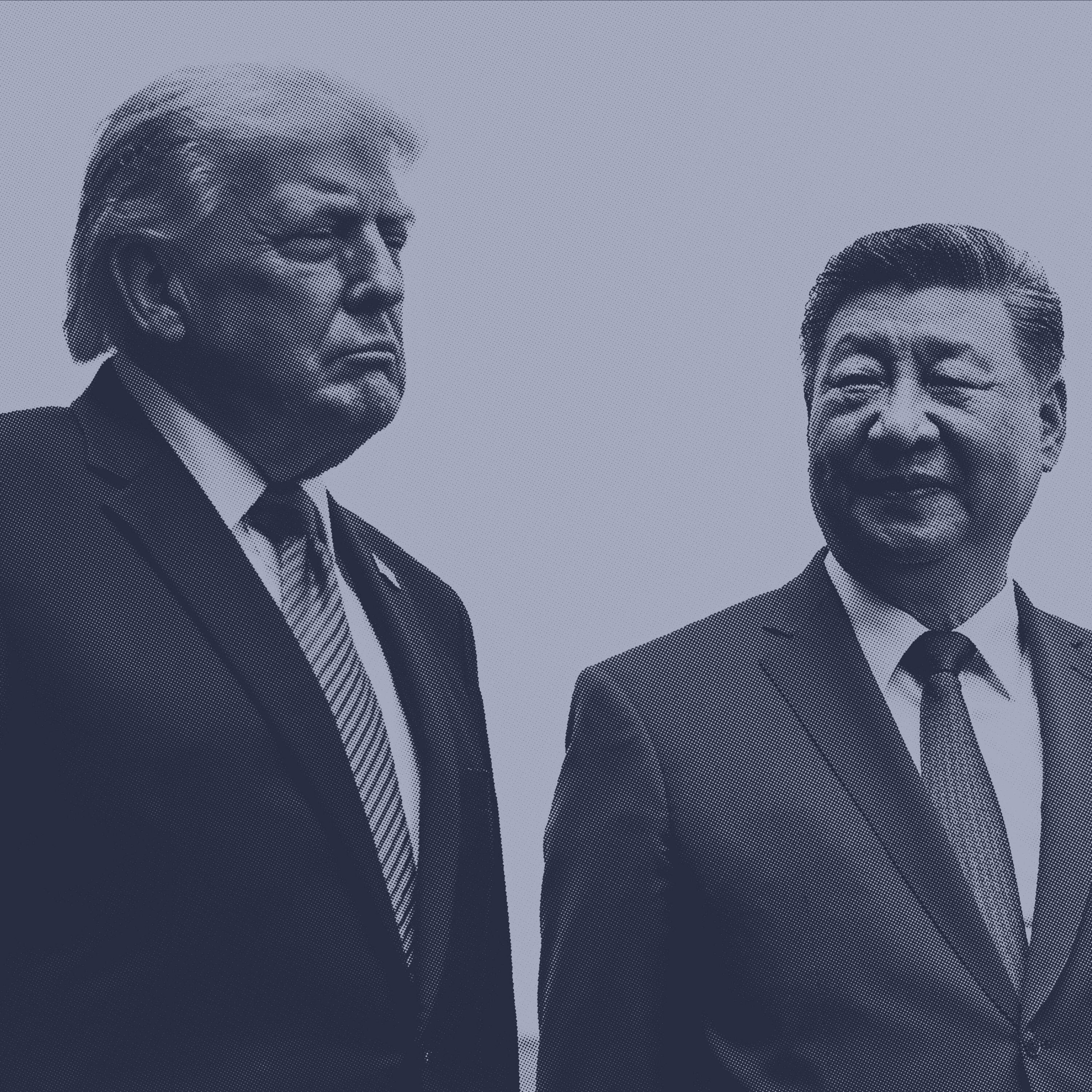
Xi Jinping’s reception at Joint Base Andrews serves as a striking symbol of Trump’s personal approach to diplomacy.
The brief
Trump’s packed week abroad brings together the United Nations, foreign-leader meetings, a disputed Greenland security arrangement, and Xi Jinping’s visit to Washington.
The Greenland announcement raises a basic question: does permanent U.S. responsibility change the security relationship with Denmark without transferring sovereignty or relying on a public agreement?
At the United Nations, Trump’s speech may be less consequential than bilateral meetings with leaders from Ukraine, Britain, the Gulf states, and Venezuela.
The Russia-Ukraine discussion centers on Trump’s pressure on Ukraine, Putin’s absence from the assembly, and sanctions aimed at Russia and Iranian-oil buyers.
Xi’s reception at Joint Base Andrews becomes a symbol of Trump’s personal diplomacy, while rare earth negotiations expose deep distrust beneath the proposed truce.
The episode’s larger question is whether Washington and Beijing are negotiating a new balance of power as multilateral institutions lose influence.
 Miles Parks
 Xi Jinping
 Greenland
Listen to the full episode and explore every guest, topic, and moment on PodLume.