
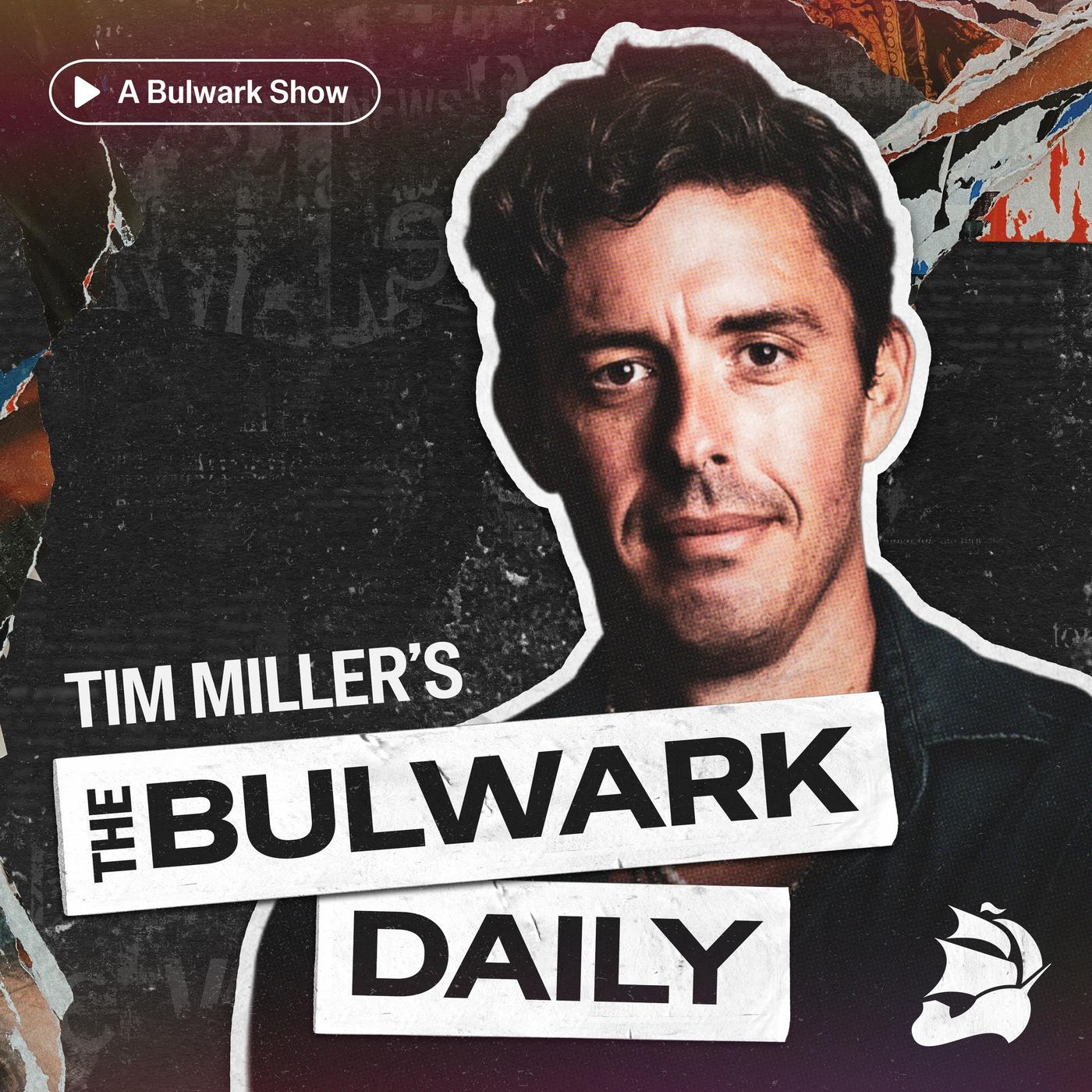
Sep 14, 2026 · 58 min
Trump allies face scrutiny over Russia ties and Republican drift
Bill Kristol: It Always Comes Back to Trump/Russia
The discussion connects foreign-policy inconsistency, extremist politics, economic frustration, and institutional silence to deeper questions about Republican governance.
- 1Trump-aligned foreign policy appears increasingly shaped by deference to authoritarian leaders and suspected oligarchic relationships.
- 2Kansas and Ohio races expose Republican vulnerabilities around war, tariffs, economic pain, and extremist candidates.
- 3AI safety warnings and Mitch McConnell’s public absence highlight gaps in political oversight and accountability.
Don't miss
Kristol and Miller argue that corruption and oligarchic relationships may be the only coherent explanation for the administration’s inconsistent foreign policy.
The brief
Tim Miller and Bill Kristol open with reporting on Trump-connected figures and Russian-linked corruption, then examine Jared Kushner’s Ukraine approach and the administration’s deference to Putin.
Their argument is that the Iran conflict, Russian support for Iran, and shifting official explanations make more sense through corruption and oligarchic relationships than coherent strategy.
Kansas becomes a test case: rising fuel prices, tariff retaliation, and antiwar messaging may let Democrats frame Roger Marshall as Trump’s spokesperson rather than Kansas’s advocate.
The conversation widens to Ohio, where extremist rhetoric and scandals threaten Republican candidates, while AI safety warnings raise questions about oversight, liability, and China’s access to chips.
A final discussion of Mitch McConnell’s unexplained public absence turns political silence into an institutional question: who is responsible when the Senate’s leadership appears absent?
Featuring
 Donald John Trump
 Roger Marshall
 Mitch McConnell
 Confederates in the Attic
Books & mentions
Listen to the full episode and explore every guest, topic, and moment on PodLume.