
Sep 18, 2026 · 26 min
Trade war squeezes small firms as Fed tensions mount
Caught in the Canada trade war crossfire
The episode connects cross-border disruption, tighter potential bank lending and household debt to the economic pressures facing businesses and consumers.
- 1U.S.-Canada tariffs are raising costs, delaying shipments and weakening commercial relationships for small cross-border businesses.
- 2Higher Treasury yields can reduce bond values and make banks more cautious about lending to credit-sensitive borrowers.
- 3LinkedIn now rewards credible professional presence, while excessive posting and AI-generated content can undermine job seekers’ trustworthiness.
Don't miss
Jillian Van Tyle’s decision to sell her home and rent it back eliminated her credit-card debt and improved her financial stability.
The brief
Kai Ryssdal, Catherine Rampell and Heather Long examine how Kevin Warsh might communicate with the White House while pursuing disinflation without damaging employment.
Rising Treasury yields can pressure banks twice: by reducing the value of existing bond holdings and by making lenders more cautious about borrowers’ credit quality.
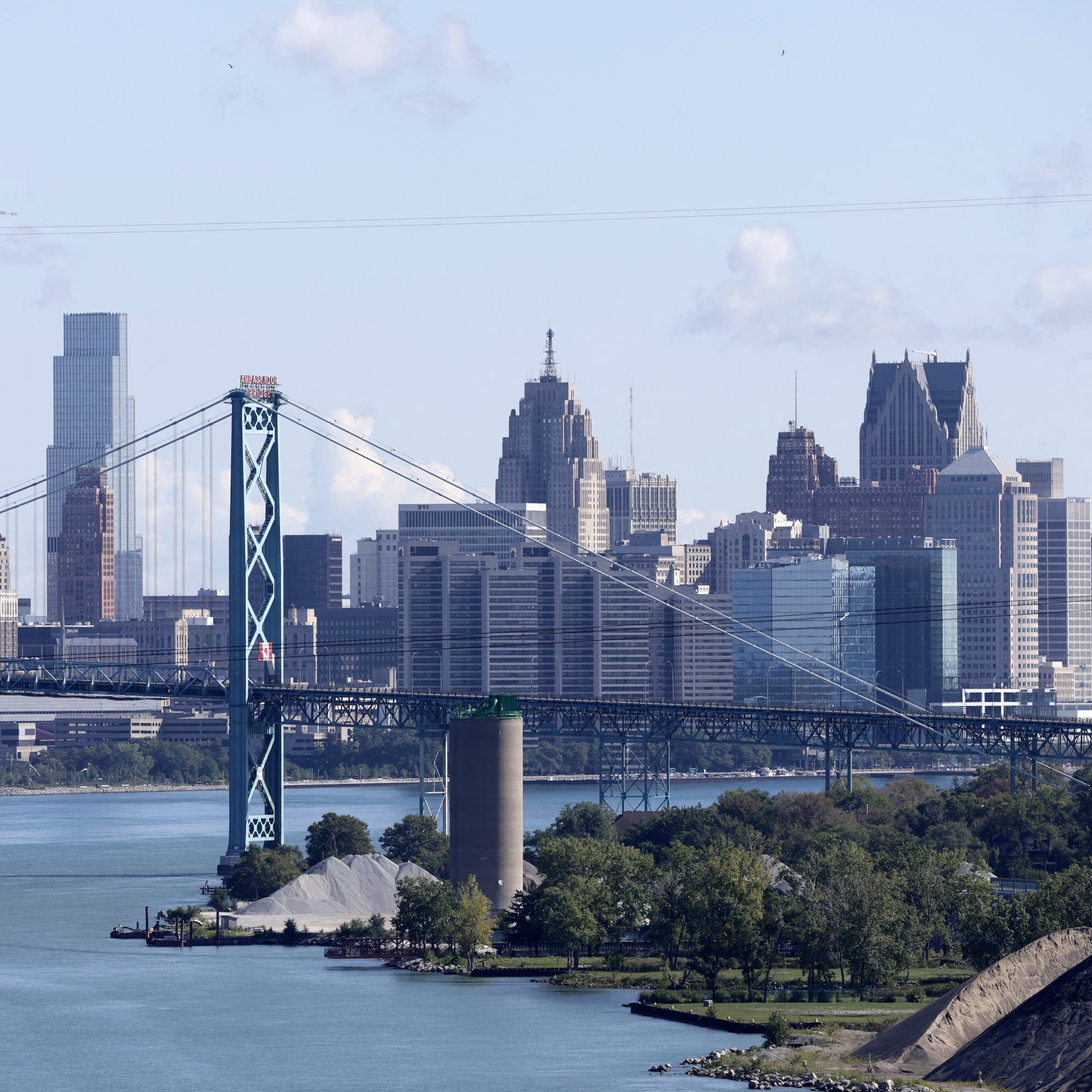
Across the U.S.-Canada border, cookie-cutter makers, equipment sellers, boat manufacturers and truckers face higher costs, delays and uncertainty from escalating tariffs.
Amanda Hoover explains how LinkedIn has become a more active recruiting arena, where authentic posting can help but excessive or AI-generated content can hurt credibility.
Jillian Van Tyle sold her home to an investor and rented it back, eliminating credit-card debt after refinancing and conventional renting proved unavailable.
The episode links policy uncertainty to everyday financial decisions, from cautious bank lending and record diesel prices to a homeowner’s effort to regain stability.
 Catherine Rampell
 Heather Long
 Kevin Maxwell Warsh
 Donald John Trump
Listen to the full episode and explore every guest, topic, and moment on PodLume.