
Aug 11, 2026 · 1h 7m
Tick bites expose the limits of one-size-fits-all health advice
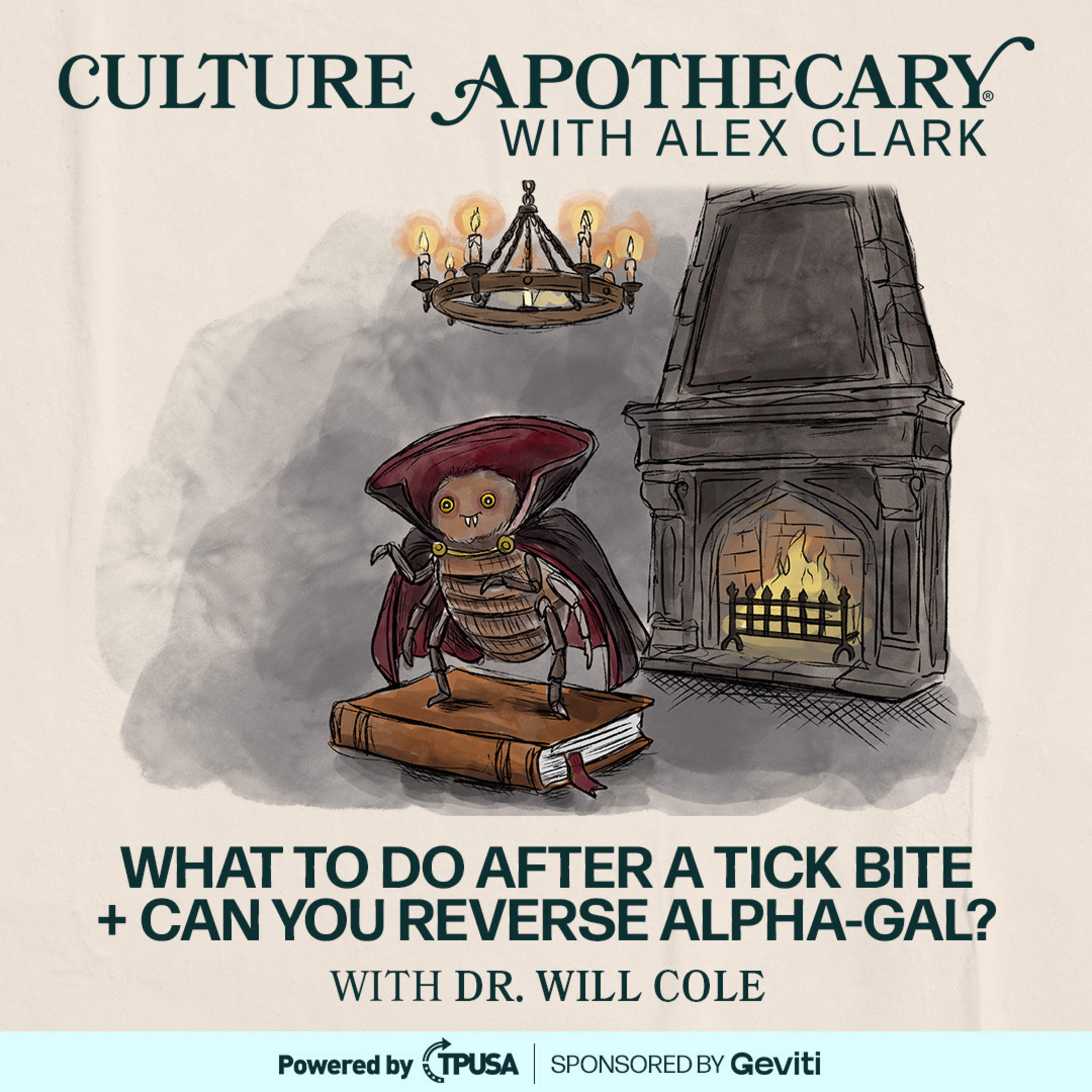
What To Do After a Tick Bite + Can You Reverse Alpha-Gal? | Dr. Will Cole
The conversation connects alpha-gal, histamine reactions, nervous-system stress, and metabolic health while stressing individualized evaluation over sweeping explanations.
- 1Tick exposure can precede alpha-gal symptoms, but testing, medical history, and symptom patterns require careful interpretation.
- 2Will frames immune dysregulation as cumulative, involving food, environmental stressors, trauma, and modern life rather than one isolated cause.
- 3The discussion pairs practical prevention and treatment questions with broader prescriptions: regulate stress, build resilience, spend time outdoors, and pursue purpose.
Don't miss
Cole’s practical post-bite advice—save and test the attached tick when possible—anchors a wider discussion about uncertainty, symptoms, and individualized care.
The brief
Alex Clark and Dr. Will Cole begin with alpha-gal syndrome, the tick-associated allergy that can make mammalian meat and dairy suddenly problematic.
Their health framework widens quickly: tick-borne illness, histamine intolerance, food sensitivities, stress, trauma, and environmental exposures are treated as overlapping possibilities, not automatic diagnoses.
After a tick bite, Cole recommends saving and testing the tick when possible, while acknowledging that symptoms, exposure history, and individual sensitivity shape what comes next.
The conversation then turns to nervous-system regulation, GLP-1 medications, and the tension between targeted medical tools and overreliance on restriction or appetite suppression.
Cole’s broadest prescription is also the simplest: take sensible tick precautions, spend time in nature, and reconnect health with purpose, faith, and human limits.
Featuring
 alpha-gal syndrome
 Ozempic
 The Art of Being Well
 Bible
BibleBooks & mentions

Listen to the full episode and explore every guest, topic, and moment on PodLume.