
Oct 2, 2026 · 30 min
Three forces are reshaping the beverage aisle
Where all those weird new drinks are coming from
Flavor science, functional ingredients, and affordable manufacturing have lowered the barriers to creating and selling new drinks.
- 1Flavorists combine aroma chemicals and essential oils to create increasingly unusual beverage profiles.
- 2Functional drinks turn trends in energy, hydration, sleep, gut health, and protein into new product categories.
- 3Contract manufacturing lets independent brands produce small runs without building their own factories.
Don't miss
Flavorman’s custom Planet Money drink combines yuzu, elderberry, and coconut water, with jambu adding a surprising tingling sensation.
The brief
The beverage aisle has expanded from familiar sodas into flavored seltzers, functional drinks, and niche wellness products, prompting Planet Money to investigate the economics behind the variety.
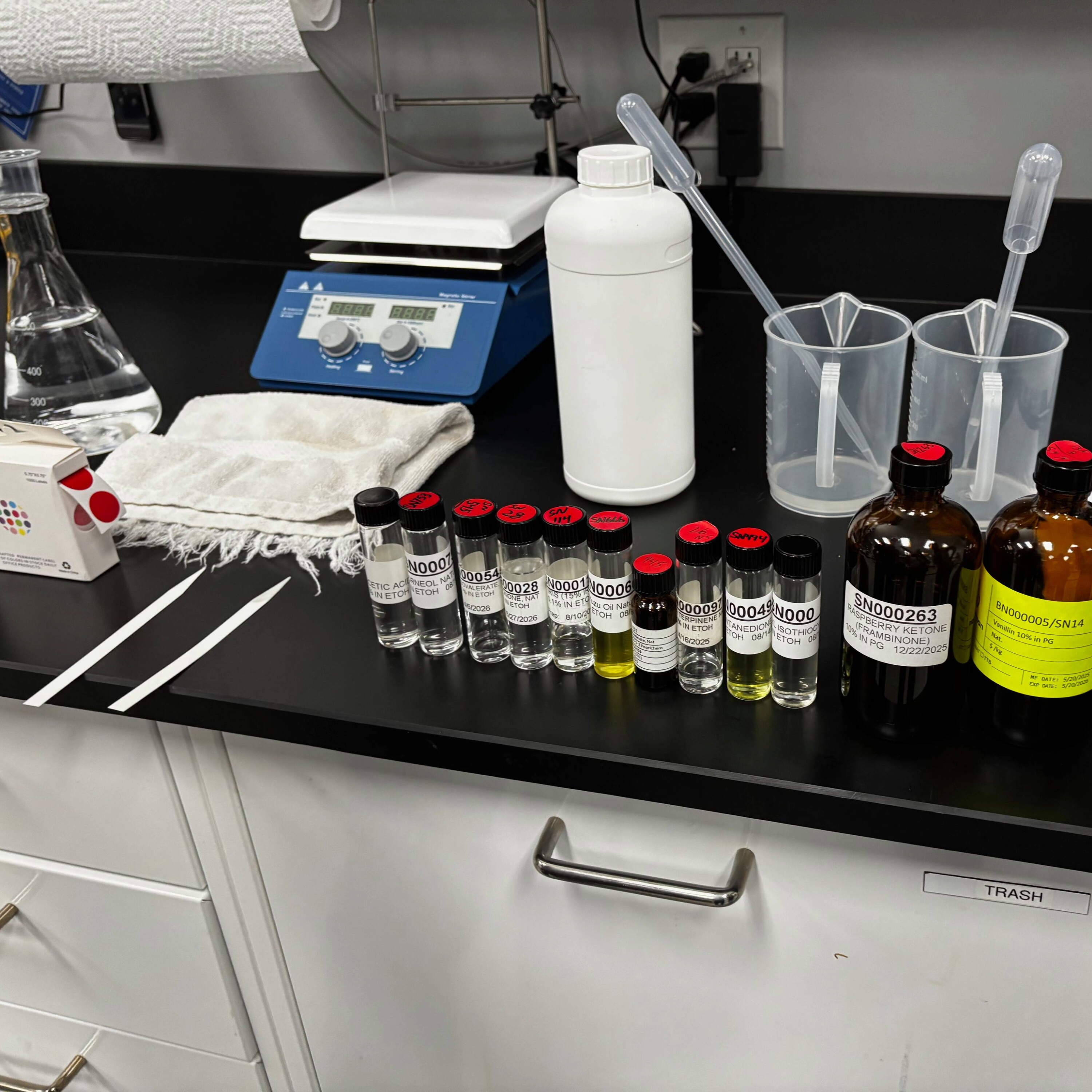
At Flavorman, flavorist Tom Gibson explains how aroma chemicals, essential oils, and improved ingredient supplies make complex and unusual flavors easier to build.
The innovation is also conceptual: prebiotics, protein, electrolytes, and other ingredients turn drinks into pitches about energy, hydration, sleep, or gut health—including pineapple-flavored beef broth.
Lower-cost contract manufacturing means small brands can afford limited production runs, opening the market to far more independent beverage companies.
Flavorman creates a Planet Money drink with yuzu, elderberry, and coconut water, then adds jambu for a deliberately engineered tingling sensation.
The episode’s central argument is that today’s drink explosion comes from the convergence of better flavor tools, functional claims, and accessible production.
Featuring
Mentioned
 Diet Coke
 Mountain Dew
Listen to the full episode and explore every guest, topic, and moment on PodLume.