
Aug 16, 2026 · 47 min
The thriller list blurs genre and literary fiction
What Makes a Killer Thriller?
The episode examines how suspense, character psychology, and social observation can make thrillers literary as well as compulsively readable.
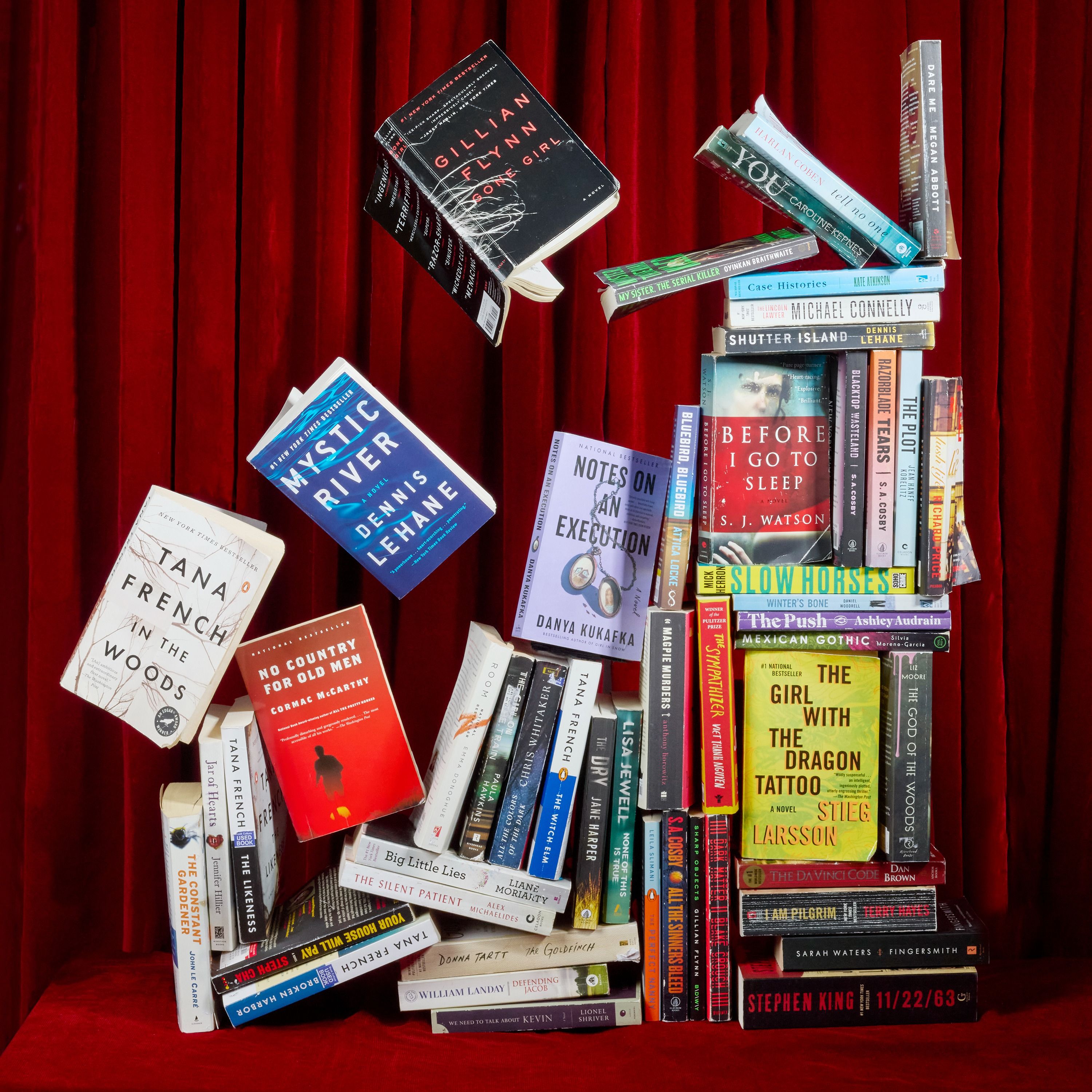
- 1The New York Times built its 50-thriller list from ballots by writers, editors, publishers, and other experts.
- 2Tana French treats mystery as a flexible structure for exploring identity, consequences, human behavior, and social forces.
- 3French’s unresolved central mystery shows that psychological and emotional questions can matter more than revealing a culprit.
Don't miss
Tana French explains why she deliberately left the central mystery in In the Woods unresolved, even though she knows the answer.
The brief
The New York Times assembled its 50 best thrillers of the 21st century through expert ballots, prompting a broader question: what separates genre formula from literary achievement?
Sarah Lyall argues that the strongest thrillers combine addictive pacing with characterization, psychology, and insight into human nature, citing books such as Case Histories and Tana French’s novels.
Tana French describes writing as discovery rather than execution: she often begins without knowing the culprit, rewrites extensively, and lets the mystery framework keep the story moving.
French explains why In the Woods leaves its central childhood mystery unresolved: the deeper questions concern identity, consequences, and change, not simply what happened.
For French, mystery is also a portrait of place and society, shaped by history, politics, and the human fascination with unanswered questions.
Featuring
 Tana French
 Sarah Lyall
 The New York Times
 Donna Tartt
 Agatha Christie
Books & mentions
Listen to the full episode and explore every guest, topic, and moment on PodLume.