
Sep 15, 2026 · 26 min
Tariff fears drive imports as workers split into two economies
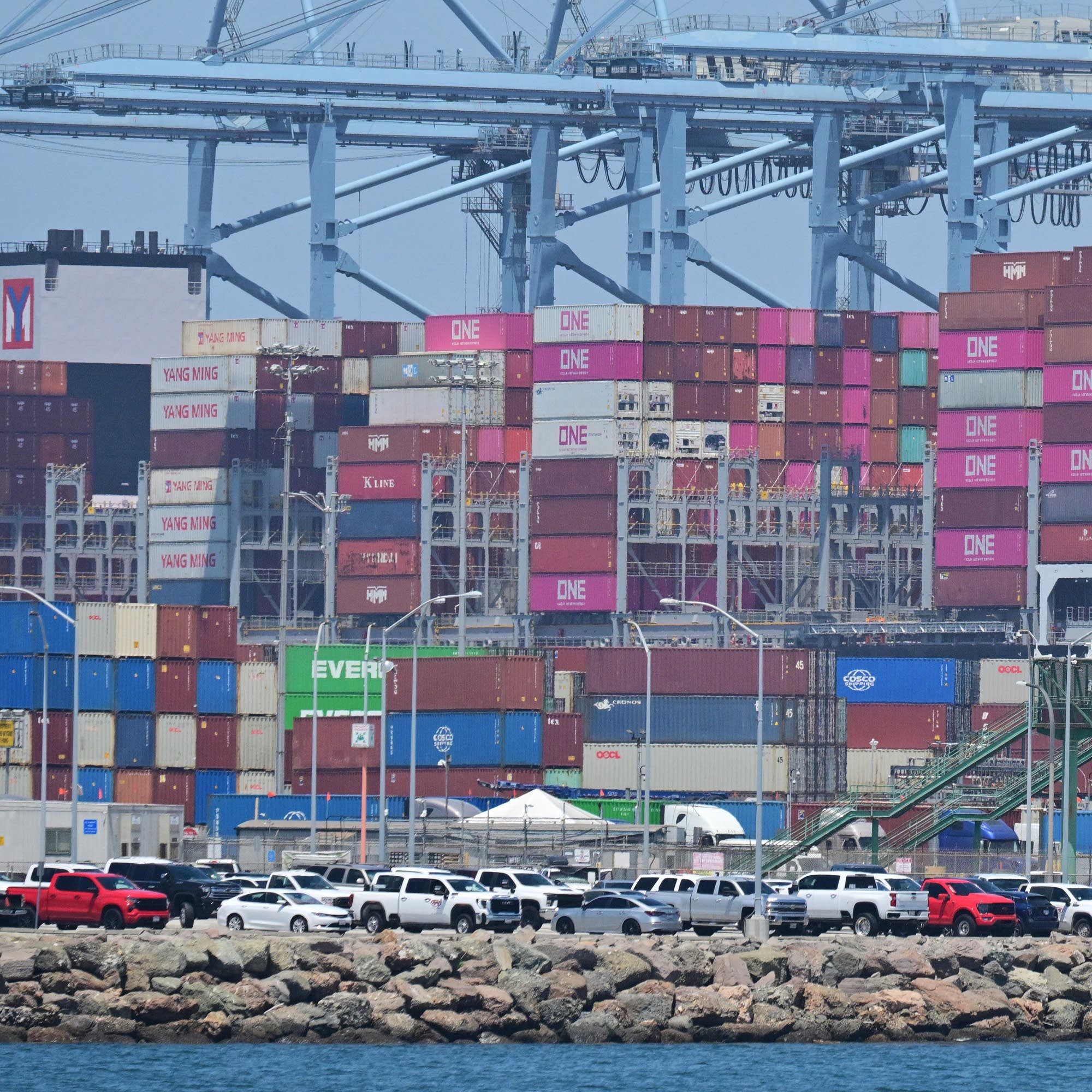
Imports are way, way up
The episode connects monetary policy, trade strategy, labor-market inequality and public safety to show how uncertainty is reshaping everyday economic decisions.
- 1Companies are accelerating imports because tariff uncertainty and inventory planning outweigh concerns about economic weakness.
- 2Workers without bachelor’s degrees are seeing stronger demand and wage growth while recent college graduates face a tougher market.
- 3Wildlife crossings reduce costly collisions, but federal funding falls far short of communities’ needs.
Don't miss
The Charging Bull story reveals how Arturo Di Modica’s guerrilla artwork became a valuable fixture on public land despite disputed ownership.
The brief
Markets are weighing whether a Federal Reserve rate hike is already priced in, while investors consider how further increases could affect spending and investment.
The labor market is splitting by education: workers without bachelor’s degrees are benefiting from demand and wage growth, while recent graduates face a weaker start.
Imports are surging despite uncertainty as companies bring inventory forward amid tariff concerns and geopolitical risk; domestic manufacturing cannot replace global sourcing quickly.
Wildlife crossings offer a practical response to dangerous, expensive collisions involving animals from pronghorn to desert tortoises, but demand exceeds federal funding.
The episode closes with Carter’s attempt to adapt to a shrinking kidswear market, the disputed history of Charging Bull, and new income and pay-gap data.
 Mitchell Hartman
 S&P 500
Listen to the full episode and explore every guest, topic, and moment on PodLume.