
Oct 5, 2026 · 14 min
Surviving bats reveal evolution under epidemic pressure
The genetic secret helping bats survive a deadly epidemic
Understanding why some little brown bats withstand white-nose syndrome could help explain population recovery and guide conservation.
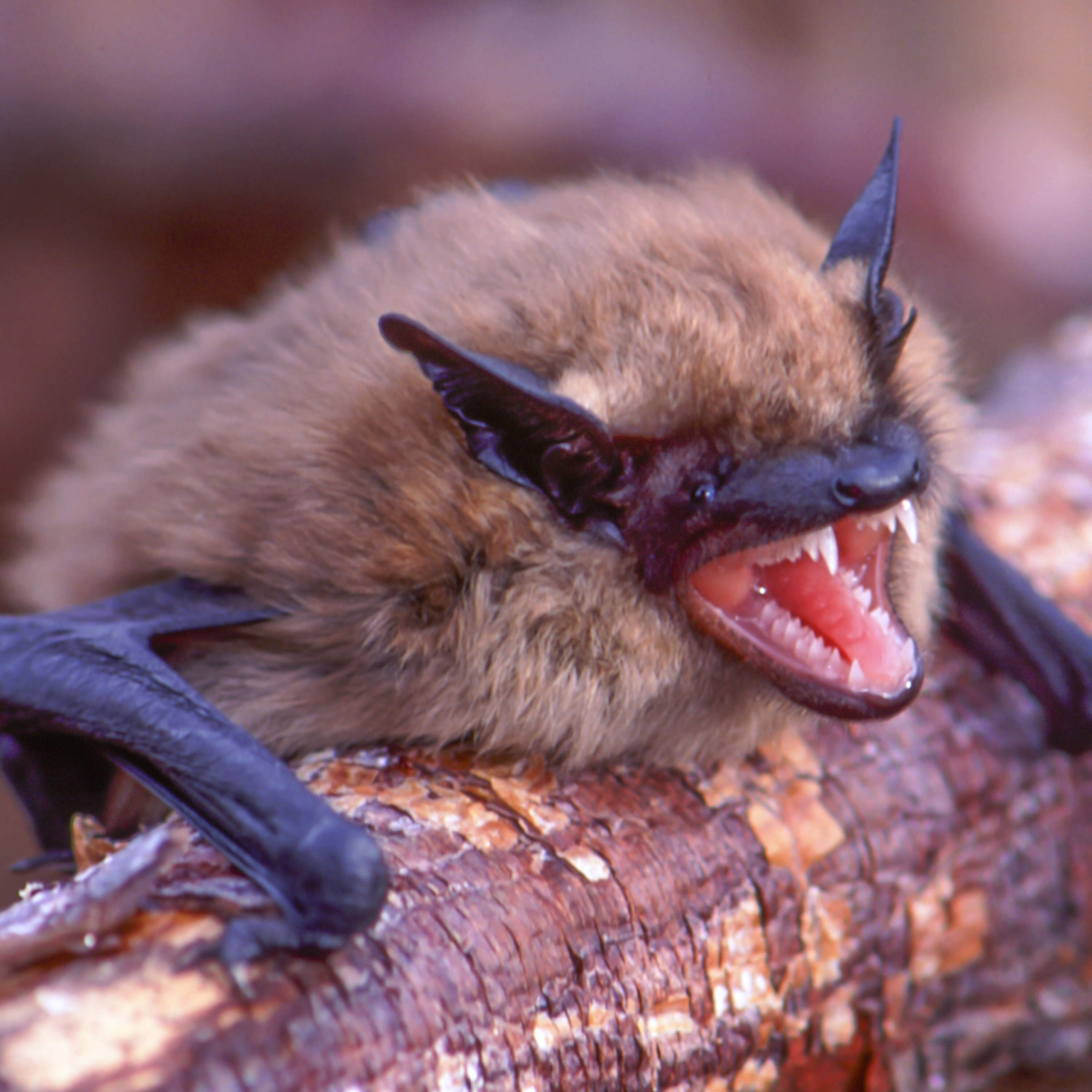
- 1White-nose syndrome repeatedly wakes hibernating bats, draining energy and killing more than 90% of many little brown bat populations.
- 2Survivors may carry genetic traits linked to body mass and fat reserves that help them endure repeated, costly arousals.
- 3The same adaptations may involve reproductive trade-offs, complicating how quickly affected bat populations can recover.
Don't miss
Georgia Oteri connects survival from white-nose syndrome with possible reproductive trade-offs, showing why adaptation may not immediately restore populations.
The brief
White-nose syndrome thrives in cool, humid caves and repeatedly disrupts hibernation, leaving little brown bats to die from starvation, dehydration, or harmful immune responses.
Georgia Oteri, a conservation wildlife biologist with Bat Conservation International, explains why surviving little brown bats offer a rare view of natural selection in action.
Researchers link an adaptive gene to greater body mass and fat reserves before hibernation, traits that may help bats pay the steep energy cost of waking repeatedly.
The episode’s sharpest tension is that survival may carry a reproductive cost: healthier nonreproducing females could endure winter better while slowing population recovery.
The bat survivors are not just a conservation puzzle; they are a test of how genes shape linked traits, trade-offs, and resilience under epidemic pressure.
Featuring
 Eurasia
Listen to the full episode and explore every guest, topic, and moment on PodLume.