
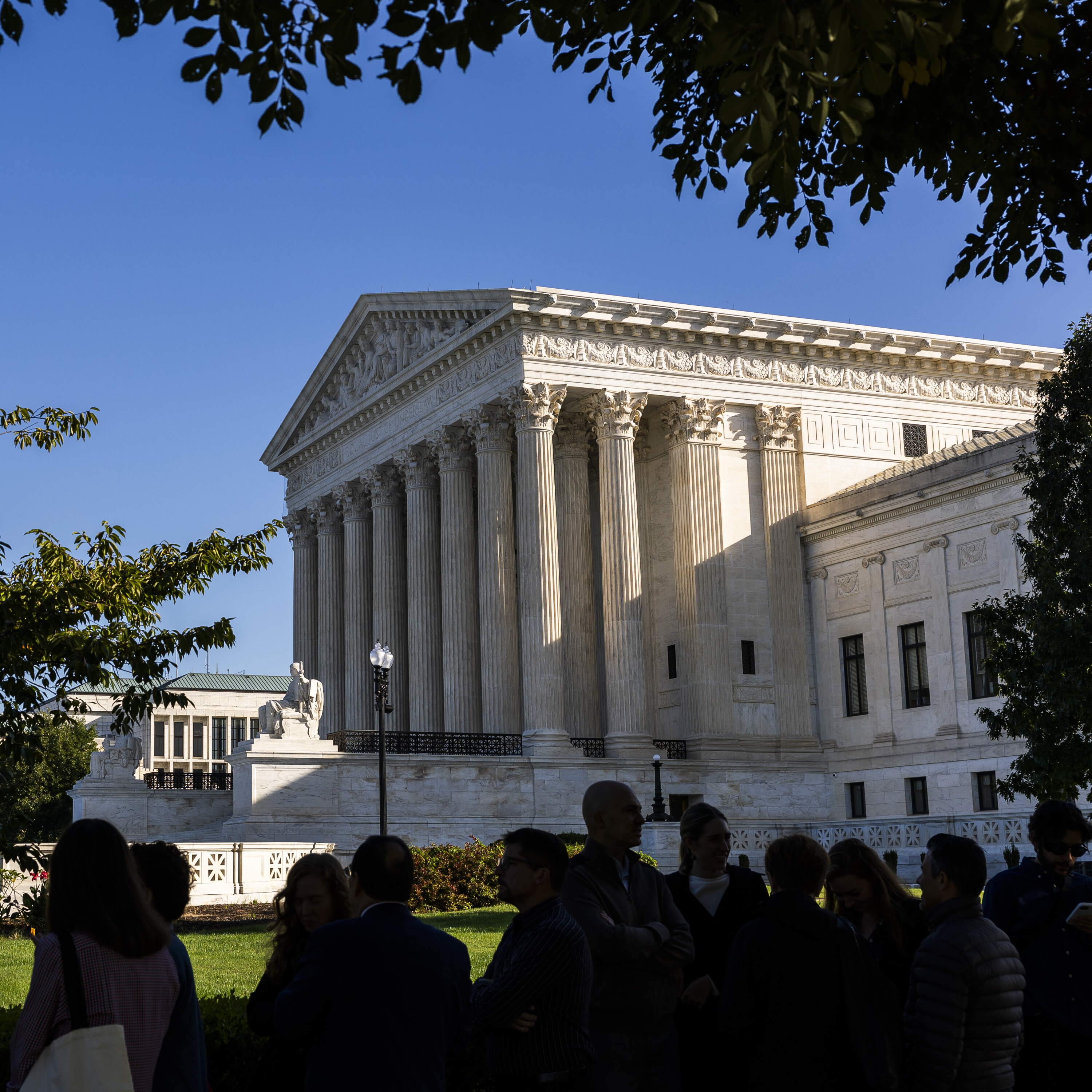
Oct 5, 2026 · 10 min
Supreme Court weighs Trump power and climate liability
The Supreme Court cases to watch this term
The term could reshape executive authority, church-state law, gun regulation, and whether states can pursue major climate-damage claims.
- 1Emergency appeals are rising as the Supreme Court hears fewer fully argued cases, changing how disputes reach the justices.
- 2The docket tests conservative approaches to religion and gun rights, including semiautomatic-weapons bans and a possible Ten Commandments case.
- 3Boulder’s climate lawsuit could determine whether billions in state-level claims against oil companies proceed across borders and industries.
Don't miss
The justices debate whether Boulder’s climate lawsuit can proceed and whether its implications extend to other cross-border harms.
The brief
The Supreme Court enters a consequential term as President Donald Trump’s agenda repeatedly reaches the justices, following major rulings from the previous term.
Nina Totenberg explains how Clarence Thomas’s decision to remain on the court coincides with more emergency appeals and fewer fully argued cases.
The docket includes disputes over religion, semiautomatic-weapons bans, and a possible Ten Commandments case, reflecting the court’s evolving church-state and gun-rights doctrine.
Carrie Johnson reports on Boulder’s effort to seek climate damages from Suncor and ExxonMobil, while the companies argue such claims belong in federal court.
The justices’ questions raised procedural concerns and broader stakes: a ruling could determine whether billions in climate claims proceed, including disputes involving AI and data centers.
Featuring
 Nina Totenberg
 Donald John Trump
 Clarence Thomas
 Supreme Court
 Brett Michael Kavanaugh
Listen to the full episode and explore every guest, topic, and moment on PodLume.