
Sep 25, 2026 · 13 min
Stronger El Niños raise global climate risks
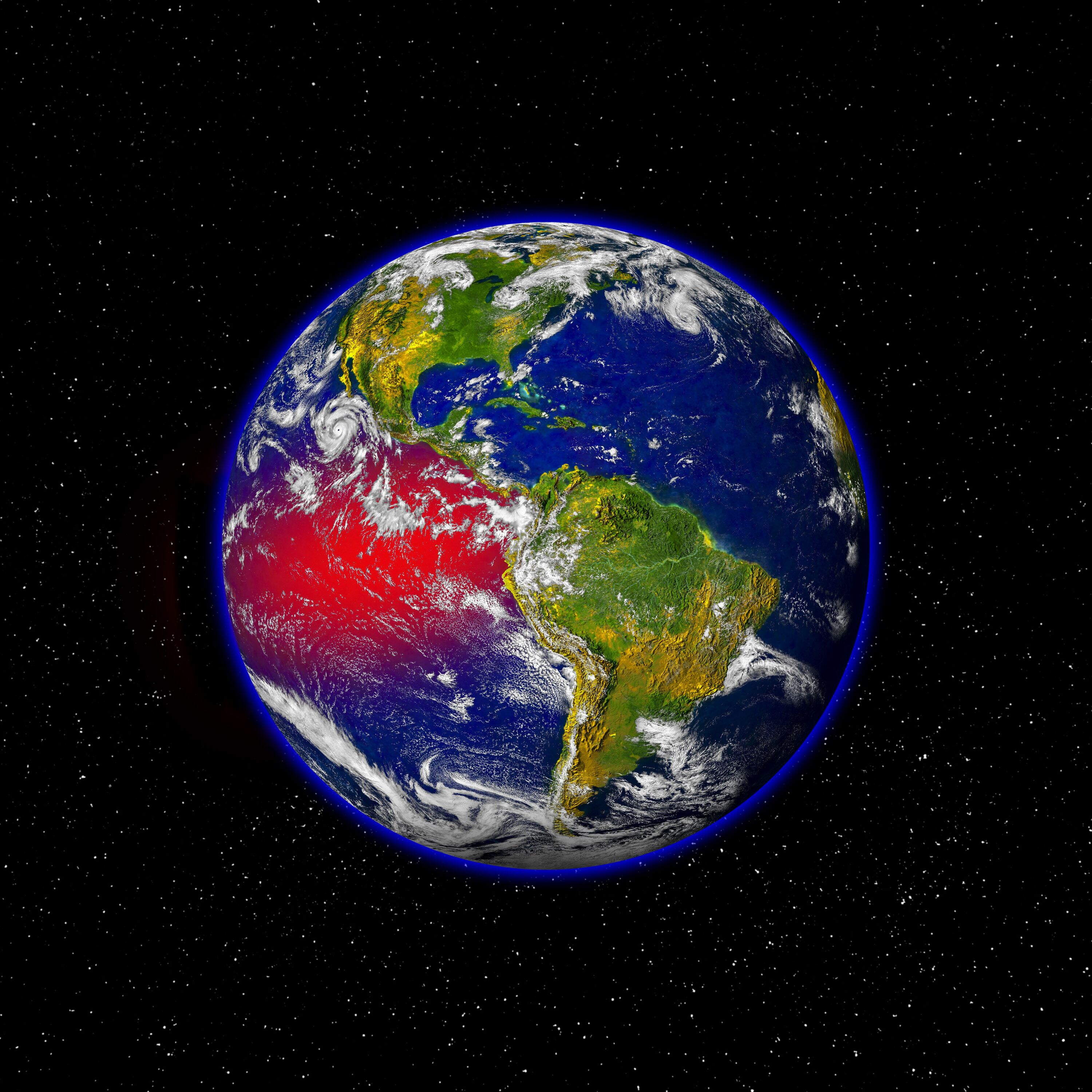
'Super' El Niño is coming. What should you expect?
Coral records suggest human-caused warming has already intensified El Niño variability, increasing hazards from floods and droughts to heat and coral bleaching.
- 1Galápagos coral records show ocean-temperature variability rose 36% over the past 40 to 50 years.
- 2Stronger El Niños can amplify flooding, drought, wildfires, heat, global temperatures, and coral bleaching.
- 3Communities can prepare by focusing on local hazards, from clearing drainage infrastructure to hardening homes and landscapes.
Don't miss
Julia Cole presents Galápagos coral evidence showing ocean-temperature variability increased 36% over the past 40 to 50 years.
The brief
An unusually strong El Niño raises a difficult question: is this natural variability, or evidence that human-caused warming is changing the pattern?
Julia Cole explains how warmer equatorial Pacific waters disrupt atmospheric circulation, exporting unusual weather and climate extremes around the world.
The standout evidence comes from long-lived Galápagos corals: their geochemical records show ocean-temperature variability was 36% higher over the past 40 to 50 years.
The increase is driven by stronger warm events, offering evidence of a human fingerprint while leaving uncertainty about any single future El Niño.
Stronger events raise risks for floods, droughts, wildfire, heat, coral bleaching, and recovery; preparation depends on the hazards facing each community.
Featuring
Mentioned
 Pacific Ocean
 Godzilla
Listen to the full episode and explore every guest, topic, and moment on PodLume.