
Aug 18, 2026 · 60 min
Social media turns girlhood into a marketable identity
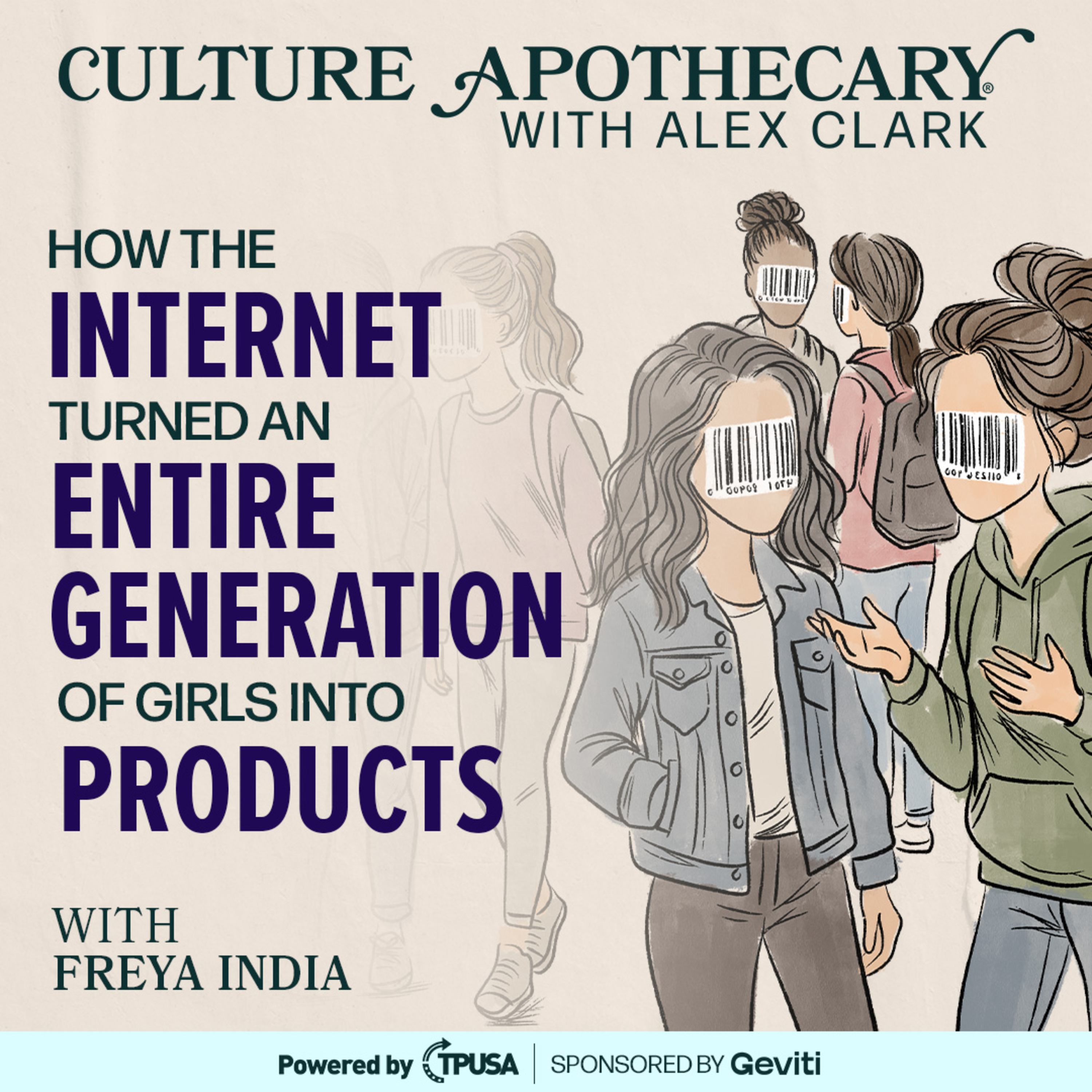
How the Internet Turned an Entire Generation of Girls Into Products | Freya India
The conversation examines how algorithmic pressure reshapes intimacy, mental health, faith, and community—and what genuine vulnerability might restore.
- 1Social platforms recast identity, appearance, relationships, and vulnerability as content to package, compare, and sell.
- 2Constant exposure intensifies anxiety, self-diagnosis, dating distrust, and the pressure to treat ordinary struggles as personal defects.
- 3Freya India argues that embodied community and genuine vulnerability offer a stronger remedy than performative wellness or personal branding.
Don't miss
Freya India identifies genuine vulnerability, rather than performative mental-health language, as a possible cultural remedy.
The brief
Freya India argues that algorithmic culture has turned Gen Z girlhood into a marketplace, where identity, appearance, relationships, and vulnerability become products.
The pressure is not simply to look good online; it is to judge every experience by how well it can be documented, displayed, and compared.
That logic reaches dating and mental health, encouraging defensive intimacy, casual self-diagnosis, and advice ecosystems that profit by manufacturing doubt.
The conversation extends the same concern to Christianity, asking whether prayer apps, livestreams, and culture-war identities can replace demanding communal faith.
Freya’s remedy is genuine vulnerability and embodied community rather than performative mental-health language, leaving a sharper question about living versus performing.
Featuring
Mentioned
 Girls, Generation Z and the Commodification of Everything
 social media
 Kylie Jenner
Books & mentions
Listen to the full episode and explore every guest, topic, and moment on PodLume.