
Aug 17, 2026 · 12 min
Snow drought tests Colorado’s mountain economy
Colorado’s snow drought deals a major blow to recreation
Colorado’s warming, less reliable winters are exposing how deeply mountain communities depend on snow, tourism, and water.
- 1A weak snow season strains ski areas and the wider economy, from restaurants and lodging to tax bases and public services.
- 2Snowmaking and industry consolidation helped resorts survive earlier droughts but increased pressure on water, workers, residents, and local control.
- 3Mountain towns are diversifying beyond skiing as snow droughts redirect attention toward reservoirs, summer resources, and community resilience.
Don't miss
Michael W. Childers connects the 1976–77 snow drought to the rise of snowmaking and consolidation, showing how past crises reshaped skiing.
The brief
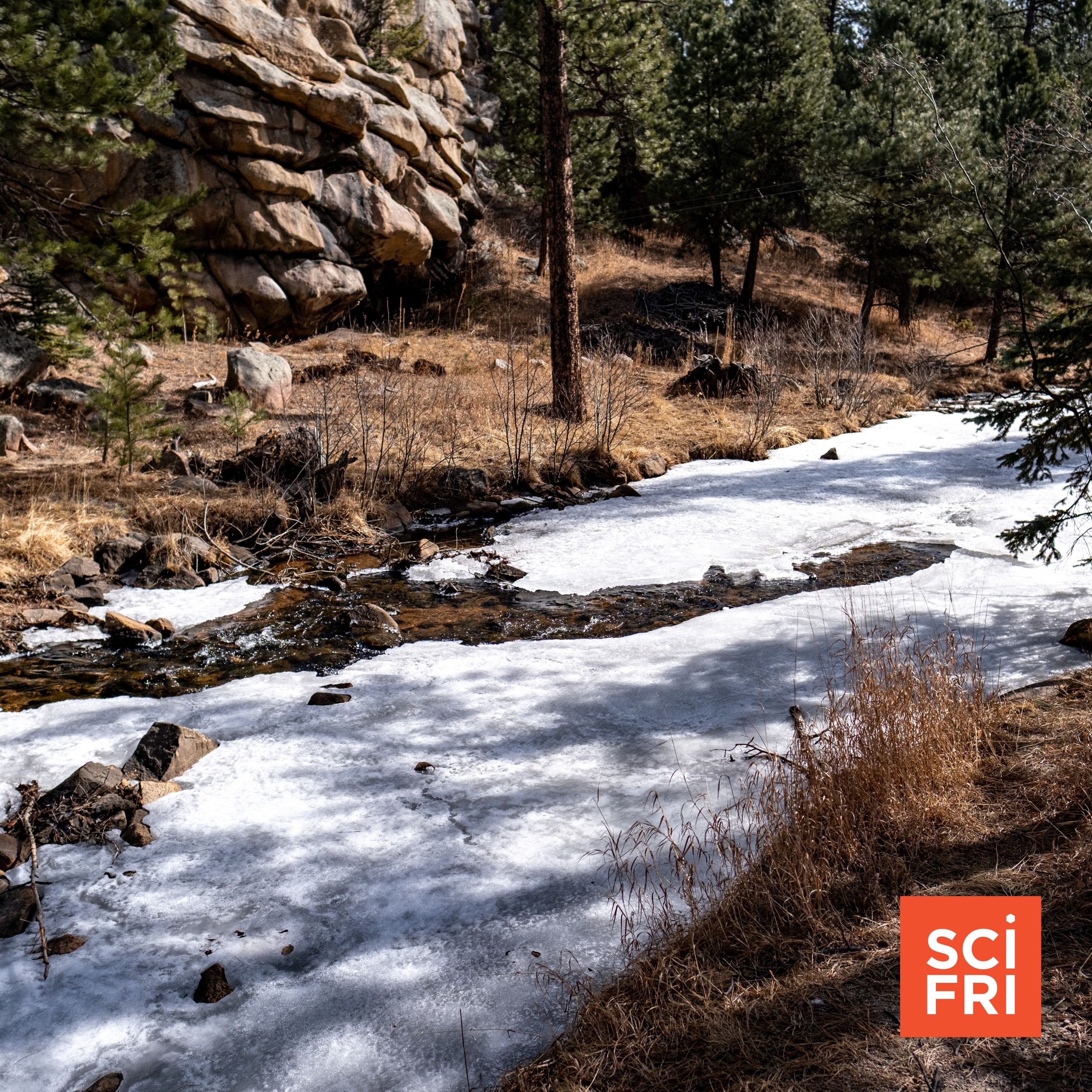
Record warmth and low snowpack disrupted skiing, fishing, farming, tourism, and recreation across Colorado, putting pressure on communities built around winter conditions.
Halle Zander describes Aspen’s delayed ski season, warm and low rivers, voluntary fishing closures, and businesses seeking new ways to survive a weak winter.
Environmental historian Michael W. Childers explains that a poor ski season reaches far beyond resorts, affecting lodging, restaurants, gas stations, tax revenue, and public services.
The severe winter of 1976–77 pushed ski areas toward snowmaking and consolidation, strategies that now function as insurance against unreliable snowfall while creating new costs.
As resorts promote mountain biking and other non-snow activities, large companies such as Vail Resorts and Alterra intensify debates over labor, affordability, and local control.
The drought shifted attention from daily ski conditions to reservoirs, water use, and summer resource management—evidence that the crisis extends beyond the slopes.
Featuring
Mentioned
 Vail Resorts
 Altera
 Aspen
AspenListen to the full episode and explore every guest, topic, and moment on PodLume.