
Aug 11, 2026 · 14 min
Small debt wins can beat perfect payoff math
I have $23,000 Total In Debt — Which One Should I Pay Off First?
The episode examines how motivation and sustainable progress can matter more than minimizing interest on paper when tackling debt.
- 1A mathematically optimal debt strategy can fail if it does not fit someone’s real life.
- 2Paying off smaller debts quickly can create motivation, momentum, and lasting progress.
- 3Anthony O’Neal connects debt advice to his experience of surviving extreme financial hardship at age 20.
Don't miss
Anthony O’Neal recalls having only $6.32 at age 20 and stretching one cheeseburger across two dinners.
The brief
Anthony O’Neal challenges the idea that debt decisions should be judged only by their mathematical efficiency, arguing that real-life sustainability matters more.
Research discussed in the episode supports the distinction between what works on paper and what helps people maintain progress in everyday life.
The central argument favors quick wins: eliminating smaller debts can change a person’s mindset, build momentum, and make continued repayment more likely.
O’Neal grounds the advice in a memory of being 20 years old with $6.32, stretching one cheeseburger across two dinners while broke.
The takeaway is practical rather than purely mathematical: the best payoff plan is the one that creates progress people can keep making.
Featuring
 The Daily
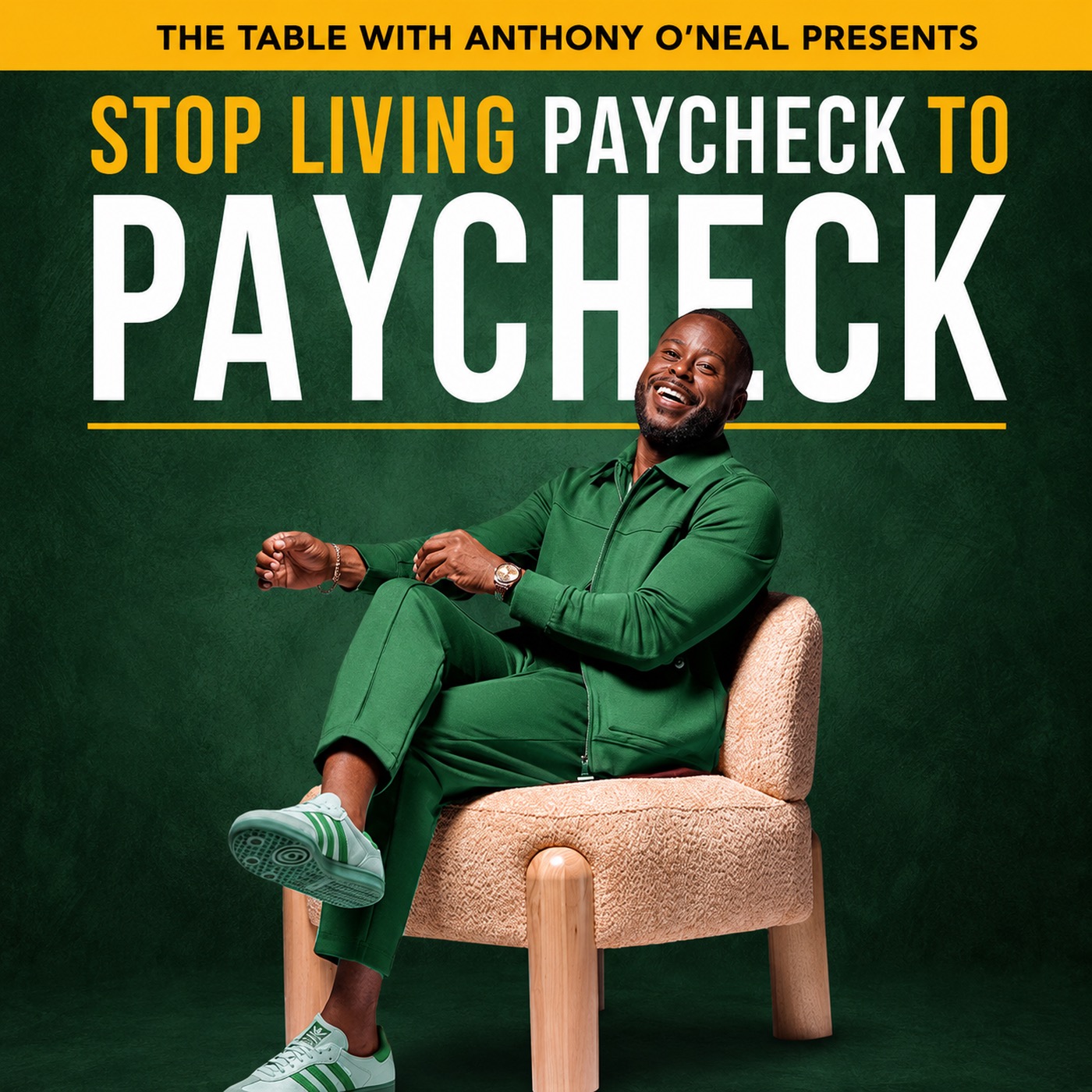
 Stop Living Paycheck to Paycheck
Books & mentions
Listen to the full episode and explore every guest, topic, and moment on PodLume.