
Aug 9, 2026 · 41 min
Silica dust drives a new wave of black lung
The black lung crisis deepens in Appalachia
Younger Appalachian miners are developing severe, incurable disease as regulators delay stronger protections against silica exposure.
- 1Silica dust from cutting rock is driving rapidly progressive black lung among miners working increasingly thin coal seams.
- 2Clinic records and dust-sampling data reveal thousands of excessive exposures and many cases missed by federal surveillance.
- 3New silica rules remain stalled while miners face devastating illness, inadequate respirators, and continued dangerous workplace exposure.
Don't miss
Danny Smith’s continuing struggle with advanced black lung, transplant efforts, and lost home turns the investigation’s findings into an intimate account of illness and endurance.
The brief
Howard Berkes revisits his investigation into black lung’s return, tracing how unusually young, severely ill miners exposed a crisis that stronger laws had once seemed to prevent.
Miners cutting through rock to reach thin coal seams inhale silica dust, which is more toxic than coal dust and can cause rapidly progressive, incurable disease.
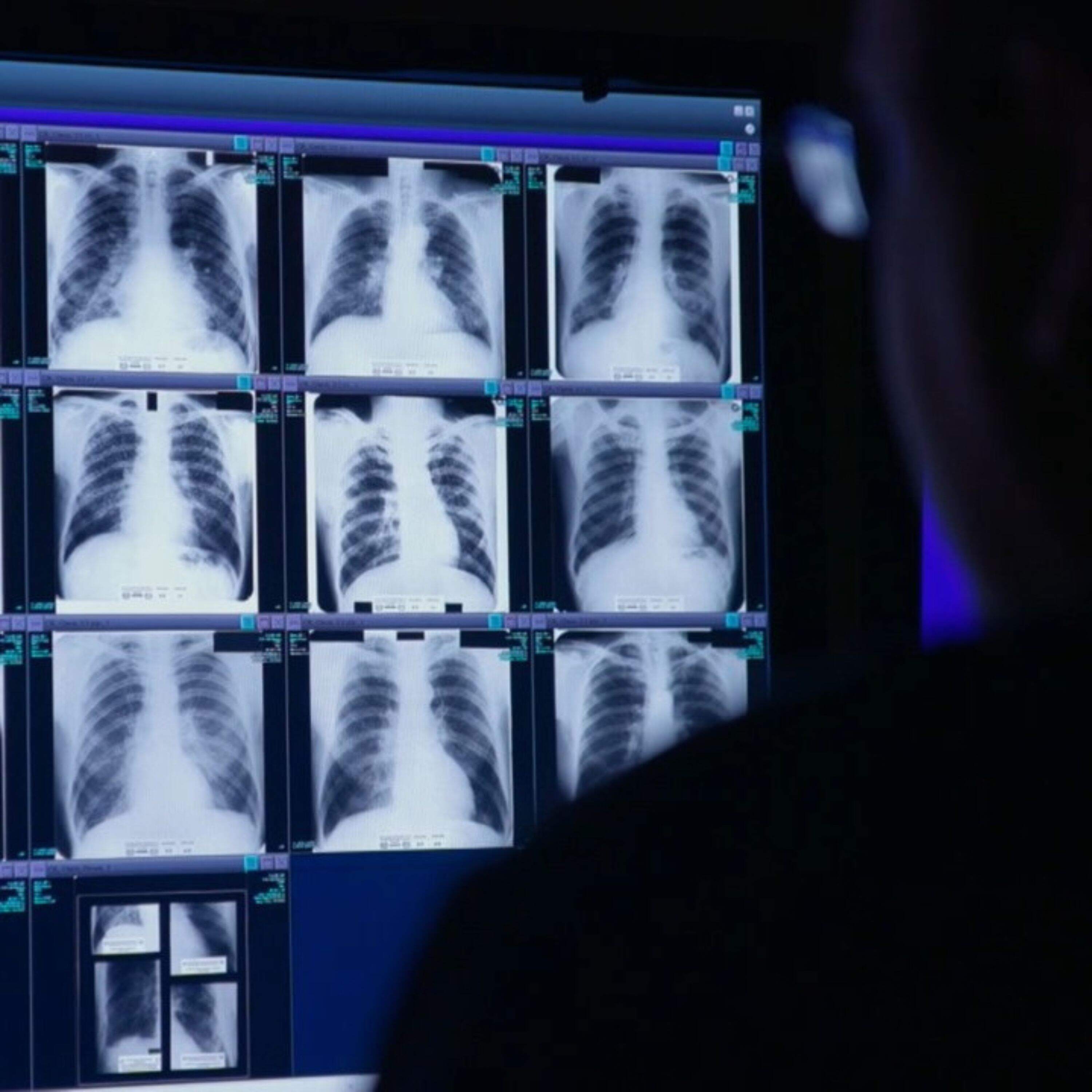
Clinic findings, legal records, and decades of dust samples revealed thousands of excessive exposures and many advanced cases missing from federal surveillance, especially among retired and laid-off miners.
The episode identifies ventilation, water sprays, slower machinery, and other controls as stronger protections than respirators, while regulators face evidence of years of inaction.
Danny Smith’s illness, lost home, transplant efforts, and hope of seeing more time with his family give the investigation’s statistics a human scale.
An update finds black lung among career Appalachian miners has risen from one in five to one in three, even as courts and the administration suspend enforcement of new silica rules.
Featuring
 Appalachia
Books & mentions
Listen to the full episode and explore every guest, topic, and moment on PodLume.