
Sep 1, 2026 · 13 min
Seashells reveal oceans under pressure
What can seashells teach us about the health of our oceans?
Shells connect human history and commerce to a measurable warning about how carbon dioxide is changing marine life.
- 1Mollusks build shells from seawater chemistry, making ocean acidification visible in their living architecture.
- 2Shells have carried cultural meaning and economic value, from ancient burials and Calusa mounds to Shell Oil’s origins.
- 3Mary Anning’s fossil expertise helped expand shell science, despite her discoveries receiving little recognition or compensation.
Don't miss
Cynthia Barnett explains how ocean acidification makes it harder for mollusks to build shells, turning living structures into climate evidence.
The brief
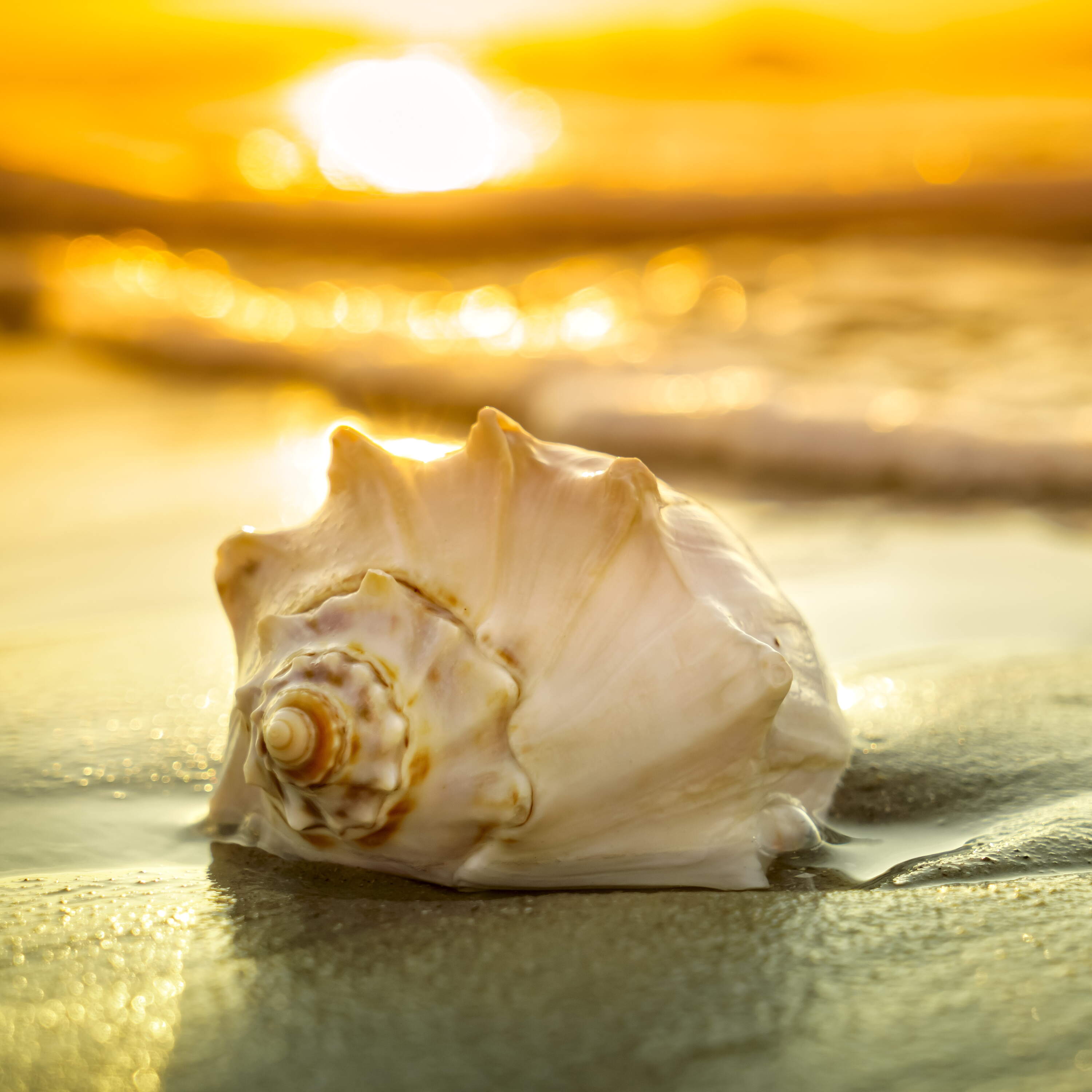
Cynthia Barnett presents seashells as living architecture: protective homes built by mollusks, not inert objects mistaken for rocks. Their structure begins with the chemistry of seawater.
The episode follows shells through human history, from a hand-notched cone shell buried with an infant in South Africa to Calusa shell mounds that challenge inaccurate accounts of Indigenous society.
Shells also became commodities. Victorian merchant Marcus Samuel’s shell-encrusted souvenirs helped launch the company that became Shell Oil, linking natural beauty to commercial extraction.
As excess carbon dioxide acidifies seawater and reduces carbonate availability, mollusks face greater difficulty building shells. Their living structures become climate sentinels.
Mary Anning’s fossil discoveries and expertise in shell taxonomy expose how women’s scientific contributions were overlooked, while the familiar shell-to-the-ear ritual gets a more complicated ending.
Featuring
 Cynthia Barnett
 Mary Anning
Books & mentions
Listen to the full episode and explore every guest, topic, and moment on PodLume.