
Sep 28, 2026 · 14 min
Scientists still cannot explain autumn’s red leaves
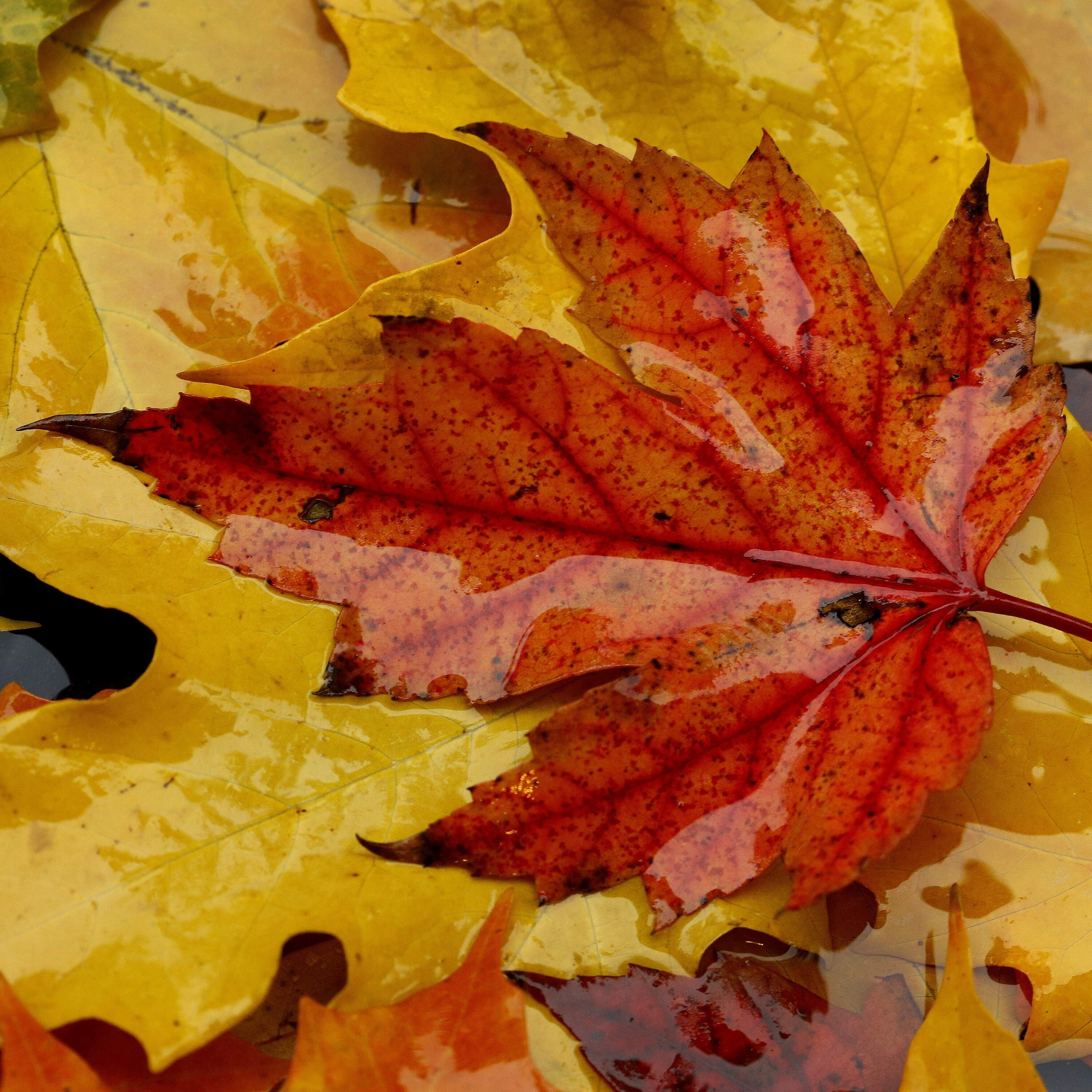
A fall mystery: why do only certain leaves turn red?
Red foliage may protect trees or repel insects, but its purpose remains unresolved across species and environments.
- 1Yellow leaves reveal existing pigments, while trees actively produce the red pigments that make autumn foliage mysterious.
- 2Red pigments may shield leaves from excess light as chlorophyll disappears, though evidence varies with species and conditions.
- 3Insects avoid some red leaves, yet color patterns within individual trees show that no single explanation fits every case.
Don't miss
Sweetgum branches displaying purple, yellow, green, and red leaves under the same conditions expose how incomplete the scientific explanation remains.
The brief
Yellow leaves simply reveal pigments left behind after chlorophyll breaks down; red leaves require trees to make new pigments, raising questions about the cost and purpose.
Nell Greenfieldboyce examines the leading photoprotection theory: red pigments may act like sunscreen as fading chlorophyll leaves cells vulnerable to excess light and damaging free radicals.
A competing idea treats red foliage as an insect warning signal. Experiments suggest some insects distinguish leaf colors, avoid red leaves, and fare worse on red trees.
The evidence resists a universal answer: sunlight, species, environment, and nitrogen may all matter, while parking-lot observations reveal differences scientists cannot yet explain.
The standout clue comes from sweetgums whose branches can be purple, yellow, green, and red at once—turning ordinary foliage into a research question.
Autumn color is therefore less a solved seasonal spectacle than a live investigation into how trees recover nutrients, manage light, and interact with insects.
Featuring
 Nell Greenfieldboyce
Listen to the full episode and explore every guest, topic, and moment on PodLume.