
Aug 14, 2026 · 18 min
Scientists search for species lost to science
How do you find a ‘lost’ species?
Species can vanish from scientific records long before anyone can determine whether they are extinct, making documentation an urgent conservation tool.
- 1Lost species require evidence-based searches through museum collections, historical records, and targeted field surveys.
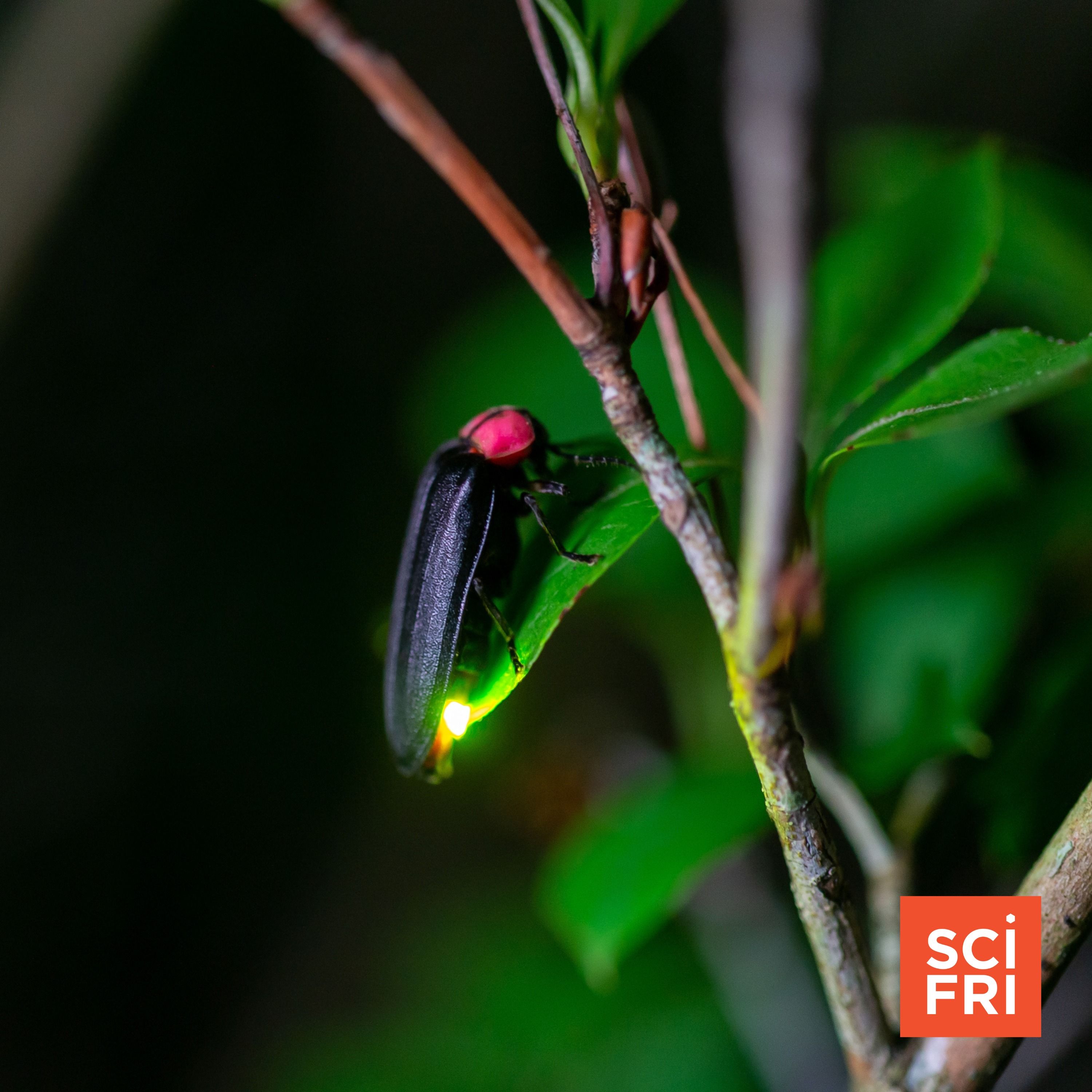
- 2Fireflies are especially difficult to rediscover because their habitats, seasons, activity windows, and identifying traits vary widely.
- 3The Firefly Atlas turns public observations into data that may help confirm missing species and guide conservation.
Don't miss
Candace Fallon describes searching for Nelson’s Desert Firefly despite knowing little about its life history, classification, or whereabouts.
The brief
A species can be “lost to science” without being officially extinct: it has disappeared from reliable records, leaving researchers to document decline before certainty arrives.
Biologist Matt Forister describes the Journal of Lost Species and the detective work of comparing museum collections, historical records, and field surveys while resisting unsupported claims of survival.
The Sacramento Mountains checkerspot helped motivate that journal, showing why species that researchers can no longer locate need a place in the scientific record.
Firefly researcher Candace Fallon explains why rediscovery is unusually difficult: species may have narrow seasonal and daily windows, specialized habitats, and poorly understood life histories.
Fallon discusses searching for Nelson’s Desert Firefly, missing since 2005, and a possible granular-necked firefly sighting that still requires expert confirmation.
The Firefly Atlas offers a practical response, inviting community observations that can expand the search for missing fireflies and strengthen the evidence around their status.
Featuring
Mentioned
Listen to the full episode and explore every guest, topic, and moment on PodLume.