
Sep 30, 2026 · 14 min
Scientists race to map Earth’s hidden biodiversity
How much of Earth's life is still undiscovered?
The species science has not yet documented could reshape conservation, medicine, and agriculture, but cataloging them raises daunting practical and ethical questions.
- 1Taxonomists have formally described roughly 2.5 million species, while estimates of undiscovered life range from millions to trillions.
- 2The Earth Biogenome Project could use genome sequencing to identify hidden diversity and preserve an archive of life’s evolutionary history.
- 3Cataloging biodiversity may aid conservation, medicine, and climate-resilient agriculture, though funding, access, and remote fieldwork remain major obstacles.
Don't miss
The episode connects genome archives to practical stakes, from protecting endangered animals and resilient corals to developing hardier crops.
The brief
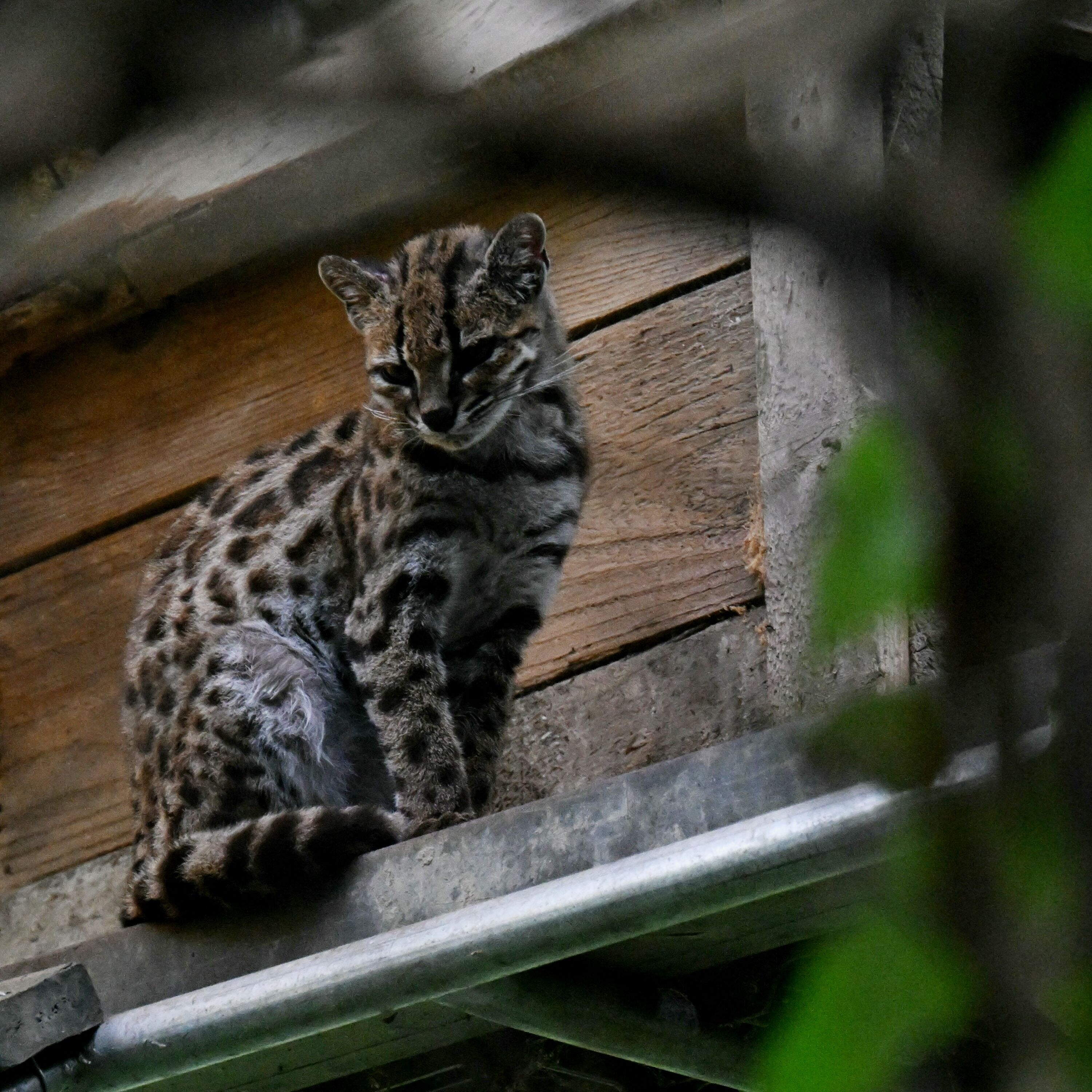
Scientists discover thousands of species each year, from new cats to penguins, yet those findings represent only a sliver of Earth’s undocumented life.
Taxonomy gives scientists a system for naming species, but estimates of what remains range from millions to trillions, including organisms living inside insects.
The Earth Biogenome Project aims to sequence every known eukaryotic species, creating a genetic reference library that can expose diversity hidden from sight.
That archive could help prevent extinctions, identify resilient corals, improve medicines, and guide crops through drought, heat, pests, and disease.
Sequencing is cheaper than during the Human Genome Project, but funding limits, biological-data nationalism, equitable access, and remote environments complicate the ambition.
 Carl Linnaeus
 Bolivian Amazon
Listen to the full episode and explore every guest, topic, and moment on PodLume.