
Jul 24, 2026 · 45 min
Quantum computing startups pivot to global integration to bypass hardware bottlenecks
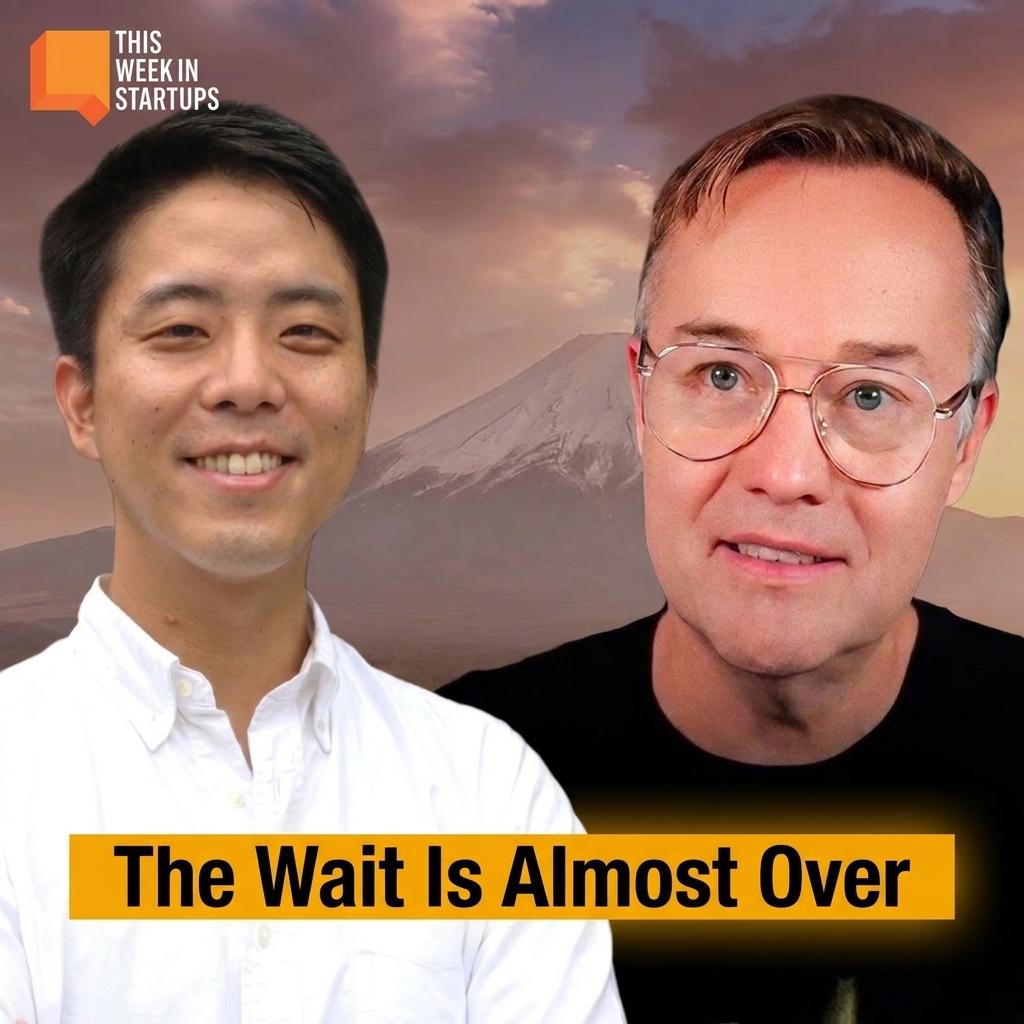
Why quantum has been "10 years away" for 30 years | E2316
As quantum hardware matures, the race to build stable qubits is shifting from academic theory to a global commercial and geopolitical scramble with massive cryptographic implications.
- 1The quantum hardware landscape is highly fragmented, with neutral atom technology emerging as a viable alternative to superconducting qubits.
The brief
While quantum computing has promised to revolutionize technology for decades, the field remains stuck in an experimental phase reminiscent of classical computing in the 1950s as researchers struggle to build stable, scalable hardware.
Kazuhiro Nakashoji, founder of Kyoto University spin-out Yaqumo, argues that the path forward lies in neutral atom technology and global supply chain integration rather than trying to build every complex component in-house.
By sourcing high-fidelity lasers globally and assembling them like a high-tech automaker, Yaqumo aims to bypass traditional academic bottlenecks and intellectual property hurdles that often stall Japanese deep-tech startups.
The integration of classical artificial intelligence is emerging as a critical savior for quantum hardware, playing a vital role in managing error correction and stabilizing qubits during complex calculations.
As quantum computing inches closer to commercial reality, its potential to break RSA cryptography presents a looming global security risk, driving intense geopolitical competition to secure quantum supremacy first.
Featuring
 Quantum Computing
 Japan
Japan Artificial Intelligence
Listen to the full episode and explore every guest, topic, and moment on PodLume.