
Oct 4, 2026 · 37 min
OpenAI bets persistent agents will reshape the internet
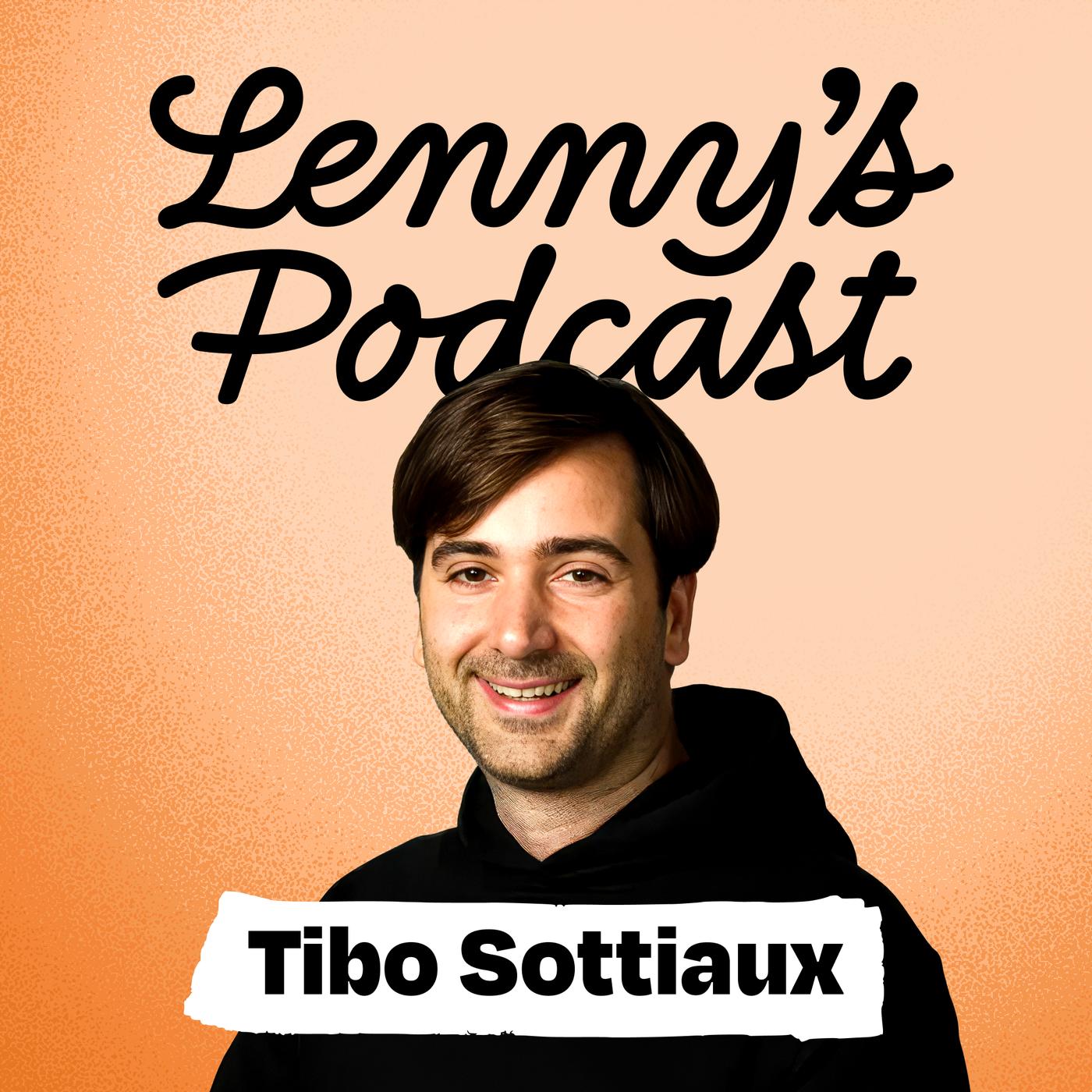
OpenAI’s Head of ChatGPT: We’re entering a new era of AI (again) | Tibo Sottiaux
The shift from chatbots to agents that remember goals and act across services could remake software, work, and the economics of the web.
- 1Persistent agents could replace manually configured workflows by learning users’ goals, preferences, and feedback across contexts.
- 2As agents perform more internet actions, products must redesign infrastructure, traffic models, partner economics, and safety systems.
- 3Human taste, empathy, attention, and ownership become more valuable as AI handles coding, configuration, and routine execution.
Don't miss
Sottiaux describes how a DOT detected a production outage shortly before a live demo and offered to help fix it.
The brief
Thibault Sottiaux presents DOTS as persistent personal intelligence: agents that learn goals, preferences, and feedback instead of forcing users to build manual loops.
The argument extends beyond convenience. If agents perform most internet actions, products will need to support agent-scale traffic and rethink infrastructure, discovery, and economics.
Sottiaux says AI should amplify human taste, empathy, creativity, and attention rather than replace them, especially as traditional roles blur and configuration becomes a burden.
His clearest example is a DOT that detected a production outage before a live demo and offered to help, with specialist agents operating behind added guardrails.
The endpoint is an interface that nearly disappears: users access powerful intelligence without managing model pickers, reasoning settings, or multi-agent configurations.
What was said on this episode
9 statements · 6 positive · 1 negative · 2 neutral
OpenAI will rapidly expand ChatGPT sign-in partnerships.
“I'm excited to grow that very quickly.”
Listen at 12:32
ChatGPT plugin infrastructure may provide distribution to approximately 1.2 billion users.
“allowing, you know, everyone to ship something to like maybe 1.2 billion users”
Listen at 12:42
Popular, heavily used ChatGPT plugins will receive a share of revenue.
“they're going to get part of like the, the revenue share as well”
Listen at 13:01
OpenAI’s commitment to an open ChatGPT ecosystem will be highly valuable or exciting.
“this commitment towards an open ecosystem is going to be very exciting.”
Listen at 13:04
ChatGPT recommends plugins based on retention, success, and quality.
“we look at retention numbers. We look at how successful the plugin, the quality, and then that's what we then start to recommend to users in conversations.”
Listen at 13:57
Low-quality plugins will lose ChatGPT recommendation exposure.
“if your plugin is not quite good, it will stop being recommended.”
Listen at 14:11
Plugin utility is evaluated by whether it enables additional ChatGPT functionality.
“Is it, is it actually adding utility? Is it, you know, enabling ChatGPT to do something else?”
Listen at 14:19
The current ChatGPT app marketplace is the correct approach.
“this one is the right one.”
Listen at 14:37
The current ChatGPT app marketplace will succeed.
“This one's going to work.”
Listen at 14:39
Statements are attributed to the speaker as said on the episode and reflect their view at the time, not PodLume's. They are not advice.
Featuring
 OpenAI
Books & mentions
Listen to the full episode and explore every guest, topic, and moment on PodLume.