
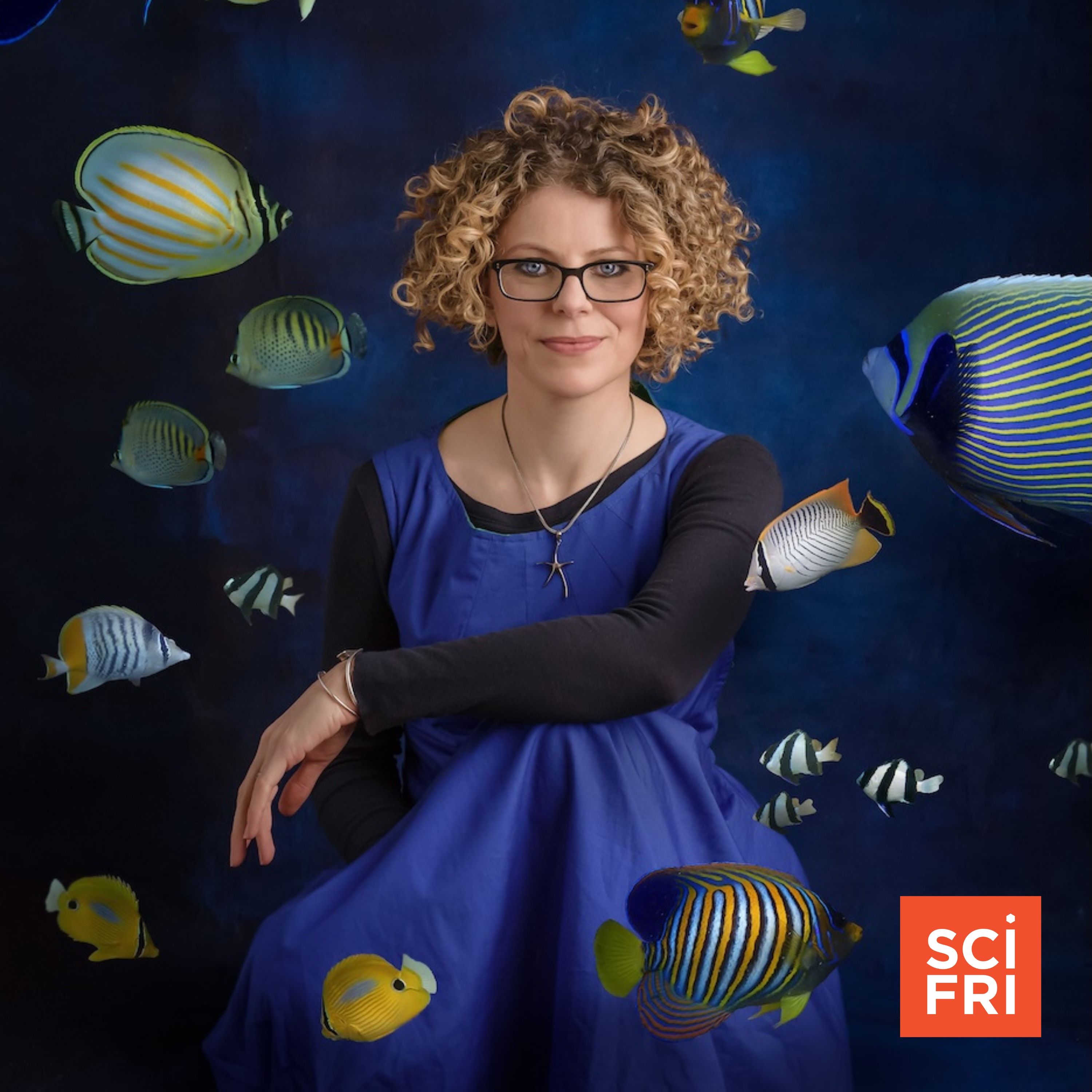
Sep 1, 2026 · 18 min
Ocean recovery depends on changing the stories we tell
The power of the stories we tell about the ocean
The episode connects severe marine threats with evidence that ecosystems can recover when public values, institutions, and conservation efforts change.
- 1Marine ecosystems face overlapping pressures, but their capacity to recover makes conservation choices consequential.
- 2Whale recoveries show that storytelling can shift public attitudes and help turn concern into protection.
- 3Personal encounters and institutional representation can give the ocean a stronger voice in human decisions.
Don't miss
Helen Scales explains how encounters with whales and other marine animals can create an enduring emotional bond with the ocean.
The brief
Helen Scales lays out an ocean under pressure from warming, overfishing, pollution, acidification, and possible deep-sea mining, while arguing that recovery remains possible.
The return of great whales shows how marine life can rebound—and how stories helped change public attitudes after industrial whaling.
A close encounter with a right whale becomes a meditation on scale, eye contact, and the feeling of recognizing another living being.
The Scottish Association for Marine Science appointed the ocean as a trustee, giving its interests a formal place in institutional decisions.
The discussion of “dark oxygen” links a striking deep-sea discovery to the unresolved question of whether mining should disturb seafloor ecosystems.
From a deep-sea turtle to a manta ray, intimate encounters show how individual memories can become durable commitments to the wider ocean.
Featuring
 Helen Scales
Mentioned
 Great Barrier Reef
 What the Wild Sea Can Be, The Future of the World's Ocean
Books & mentions
Listen to the full episode and explore every guest, topic, and moment on PodLume.