
Aug 7, 2026 · 21 min
Neuroplasticity challenges the belief that people stay stuck
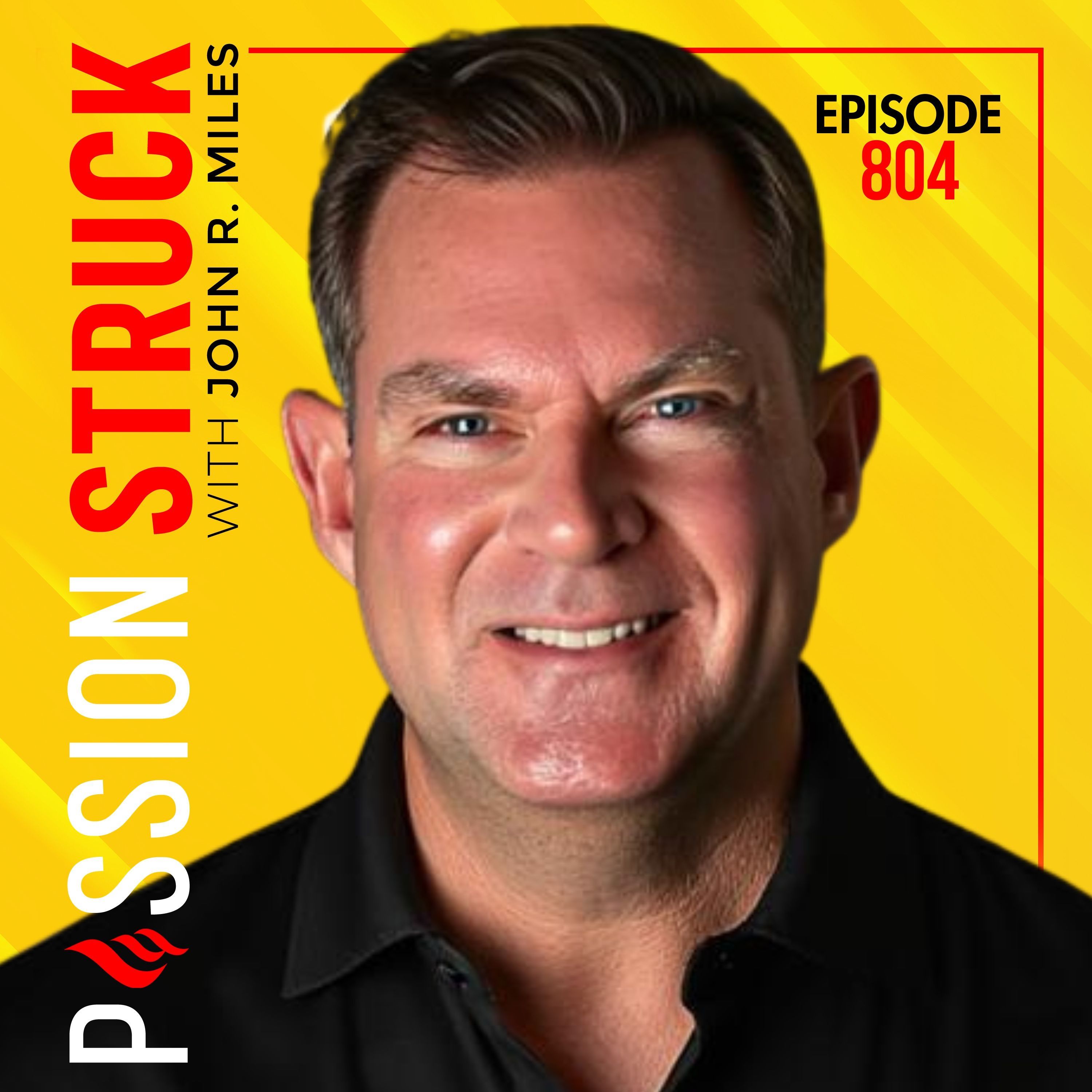
Why You're Not Stuck the Way You Think You Are | John R. Miles - EP 804
The episode reframes personal change as an ongoing brain process while linking individual growth to resilience and social trust.
- 1Repeated thoughts, emotions, and behaviors can reshape the brain rather than merely reinforce a fixed personality.
- 2Neuroplasticity offers a framework for building resilience and changing patterns that feel permanent.
- 3Trust between groups strengthens cooperation and helps societies remain resilient during crises.
Don't miss
The episode’s key turn comes when a discussion of neuroplasticity expands into the role of trust in resilient societies.
The brief
John R. Miles opens by challenging the idea that habits, emotions, relationships, and circumstances permanently define a person, introducing the brain’s capacity to change.
The episode draws on examples including Daniel Amen, Richie Davidson, Yongey Mingyur Rinpoche, and Phineas Gage to examine how brains and behavior can change.
Its central argument is practical: repeated thoughts, emotions, and behaviors help shape the brain, making intentional growth possible even when old patterns feel fixed.
The discussion then widens from personal change to social trust, arguing that cooperation across groups supports resilience when communities and institutions face crises.
The closing reflection links practicing change in the brain with the broader work of building trust, offering a more expansive definition of resilience.
 Daniel Amen
 Yongey Mingyur Rinpoche
 Phineas Gage
 The Power of Us
 Passion Struck
Books & mentions
Listen to the full episode and explore every guest, topic, and moment on PodLume.