
Aug 11, 2026 · 35 min
Missile shortages expose a widening U.S. strategic vulnerability
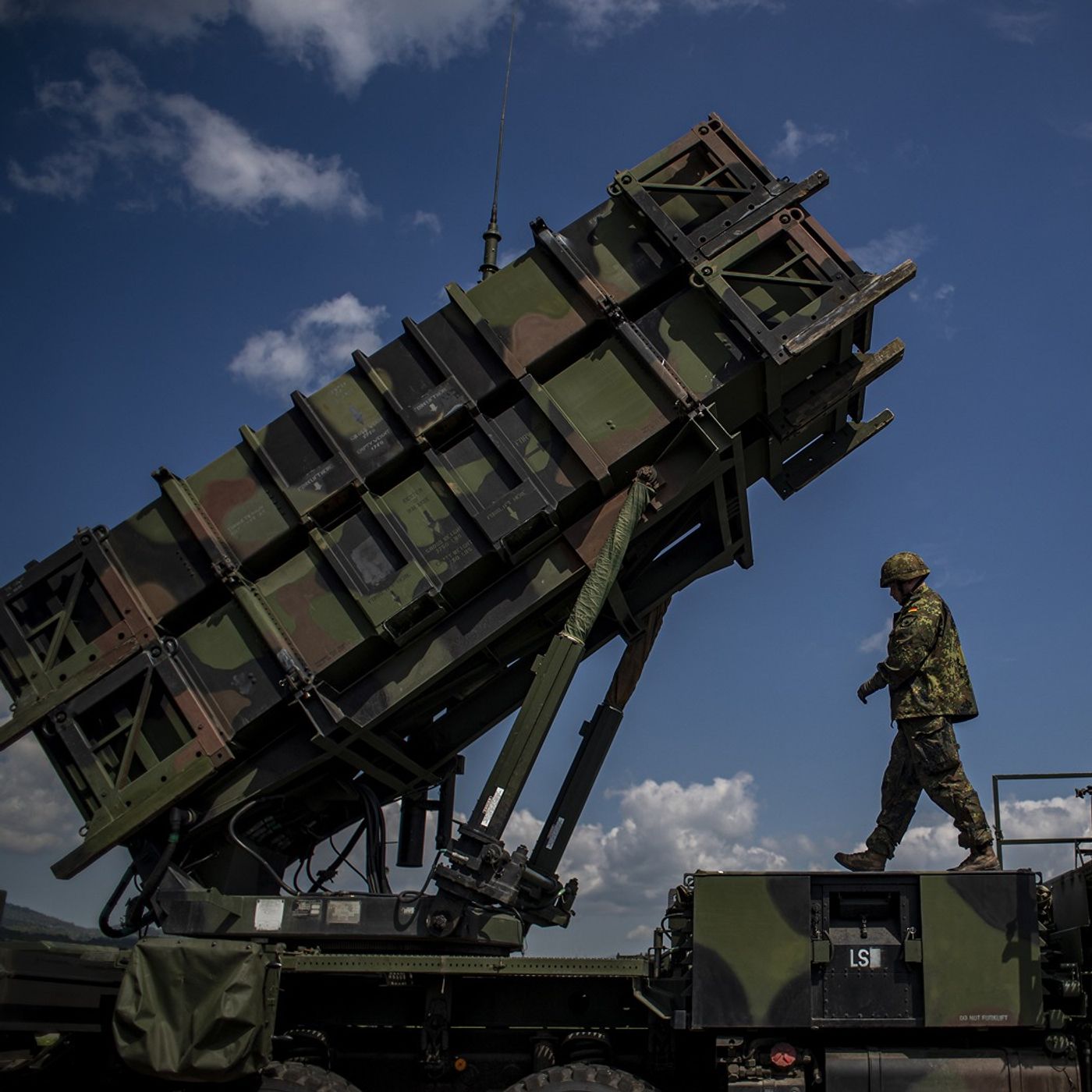
The U.S. Missile Stockpile Is Dangerously Low
Depleted interceptor stocks could limit the administration’s options in Iran while weakening U.S. readiness in Europe and Asia.
- 1Years of conflicts have drained Patriot interceptors faster than manufacturers can replace them.
- 2Iran’s mobile launchers and coordinated salvos force U.S. defenses to spend multiple interceptors per incoming missile.
- 3Rebuilding the arsenal will take years, creating risks for deterrence against China and Russia.
Don't miss
The Jordan attack, which killed three American soldiers and wounded more than 100 after a missile slipped through U.S. defenses, crystallizes the shortage’s human and strategic cost.
The brief
Eric P. Schmitt traces how the Iran war is consuming Patriot and other interceptors, leaving U.S. forces and regional partners more exposed.
Patriot and THAAD defenses often fire two or more interceptors at each incoming missile, making Iran’s coordinated, swerving salvos especially costly to defeat.
Support for Ukraine, the campaign against the Houthis, and the earlier Israel-Iran conflict drained supplies before the current war began; roughly 1,500 Patriot interceptors have since been used.
A missile that pierced U.S. defenses in Jordan killed three American soldiers and wounded more than 100, demonstrating the consequences of an imperfect shield.
With interceptors taking roughly two years to manufacture and production concentrated among few suppliers, replenishment cannot match the demands of several simultaneous conflicts.
The shortage constrains President Trump’s options in Iran and could invite China or Russia to test U.S. readiness in Taiwan or Eastern Europe.
Featuring
 Eric P. Schmitt
 Ukraine
 The Pentagon
Listen to the full episode and explore every guest, topic, and moment on PodLume.