
Sep 17, 2026 · 44 min
Meta pitches data centers as engines of rural renewal
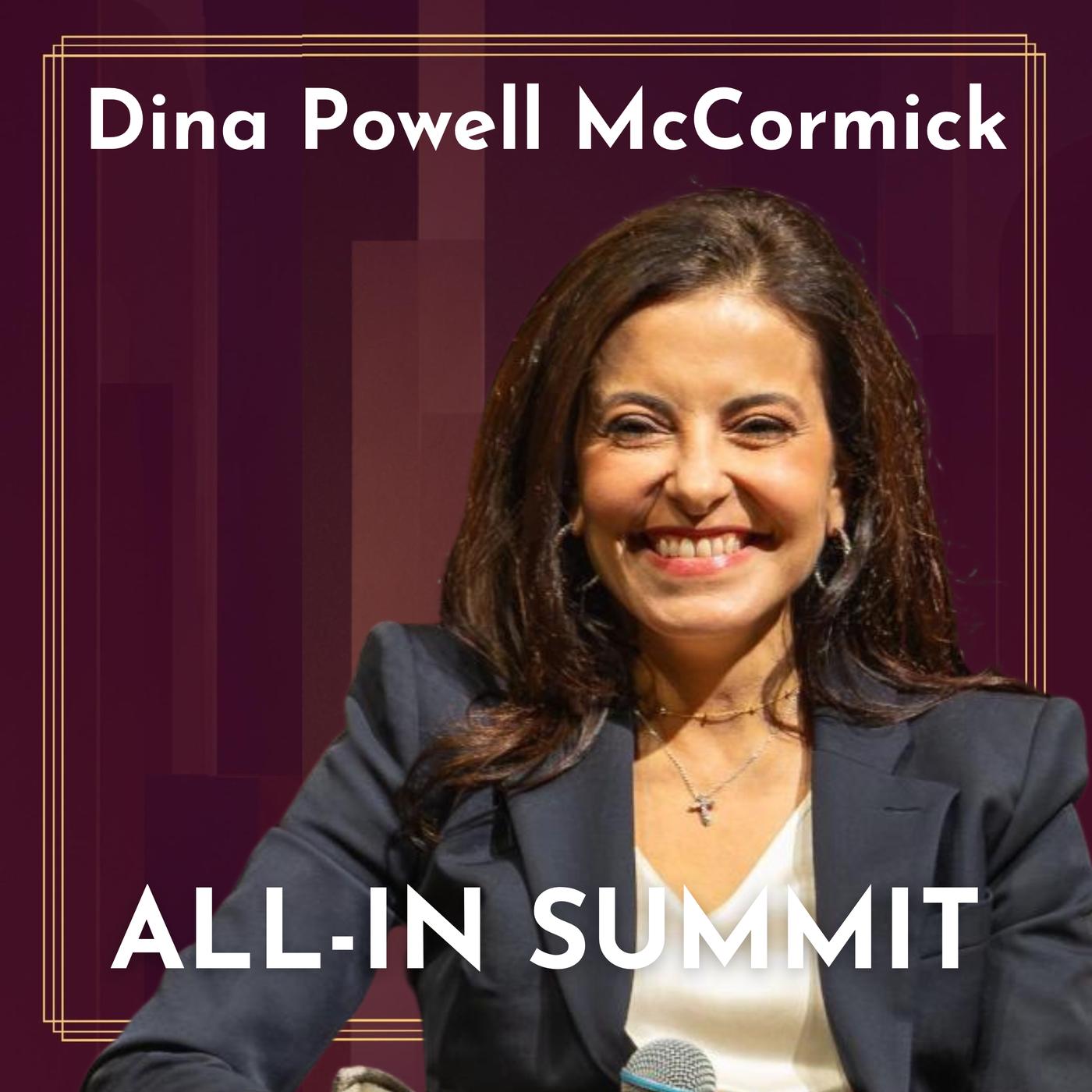
Meta's Dina Powell McCormick: The Case for Data Centers, Backlash, AI Job Boom & Meta's Future
The conversation tests whether Meta can pair rapid AI expansion with credible answers on community impact, youth safety, product design, and regulation.
- 1Meta argues data centers can revive rural economies through jobs, teacher incentives, infrastructure investment, and workforce training.
- 2The panel disputes how much responsibility platforms bear for addictive design while weighing parental controls against universal limits on teen use.
- 3Meta presents lightweight smart glasses as an accessible AI platform, even as the company faces pressure to balance innovation with safety.
Don't miss
Dina describes how blind veterans helped Meta develop glasses that can identify surroundings, read text, and perform actions.
The brief
Dina Powell McCormick joins the All-In hosts to make the case for Meta’s AI expansion, beginning with a Louisiana data center presented as a catalyst for jobs, teacher incentives, and renewed local confidence.
The pitch meets familiar objections: energy use, water, pollution, noise, electricity costs, and aesthetics. The discussion argues that community consent and clearer corporate commitments are essential to earning trust.
Meta’s workforce strategy extends beyond construction, including paid training for fiber-optic technicians and a broader effort to create technical careers that could draw young people back to rural communities.
The sharpest disagreement concerns social media design and youth safety: Jason challenges engagement-maximizing products, while Dina points to parental controls and agreements with state attorneys general.
Meta’s Ray-Ban glasses become the optimistic counterpoint, with accessibility work for blind veterans showing how AI can make a familiar wearable form useful in unexpected ways.
The conversation closes on the central tension: Meta wants to move quickly in AI while insisting safety matters, leaving regulation and corporate accountability unresolved.
What was said on this episode
25 statements · 23 positive · 2 neutral
AI technology will drive an unstoppable transformation in humanity.
“There is a transformation in humanity coming. Nothing can stop that now with this technology.”
Listen at 0:21
The next three years could determine the outcome of AI development.
“I think we all know that the next 3 years could be the whole game.”
Listen at 0:31
Meta’s Louisiana project is its largest data center investment.
“It's our largest data center investment for Meta”
Listen at 4:51
Meta’s Louisiana data center system uses less water than prior farming operations.
“they made a decision to use a more expensive but more efficient system that actually uses less water than was being used on that land when it was being farmed.”
Listen at 13:17
Meta’s Louisiana deal shifts generation, grid, upgrade, and storm costs away from consumers.
“Meta paid for its own generation. It paid for grid resilience. It paid for grid upgrades. It paid for storm costs.”
Listen at 13:59
Communities should decide whether Meta data centers are built locally.
“if a community doesn't want one of our data centers, they get to choose, they get to decide”
Listen at 14:58
AI-driven technology can increase water consumption efficiency.
“there's absolutely now new technology, in fact, AI-driven technology, that makes you able to actually increase water consumption.”
Listen at 15:23
Richland Parish may become Louisiana’s best school district.
“This may end up being the best school district in the entire state.”
Listen at 15:53
U.S. companies should continue building data centers domestically.
“we certainly don't want our companies, our— my company and our peers to start thinking about building data centers outside of the United States.”
Listen at 17:27
Meta guarantees graduates jobs at its data center sites.
“We at Meta guarantee you a job if you graduate on one of our data center sites”
Listen at 21:51
About 500,000 relevant infrastructure jobs will be open within several years.
“there are 500,000 open jobs for these roles over the next couple of years”
Listen at 22:04
Meta’s workforce program has a 90% retention rate.
“we have a 90% retention rate.”
Listen at 22:41
Training for Meta data centers transfers to Google and Microsoft sites.
“anybody that gets trained to work on a Meta data center site can certainly go to a Google site or a Microsoft site.”
Listen at 24:30
The workforce training model can be deployed broadly nationwide.
“once you have the curriculum and the certification and the partners to deliver it, you can do these everywhere.”
Listen at 24:52
Pittsburgh welders earn approximately $100,000–$120,000 annually.
“welders make $100,000, $120,000 a year in Pittsburgh.”
Listen at 25:52
Meta’s agreement limits under-18 platform use to two hours daily.
“children under 18, not 16, can only be on our platform for 2 hours a day.”
Listen at 29:13
Meta’s app shuts off after the daily limit and overnight.
“The app shuts off after that, and it completely shuts off at night.”
Listen at 29:19
Meta would add $5 billion and reduce usage to one hour if major peers join.
“we actually agreed to give an additional $5 billion and to go down to only 1 hour of use on our platform if YouTube, TikTok, and Snap join us.”
Listen at 29:57
Meta views its AI glasses as a promising product.
“we are so excited about this as a product.”
Listen at 36:06
Consumers prefer hands-free wearables over holding phones while moving around.
“people want to be part of the world. They actually don't want to be holding boxes walking around.”
Listen at 37:51
Meta glasses can identify visual information and read it aloud.
“the glasses can see for you and read, read to you.”
Listen at 39:28
Glasses are an affordable, widely adopted form factor for AI devices.
“glasses are a thing. People wear glasses, and it's something that many, many people— they're affordable.”
Listen at 40:11
AI safety should be treated as the highest priority.
“the starting point is that safety is paramount.”
Listen at 42:02
Democratizing artificial intelligence will produce a more stable society.
“the democratization of artificial intelligence will actually lead to a more stable society.”
Listen at 43:11
Meta launched the first American open-source AI model.
“we were extremely proud to have the very first American open source model just a few weeks ago.”
Listen at 43:27
Statements are attributed to the speaker as said on the episode and reflect their view at the time, not PodLume's. They are not advice.
 Dina Powell McCormick
 Chamath Palihapitiya
 Meta
Meta Richland Parish
 Meta smart glasses
 YouTube
 Mark Elliot Zuckerberg
Books & mentions

Listen to the full episode and explore every guest, topic, and moment on PodLume.