
Sep 22, 2026 · 13 min
Memory reconsolidation offers a route to stronger self-worth
The science of self-worth (and how to boost yours)
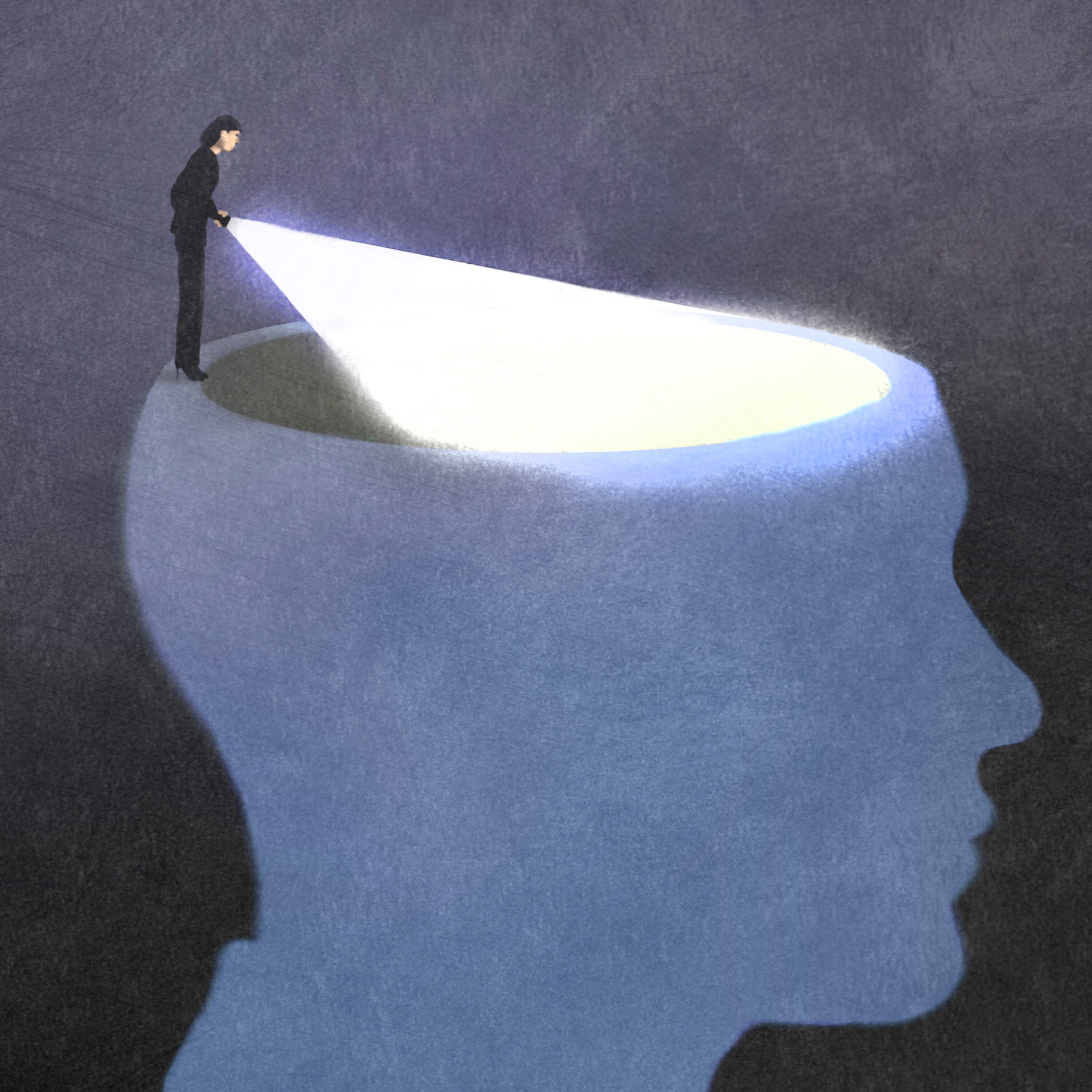
Low self-esteem can shape how people experience rejection, illness, love, and success, while memory reconsolidation may help revise the expectations behind those reactions.
- 1Low self-esteem can make experiences that conflict with a person’s self-image feel destabilizing and affect emotional and physical well-being.
- 2Rejection can activate older memories of harm, prompting the body to anticipate similar experiences in the present.
- 3Memory reconsolidation may help people update emotionally charged memories and become more able to internalize love, success, and connection.
Don't miss
Marisa G. Franco explains how offering reassurance to one’s younger self during memory reconsolidation can change present-day perceptions of relationships and reality.
The brief
Self-esteem fluctuates, but its effects can extend beyond mood. Marisa G. Franco discusses research linking low self-esteem with illness and doctor visits, even after positive events challenge a person’s self-image.
Rejection can do more than hurt in the moment: it can activate older memories that shape self-esteem and lead the body to anticipate similar experiences again.
Franco describes memories as the database of self-esteem, explaining how emotionally charged recollections can make present relationships feel threatening or difficult to trust.
The episode’s central idea is memory reconsolidation: when an emotionally active memory is revisited, reassurance can help update its meaning rather than simply replay the past.
Rebuilding self-worth can make positive experiences feel usable. Love, success, and connection become easier to internalize instead of seeming disconnected from one’s sense of self.
Featuring
 Marisa G. Franco
Mentioned
 Life Kit
Books & mentions
Listen to the full episode and explore every guest, topic, and moment on PodLume.