
Aug 31, 2026 · 18 min
Mars missions must pair human judgment with robotic reach
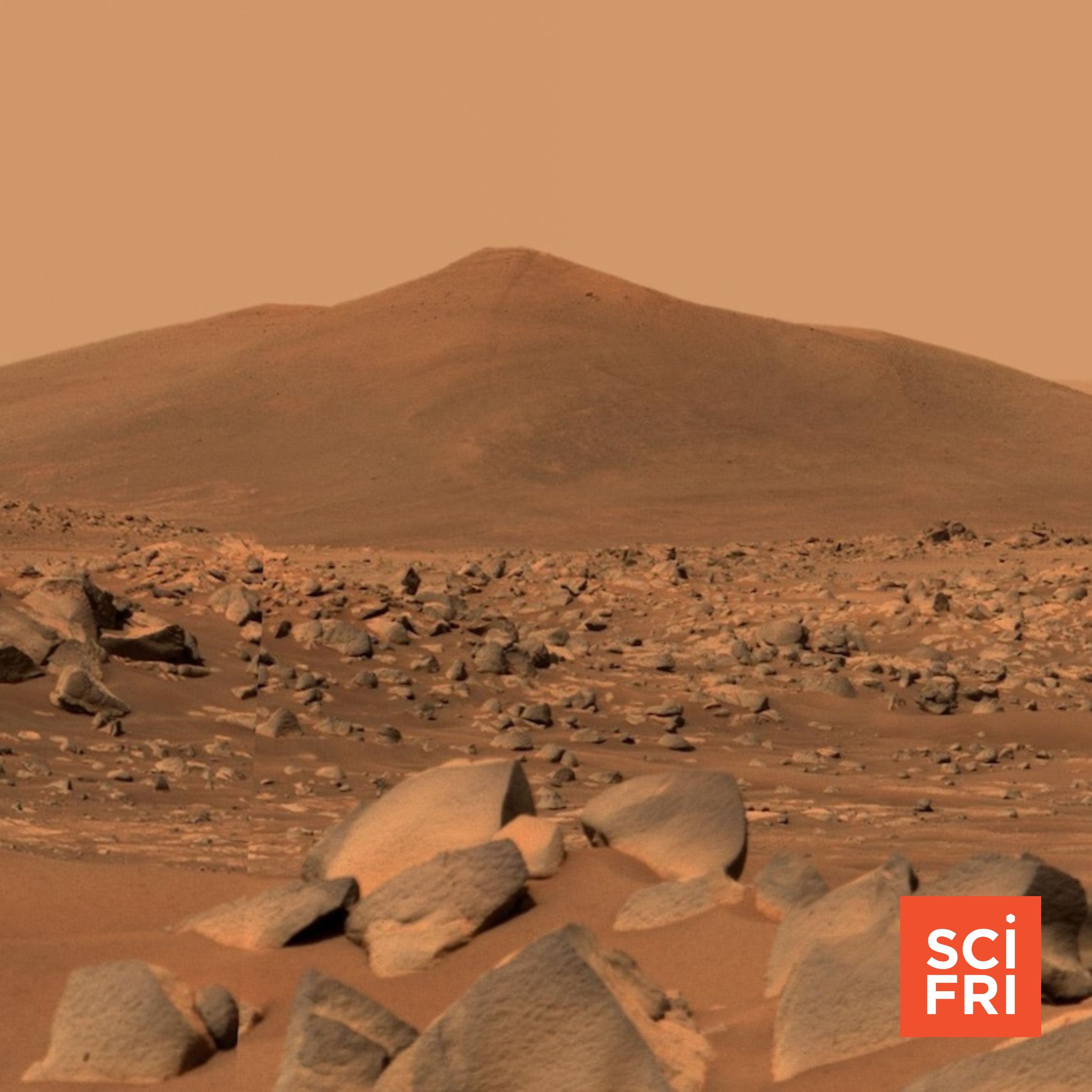
What should astronauts do first when they reach Mars?
The choices made before humans reach Mars will shape how efficiently they search for life and what science they can bring home.
- 1Future Mars missions should prioritize searching for life while dividing work between astronauts and robots.
- 2NASA’s Psyche mission could reveal how metal-rich planetary cores form and what they imply about habitability.
- 3Leading ambitious science requires flattening status hierarchies so expertise and concerns can surface early.
Don't miss
Elkins-Tanton explains why open communication and reduced status hierarchies mattered when the Psyche team faced a painful launch delay.
The brief
Planetary scientist Lindy Elkins-Tanton weighs the first priorities for humans on Mars: searching for life, defining mission length, and deciding where robots outperform astronauts.
The conversation turns to NASA’s Psyche mission, launched in 2023 for a 2029 arrival at a potentially metal-rich asteroid that may preserve clues to planetary cores and magnetic fields.
Elkins-Tanton describes how a proposal became a major NASA mission, making delayed gratification and the scale of scientific collaboration part of the story—not background details.
Her leadership lesson is practical: respect expertise, reduce status barriers, and make it safe to raise concerns, especially when a launch delay tests the team.
The episode ends with a broader claim about science: its purpose is to build increasingly accurate, durable understandings of the world, humanity, and the universe.
Featuring
 Lindy Elkins-Tanton
 Mars
Mars NASA
NASA Mission Ready
Books & mentions
Listen to the full episode and explore every guest, topic, and moment on PodLume.