
Aug 18, 2026 · 26 min
License-plate cameras turn local policing into movement surveillance
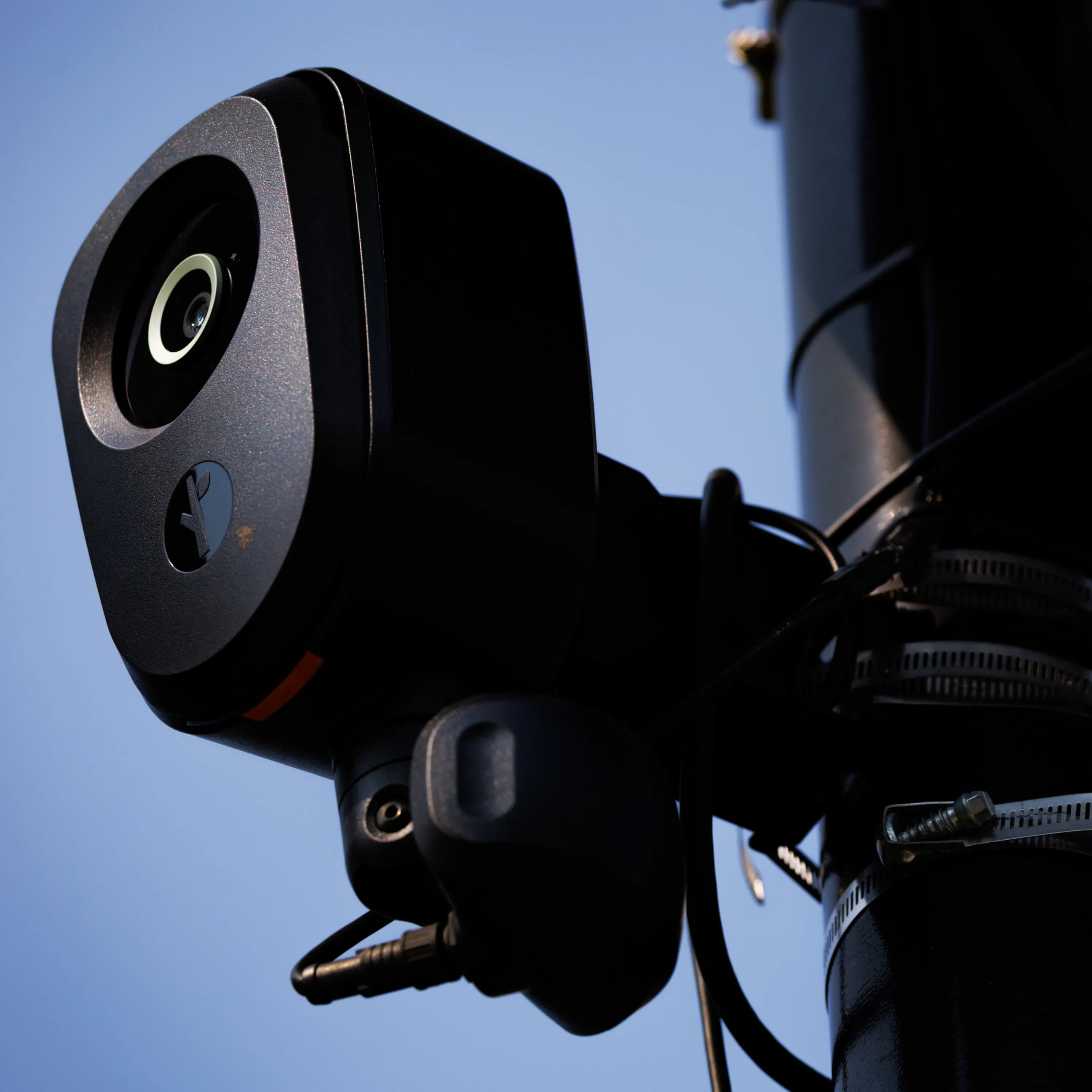
Flock cameras are watching you
Flock’s network can help investigate crimes, but its expanding use raises questions about privacy, oversight, and warrants.
- 1Flock cameras let police reconstruct vehicle movements across communities, far beyond identifying stolen cars.
- 2Reported abuses include officers stalking former partners and using the system in immigration and abortion-related investigations.
- 3Flock’s audits and shorter retention address access concerns, but critics say warrants remain the missing safeguard.
Don't miss
The episode connects Flock’s ordinary license-plate scans to immigration and abortion-related investigations, revealing the system’s mission creep.
The brief
Flock Safety markets AI-powered license-plate cameras as tools for solving crimes and finding stolen cars, but the network can also reconstruct detailed travel patterns across communities.
Drew Harwell explains how easily officers can search the system, while reported abuses—including stalking former partners—show what happens when access outpaces oversight.
Jason Koebler traces the system’s mission creep into immigration enforcement and abortion-related investigations, uses far removed from its original public-safety pitch.
The backlash is unusually broad: residents have attacked or redirected cameras, and dozens of communities have canceled contracts as distrust spreads.
Flock has answered with automated audits and shorter data retention, but civil-liberties groups argue that only meaningful warrant requirements address the central problem.
Featuring
 Drew Harwell
 Flock Safety
 Washington Post
Listen to the full episode and explore every guest, topic, and moment on PodLume.