
Aug 24, 2026 · 13 min
JWST’s little red dots may reveal black hole birth
What are the mysterious ‘little red dots’ in images of space?
Identifying these abundant early-universe objects could clarify how supermassive black holes formed, but astronomers still lack consensus on what they are.
- 1JWST revealed abundant little red dots that astronomers had not predicted before observing the early universe.
- 2One leading theory identifies them as black hole stars, combining a black hole with surrounding stars, gas, and dust.
- 3Competing models suggest either newly forming or already mature supermassive black holes, leaving their true nature unresolved.
Don't miss
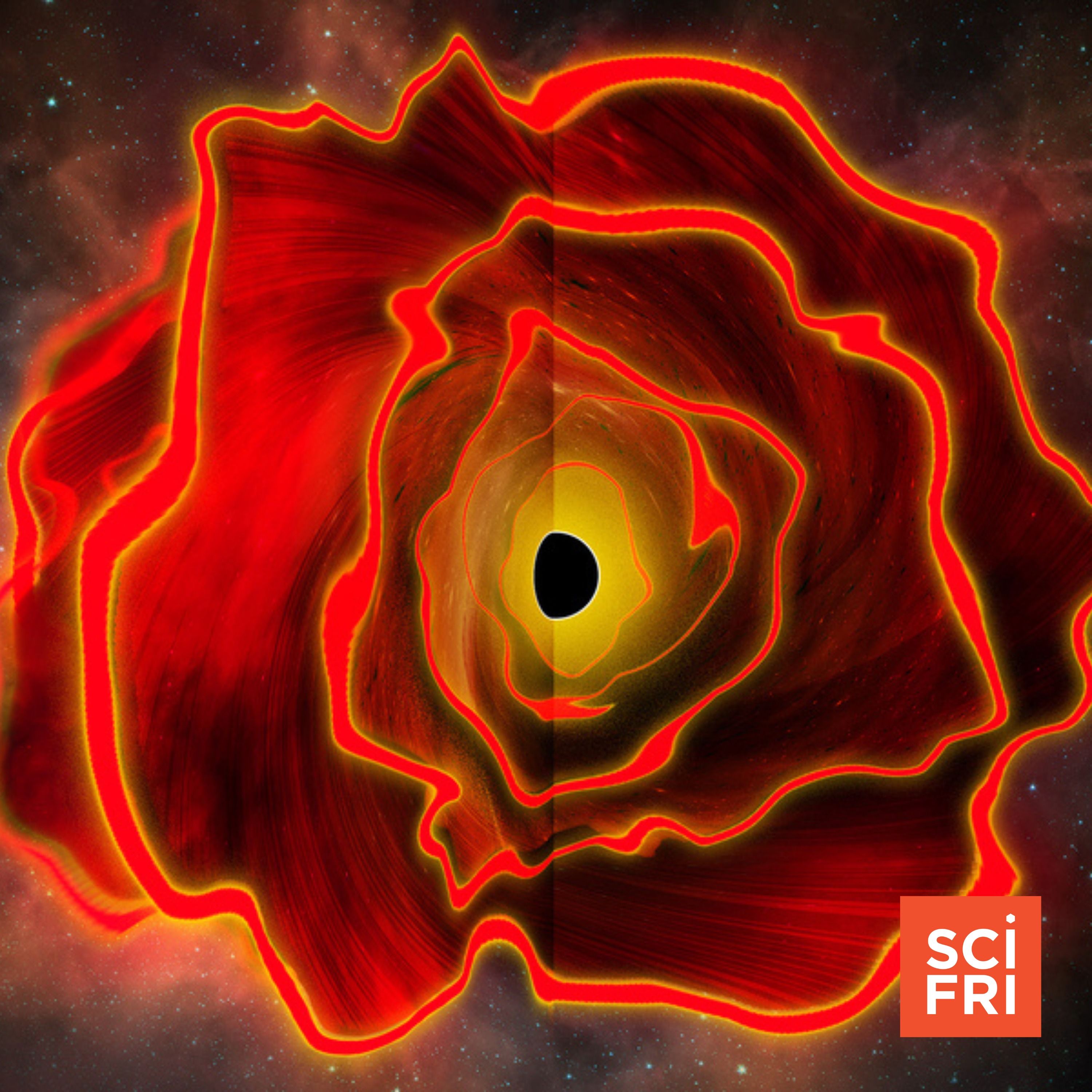
Rohan Nimisto presents the black hole star idea: a black hole surrounded by stars, gas, and dust that could mark supermassive black-hole birth.
The brief
James Webb Space Telescope images uncovered abundant little red dots in the early universe—objects astronomers did not predict and still cannot confidently identify.
Rohan Nimisto traces theories that moved from unusually massive galaxies to black-hole systems, while asking why the objects appear mainly in the young universe.
The leading proposal calls them black hole stars: black holes wrapped in stars, gas, and dust, potentially representing an early stage in supermassive black-hole formation.
A model suggests every little red dot could contain a central black hole star surrounded by ordinary material, like garam masala giving each galaxy its character.
The episode ends without consensus: some astronomers favor newly forming black holes, while others argue the objects may already contain mature supermassive black holes.
Featuring
 garam masala
Listen to the full episode and explore every guest, topic, and moment on PodLume.