
Sep 4, 2026 · 24 min
John Miles examines why success can still feel insignificant
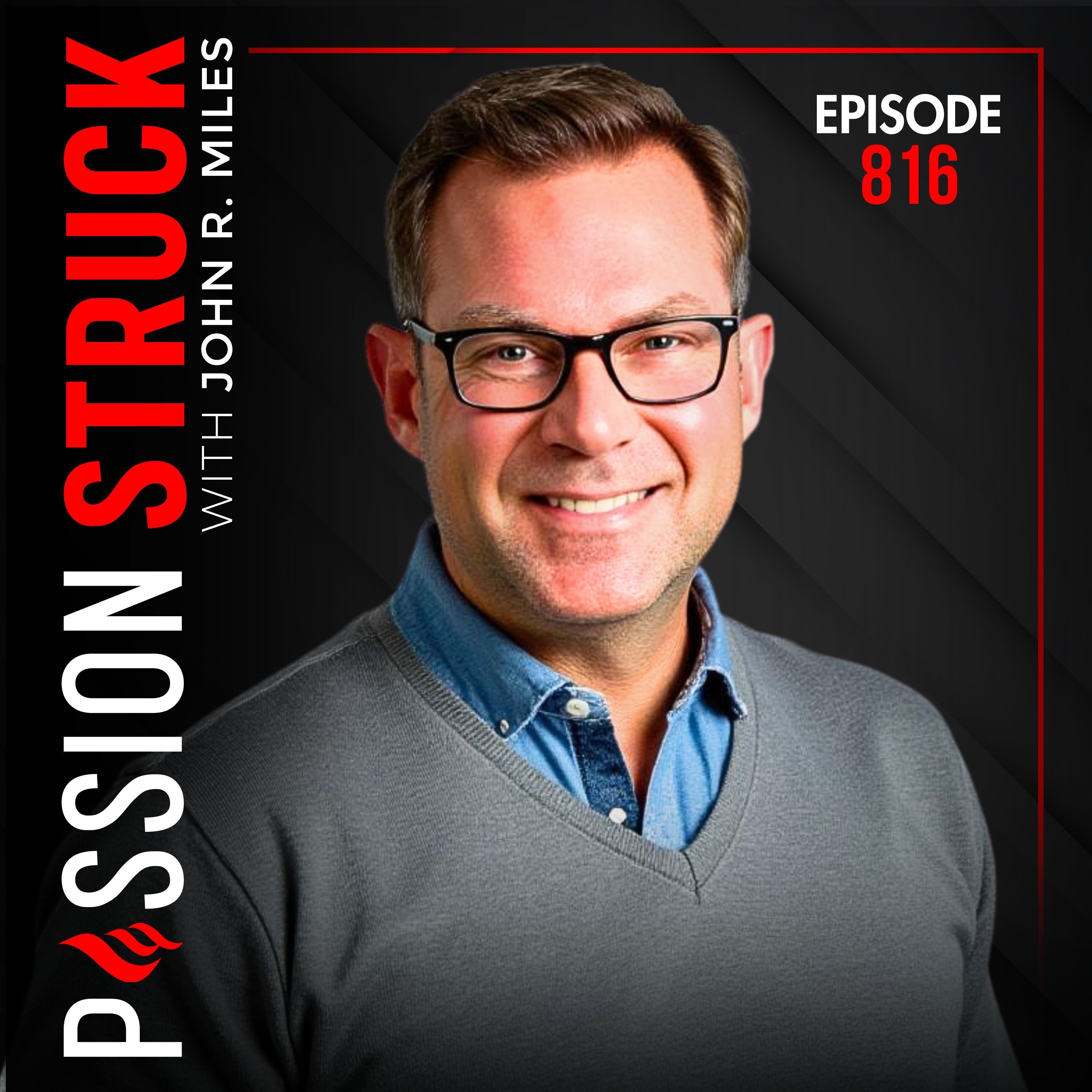
You Are Not the Only Variable: When to Change Yourself and When to Change Your Environment | John R. Miles - EP 816
The episode frames disconnection and helplessness as problems of meaning and agency, while asking whether change must begin within a person or in their environment.
- 1Outward visibility can coexist with an inward sense of being unseen, disconnected, or powerless.
- 2Purposeful action, mastery, and agency help people reclaim meaning, autonomy, trust, time, and energy.
- 3Reciprocal relationships and supportive environments shape whether individual action produces flourishing or helplessness.
Don't miss
The episode’s defining insight is that visible achievement can leave a person feeling invisible to themselves, making agency and meaning central rather than ornamental.
The brief
John R. Miles opens with The Mattering Effect: people may be recognized for what they produce yet feel unseen, disconnected, or powerless in their own lives.
The episode argues that reclaiming meaning requires more than changing personal habits; it involves restoring autonomy, trust, time, and energy through purposeful action.
Its central tension is whether people should change themselves or their environments, with mastery and agency presented as ways to turn action into influence rather than helplessness.
Reciprocity becomes the social dimension of the framework: human flourishing depends not only on individual effort, but also on relationships that return trust and significance.
The closing points toward The Mattering Effect and its companion workbook as extensions of the episode’s framework for creating a life of meaning and worth.
Featuring
Mentioned
 The Mattering Effect
 Situated: Find the People and Places That Bring Out Your Best
Books & mentions
Listen to the full episode and explore every guest, topic, and moment on PodLume.