
Sep 27, 2026 · 11 min
Iraq’s U.S. withdrawal tests Washington’s influence
U.S. troops are leaving Iraq. What does that mean for U.S. influence in the region?
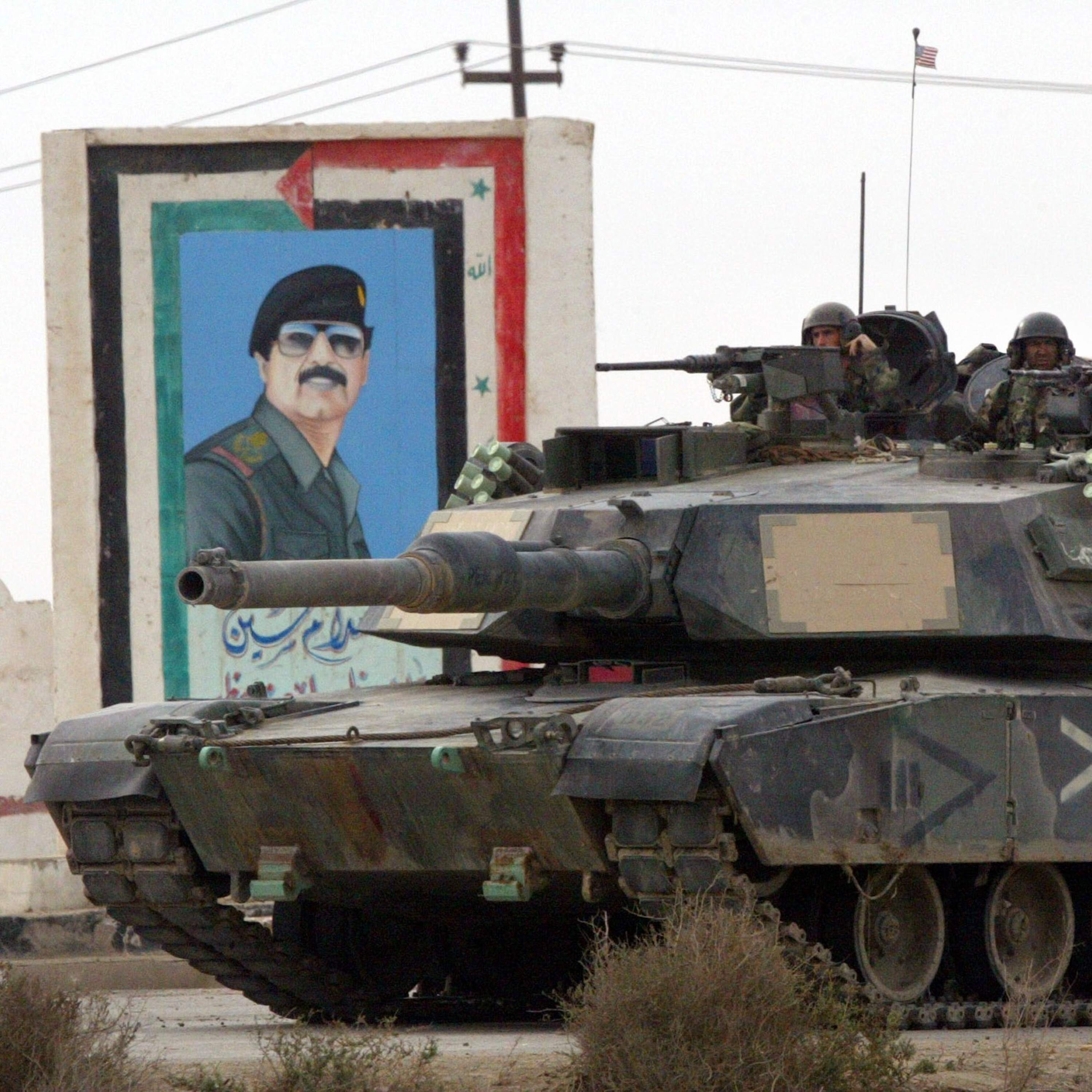
The departure ends a defining chapter of American intervention while leaving Iraq dependent on foreign support and exposed to pressure from Iran, Israel, and the United States.
- 1The final withdrawal closes more than two decades of U.S. military involvement but leaves a deep civilian and political legacy.
- 2Iraq’s forces are stronger than before yet still rely on foreign support for capabilities including air defense and intelligence.
- 3Baghdad’s struggle to control Iran-backed militias will determine whether the departure strengthens Iraqi sovereignty or deepens instability.
Don't miss
Jane Arraf captures the contradiction at the heart of the withdrawal: many Iraqis celebrate the end of U.S. forces even as militia power remains unresolved.
The brief
After more than two decades of war, the final U.S. troop withdrawal from Iraq is quieter than the 2011 departure—but its consequences may be just as consequential.
Jane Arraf explains why Iraq still matters to Washington: the country remains caught between the United States and Iran, even as American leaders seek influence from outside it.
Iraq’s military has improved since the anti-ISIS campaign, but dependence on foreign air defense and intelligence complicates claims of full security sovereignty.
The central test now falls to Baghdad: can the government bring powerful Iran-backed militias under state control while resisting pressure from Washington and hard-line factions?
The episode’s sharpest tension is that many Iraqis see the U.S. departure as a national victory, even as unresolved militia power leaves the country tied to wider regional conflict.
Arraf places the withdrawal in the long arc from invasion and insurgency to civil war and the fight against ISIS, emphasizing the civilian toll and political transformation left behind.
Featuring
 Jane Arraf
 Persia
 Middle East
 Saddam Hussein
 United States
Listen to the full episode and explore every guest, topic, and moment on PodLume.