
Aug 9, 2026 · 9 min
Iran’s armed network outlasts conventional pressure
How Iran's 'Axis of Resistance' reshaped war in the Middle East
The episode explains why a decentralized alliance spanning several countries is difficult to dismantle without widening the region’s wars.
- 1Iran’s allied groups operate as an interconnected ecosystem, not a simple chain of command.
- 2Training and accessible technology let armed groups build drones and missiles with greater autonomy.
- 3Distributed expertise and global supply chains help these groups regenerate after military strikes.
Don't miss
Peter Salisbury explains why decentralized groups can regenerate after strikes that would cripple a conventional hierarchy.
The brief
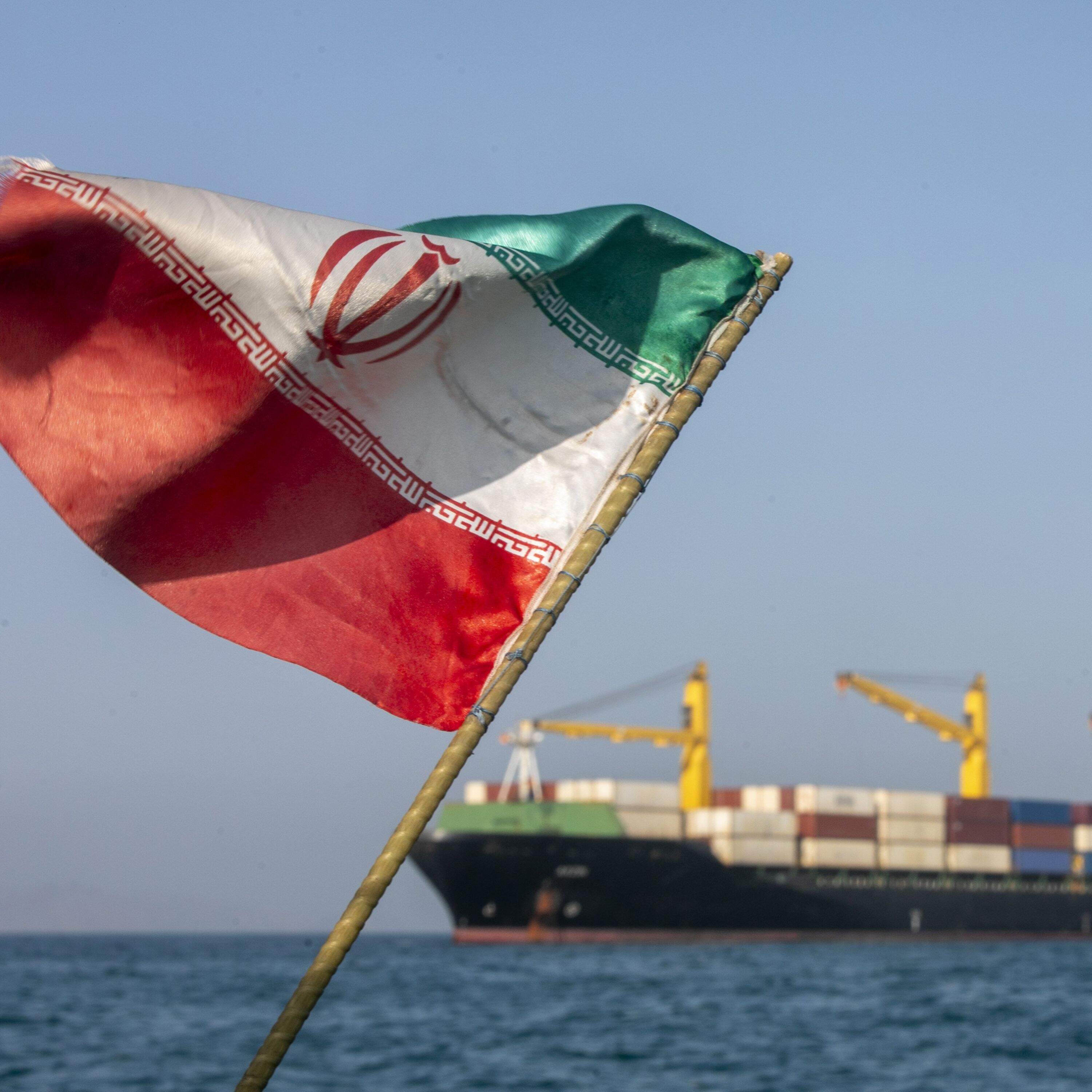
The episode opens with dangerous shipping routes and Iran’s demands over a key waterway, showing how attacks by allied groups keep regional conflict economically consequential.
Peter Salisbury describes the Axis of Resistance as an ecosystem spanning Lebanon, Yemen, Iraq, and elsewhere, with groups that cooperate while retaining autonomous capabilities.
Iran’s training system now covers everything from basic military instruction to drone and missile construction, while cheaper technology makes local production more feasible.
The network also draws on international supply chains involving traders and businesses in China, the Gulf, and elsewhere, reducing reliance on direct Iranian shipments.
Salisbury argues that killing leaders and destroying concentrated capabilities cannot easily defeat a network that distributes expertise, regenerates personnel, and is embedded in wider conflicts.
Featuring
 Houthis
 School of Advanced International Studies
Listen to the full episode and explore every guest, topic, and moment on PodLume.