Oct 6, 2026 · 25 min
Imports expose an economy powered by AI infrastructure
We're stocking up
The episode connects trade, chips, employment, health insurance, sovereign debt and soccer to the risks and opportunities of a changing economy.
- 1Data-center construction and AI demand are lifting imports while businesses remain cautious about inventories and infrastructure.
- 2Rising Black unemployment may signal broader labor-market weakness before it appears in headline economic measures.
- 3Employer-tied health insurance can keep workers in unwanted jobs, while soccer venues create community and business beyond competition.
Don't miss
Ejindu Ume’s explanation of why Black unemployment can provide an early warning about broader labor-market weakness.
The brief
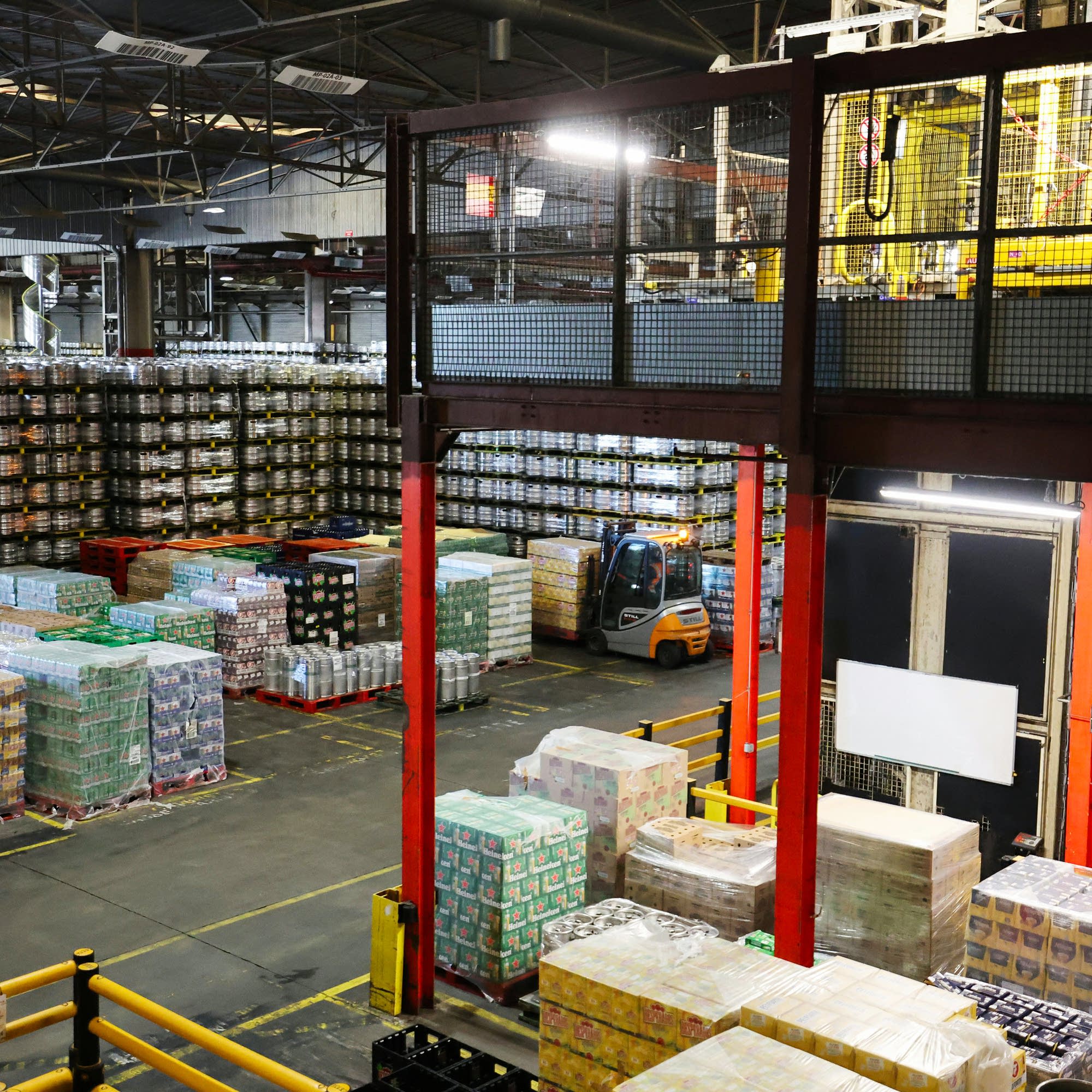
A widening August trade deficit reflects more than consumer demand: data-center construction is pulling in imports as companies balance infrastructure needs against cautious inventory planning.
Semiconductors sit beneath everyday technology, vehicles, the power grid and data centers; U.S. policy is rebuilding manufacturing, but chip designers still capture much of the value.
Economist Ejindu Ume explains why rising Black unemployment can act as an early labor-market warning, and how Federal Reserve rate decisions affect workers already facing greater risk.
Sarah Wallace’s Clocked Out story shows the personal cost of employer-linked health insurance: leaving a finance career at 50 meant navigating uncertainty before deciding what came next.
The episode closes its economic arc with France’s debt pressures and Wall Street bonuses, then turns to Jordan DeSalva’s Oakland soccer club as a model for community after professional sport.
Books & mentions
Some links are affiliate links — PodLume may earn a commission if you buy.